
How To Change Brakes On A Craftsman Lawn Mower?
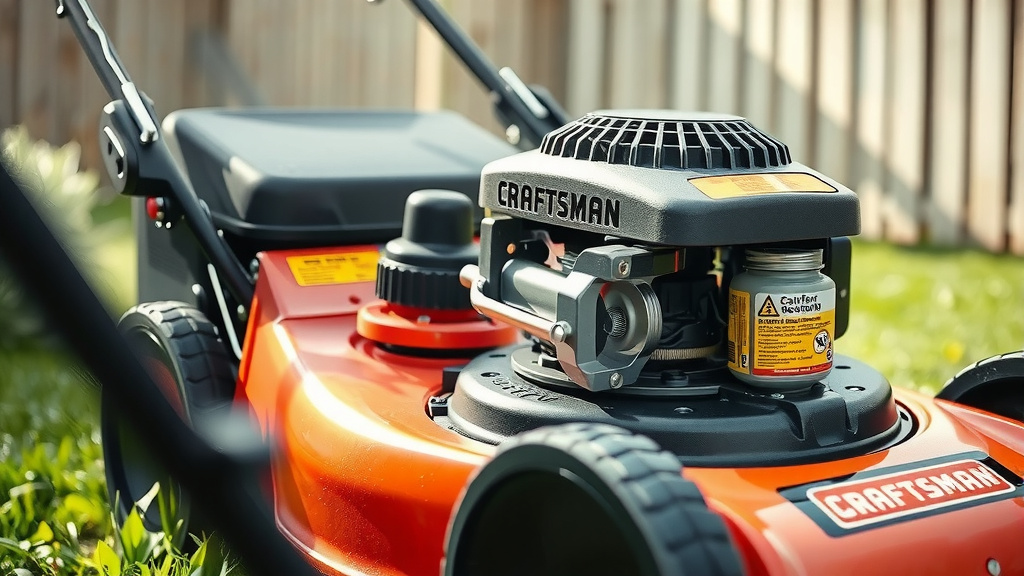
Changing the brakes on your Craftsman lawn mower involves safely disassembling the wheel or brake mechanism, replacing worn components like the brake band or pad, and then carefully reassembling and adjusting the system. It’s a hands-on task that can significantly improve your mower’s safety and performance.
You can change the brakes on a Craftsman lawn mower by first securing the mower, disconnecting the spark plug, and removing the wheel or engine shroud to access the brake assembly. Then, you’ll unhook the brake spring or cable, replace the worn brake band or pad, and adjust for proper engagement before retesting.
Here’s a quick rundown of what you’ll find in this guide:
- Discover why your mower’s brakes might be failing.
- Learn the essential safety steps before starting any work.
- Get a clear, step-by-step process for brake replacement.
- Understand how to maintain your brakes for lasting performance.
How To Change Brakes On A Craftsman Lawn Mower?
Changing the brakes on your Craftsman lawn mower requires some mechanical savvy and attention to detail. This guide will walk you through each step, ensuring you have a safe and effective stopping mechanism.
Why Do Craftsman Lawn Mower Brakes Fail?
Just like your car, lawn mower brakes wear out over time. Constant engagement and release cause friction, leading to material degradation. We found that heavy usage and improper storage can speed up this process.
Often, the brake band or pad simply wears thin. Sometimes, the brake cable itself stretches or frays, making it less effective. Even linkage issues can prevent proper brake engagement (Lawn Mower Manuals).
Symptoms of Failing Brakes
How do you know it’s time for new brakes? You might notice your mower doesn’t stop as quickly as it should. Perhaps you hear a grinding or squealing noise when you try to brake.
Another common sign is excessive play in the brake lever. If the lever feels loose or has to travel a long way before engaging, your brakes likely need attention. Don’t ignore these warnings; safe operation is key!
Safety First: Before You Start
Before you even think about grabbing a wrench, let’s talk safety. This isn’t just a suggestion; it’s a critical step. Ignoring safety can lead to serious injury, and nobody wants that.
Always work in a well-lit area on a flat, stable surface. Think of it like a surgeon preparing for an operation – preparation is everything. Many experts recommend having a fire extinguisher nearby, just in case (OSHA guidelines).
Essential Safety Checklist:
- Disconnect the spark plug wire to prevent accidental starts.
- Wear heavy-duty work gloves to protect your hands.
- Use safety glasses to shield your eyes from debris.
- Ensure the mower is cool; never work on a hot engine.
- Chock the wheels if working on a riding mower, preventing movement.
Tools and Parts You’ll Need
Having the right tools makes the job much smoother. Imagine trying to open a can with a spoon – it’s just frustrating! Here’s what you should gather before you begin:
- New Craftsman replacement brake band or pad (check your mower model).
- Socket wrench set and open-end wrenches.
- Pliers (needle-nose and standard).
- Screwdrivers (flathead and Phillips).
- Wire brush or scraper for cleaning.
- Penetrating oil (like WD-40) for stubborn bolts.
- Shop rags for cleanup.
Understanding Your Craftsman Mower’s Brake System
Most Craftsman walk-behind mowers use a simple brake system. It often involves a brake cable connected to a lever on the handle.
When you release the lever, a spring pulls the brake band or pad against the engine flywheel. This friction stops the blade and, sometimes, the drive system. Riding mowers have a different setup, often drum or disc brakes, but the principle of friction remains.
Step-by-Step: Changing Your Lawn Mower Brake
Alright, let’s get down to business. This process might vary slightly depending on your specific Craftsman model, but the core steps remain consistent. Think of it as a recipe – follow the instructions for the best results.
Prepare the Mower for Work
First, ensure the spark plug is disconnected and the fuel cap is tight. If you’re working on a walk-behind mower, tilt it on its side with the air filter facing up to prevent oil and fuel leaks. For riding mowers, set the parking brake and chock the wheels.
Locate the Brake Assembly
For walk-behind mowers, the brake assembly is usually found near the engine’s flywheel, often under a shroud. You might need to remove a few bolts to get to it. Riding mowers have brakes on the transaxle or sometimes individual wheels.
Removing the Engine Shroud (If Applicable)
Carefully unscrew any bolts or fasteners holding the engine shroud in place. Gently lift it off, being mindful of any wires or hoses. This exposes the flywheel and brake mechanism.
Disengage the Old Brake Components
Once you locate the brake band or pad, you’ll see it’s held by a spring or linkage. Use your pliers to unhook the spring, releasing tension. If there’s a brake cable, you’ll likely need to unclip it from its mounting point.
Inspecting the Linkage
While you’re here, take a moment to inspect the entire linkage system. Are there any other worn parts? Many experts suggest replacing worn springs or pins at the same time (Small Engine Repair Guide).
Remove the Worn Brake Pad or Band
Carefully slide the old brake band or pad off its mounting posts. Sometimes, it might be a bit stiff from rust or grime. A little penetrating oil can help loosen things up if needed. Clean the area thoroughly with your wire brush.
Install the New Brake Components
Now, take your new Craftsman brake band or pad. Position it exactly how the old one was removed. Make sure it seats correctly on the mounting posts. Reattach the spring or linkage, ensuring it’s secure and has proper tension.
Adjust the Brake Cable (If Needed)
Some mowers have an adjustable brake cable. You’ll typically find an adjustment nut or barrel near the lever or where the cable attaches to the brake assembly. Adjust it so the brake engages firmly but doesn’t drag when released.
Test the Brakes
Before you fire up the engine, give the brake lever a few squeezes. Does it feel firm? Does it snap back properly? Reattach the spark plug wire. Start the mower (in a safe, clear area) and test the brake. It should stop the engine and blade quickly and completely.
| Brake Issue | Likely Cause | Potential Solution |
|---|---|---|
| Mower won’t stop | Worn brake band/pad or stretched cable | Replace brake components; adjust cable |
| Brake lever feels loose | Cable stretch or linkage wear | Adjust cable; inspect/replace linkage |
| Grinding noise when braking | Metal-on-metal contact from worn components | Replace worn brake parts immediately |
| Brake drags when released | Cable too tight or sticky linkage | Loosen cable adjustment; clean/lubricate linkage |
When to Consider Professional Help
Sometimes, a repair might feel a bit over your head. If you encounter unexpected complications or if your Craftsman mower has a more complex brake system, don’t hesitate. A professional technician can diagnose and fix issues safely.
It’s always better to seek expert help than to risk damage to your mower or, worse, yourself. Your safety is paramount, and a qualified mechanic has the tools and experience.
Maintaining Your Mower Brakes for Longevity
Once you’ve changed your brakes, a little maintenance goes a long way. Regularly check your brake cable for frays or kinks. Keep the brake assembly clean from grass clippings and debris.
A quick visual inspection before each mowing season can catch small issues before they become big problems. We found that preventative checks save time and money in the long run.
Conclusion
Changing the brakes on your Craftsman lawn mower is a manageable task, especially when you approach it with the right tools and a clear plan. Remember, safety always comes first, so disconnect that spark plug!
By following these steps, you’ll ensure your mower stops reliably, keeping you safe and productive in your yard. Don’t let worn brakes slow you down – take action and enjoy a safer mowing experience.
How often should I check my Craftsman lawn mower’s brakes?
You should visually inspect your Craftsman lawn mower’s brakes at the beginning of each mowing season or every 25 hours of operation. If you notice any issues, check them immediately.
Can a stretched brake cable be repaired instead of replaced?
While minor adjustments can compensate for slight cable stretch, a significantly stretched or frayed brake cable should always be replaced. Repairing it isn’t usually a reliable or safe long-term solution.
Are Craftsman riding mower brakes harder to change than walk-behind mower brakes?
Generally, yes. Craftsman riding mowers often have more complex brake systems, like disc or drum brakes, which can be more involved to access and replace. Walk-behind mowers typically have simpler band-style brakes.
What if my new brakes still feel soft after adjustment?
If your new brakes still feel soft after adjusting the cable, it could indicate lingering air in a hydraulic system (for some riding mowers), or issues with other linkage components that need inspection or replacement. Re-check all connections and tension settings.
Is it normal for new lawn mower brakes to make noise?
A slight break-in period with some minor noise might occur as new brake components seat properly. However, persistent grinding or loud squealing suggests an issue with installation, alignment, or potentially faulty parts. If it doesn’t resolve after a short use, re-inspect your work.
