
How To Maintain Lawn Mower?
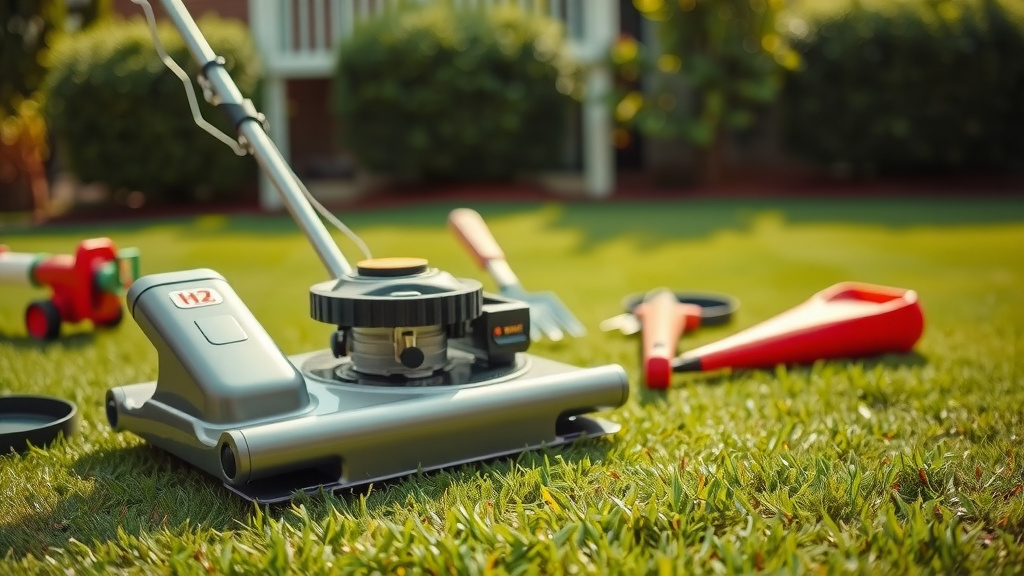
To maintain a lawn mower, regularly check and change the oil, clean or replace the air filter, sharpen the blade, and inspect the spark plug.
Consistent lawn mower maintenance helps extend your machine’s lifespan, ensures efficient cutting, and keeps your lawn looking its absolute best.
- Regular maintenance for your lawn mower saves you money and time in the long run.
- Key maintenance tasks include routine checks of oil, air filter, and spark plug.
- A sharp blade is essential for a clean, healthy lawn and better mower performance.
- Proper winterization protects your mower during off-seasons.
- Always refer to your mower’s owner’s manual for model-specific instructions and advice.
How To Maintain Lawn Mower?
Regular maintenance for your lawn mower involves simple steps like checking the oil, cleaning the air filter, and sharpening the blade. Following these steps helps keep your machine running smoothly season after season.
Why Does Mower Maintenance Matter?
Think of your lawn mower like your car. It needs regular care to perform well. Ignoring it can lead to frustrating breakdowns and expensive repairs. A well-maintained mower provides a cleaner cut, saving you effort and keeping your lawn healthy.
Many experts say that consistent maintenance directly impacts your mower’s lifespan. We found that machines cared for regularly often last years longer than neglected ones. It’s about saving money and avoiding headaches.
Getting Started: Your Essential Toolkit
Before you begin, gather a few basic tools. You’ll likely need a wrench set, a spark plug wrench, and possibly a blade sharpening kit or file. Having these ready makes the job much smoother. Safety gear like gloves and eye protection are also a smart idea.
Pre-Season Checks: Waking Up Your Mower
Spring is the perfect time to give your mower some attention before the grass really starts growing. These checks ensure it’s ready for a busy cutting season. It’s like a quick health check before a marathon.
Checking the Oil Level
Just like your car, your mower needs the right amount of clean oil. Low oil can cause serious engine damage. We found that checking the oil before each use, or at least before the first cut of the season, prevents many issues.
To check the oil, make sure your mower is on a level surface and the engine is cool. Remove the dipstick, wipe it clean, reinsert it (without screwing it in on some models), then pull it out again to read the level. If it’s low, add the recommended type of oil (consult your manual).
Replacing the Air Filter
A dirty air filter chokes your engine. It restricts airflow, leading to reduced power and increased fuel consumption. Many experts say a clean air filter is key for engine efficiency (Briggs & Stratton).
Most air filters are easy to access. Simply open the filter cover, remove the old filter, and insert a new one. Some foam filters can be washed and reused, but paper filters typically need replacing. Does your engine sound like it’s struggling? A dirty filter could be the culprit.
Inspecting the Spark Plug
Your spark plug is vital for starting the engine. Over time, it can foul or wear out, leading to starting problems or misfires. It’s a small part, but it does a big job.
Use a spark plug wrench to remove it. Look for signs of wear, like a dark, sooty buildup or a burnt electrode. If it looks rough, replace it with a new one of the correct type. Research often connects poor engine performance to a faulty spark plug (Consumer Reports).
Mid-Season Care: Keeping It Running Smooth
Once your mower is in full swing, don’t forget ongoing maintenance. These tasks keep it performing at its best throughout the busiest months. Regular, small efforts go a long way.
Sharpening or Replacing the Blade
A dull blade tears grass instead of cutting it cleanly. This can leave your lawn looking ragged and make it more susceptible to disease. We found that a sharp blade makes a huge difference in the health and appearance of your turf.
You should inspect your blade monthly, or every 25 hours of use. If you see nicks, dents, or a rounded edge, it’s time to sharpen or replace it. This is also a good time to ensure the blade is balanced; an unbalanced blade can cause vibrations and engine strain.
Here’s a quick checklist for blade maintenance:
- Disconnect the spark plug wire for safety.
- Securely prop your mower so you can access the underside.
- Remove the blade with a wrench, wearing gloves.
- Sharpen the cutting edges using a file or grinder.
- Check blade balance before reinstallation.
- Reinstall the blade tightly and reconnect the spark plug.
Cleaning Under the Deck
Grass clippings can accumulate under the mower deck, leading to rust and reduced cutting performance. This buildup can also clog the discharge chute. Think of it as sticky mud that hinders smooth operation.
After each use, or at least every few cuts, scrape off any caked-on grass from the underside of the deck. This helps prevent rust and ensures the blades spin freely. You might be surprised how much difference a clean deck makes.
Washing Your Mower Safely
While cleaning the deck, you might want to wash the entire mower. Be careful not to spray water directly into the engine or electrical components. A garden hose with a gentle spray works well for external cleaning. Let it air dry thoroughly.
End-of-Season Prep: Winterizing Your Lawn Mower
When the mowing season ends, proper storage is crucial. Winterization prevents damage from sitting idle and ensures your mower starts up easily next spring. It’s like putting your mower to sleep for a long nap.
Stabilizing the Fuel
Old gasoline can break down and cause clogs in your carburetor, leading to starting problems next season. Adding a fuel stabilizer prevents this issue. Many experts recommend adding stabilizer to the fuel tank and running the engine for a few minutes to circulate it (Small Engine Repair Magazine).
Draining or Running Out Fuel
Another option is to simply run the engine until it’s out of fuel. This ensures no old gasoline is left to gum up the system. Some people say this is simpler than using a stabilizer. Others prefer the stabilizer method to keep seals moist. Both methods aim to prevent stale fuel issues.
Changing the Oil
Changing the oil before winter storage helps remove any contaminants that could corrode engine parts over time. You’ll start the next season with fresh, clean oil, which is always a good thing. Many guidelines point to fresh oil as a good first step for long-term storage (Kohler Engines).
Battery Care for Electric Mowers
Electric mowers have different winterization needs. For battery-powered models, charge the battery fully and store it in a cool, dry place. Avoid storing it in freezing temperatures, which can damage the battery. Corded electric mowers just need to be cleaned and stored in a dry spot.
Here’s a quick comparison of storage needs:
| Maintenance Task | Gas Mower | Electric Mower |
|---|---|---|
| Fuel Management | Stabilize or drain tank | Not applicable |
| Battery Care | Disconnect battery (if applicable) | Charge, remove, and store indoors |
| Spark Plug Check | Inspect and replace if needed | Not applicable |
| Air Filter | Clean or replace | Check cooling vents for dust |
Troubleshooting Common Issues
Even with great maintenance, issues can pop up. Knowing how to diagnose basic problems can save you a service call. It’s empowering to fix things yourself!
Why Won’t My Mower Start?
This is a common frustration. Usually, it comes down to one of three things: fuel, spark, or air. Check if you have fresh gas. Is the spark plug clean and sparking? Is the air filter clogged? We found that these three areas cover most starting issues. Don’t forget to check the spark plug wire connection too.
Mower Leaves Uneven Cuts
If your lawn looks choppy, first check your blade. Is it dull, bent, or damaged? Next, inspect your mower deck. Is it level? Are all the wheels set to the same height? Sometimes, a simple adjustment can solve the problem. Research often connects uneven cuts with a dull blade or incorrect deck height (Oregon State University).
Conclusion
Maintaining your lawn mower doesn’t have to be complicated or scary. By following these simple, regular steps – from checking the oil to sharpening the blade and preparing for winter – you ensure your machine stays reliable and effective. You’ll enjoy a healthier, better-looking lawn, and your mower will thank you with years of faithful service. Isn’t that a great feeling?
How often should I change my lawn mower’s oil?
Many experts recommend changing your lawn mower’s oil at least once a season, or every 25-50 hours of use, whichever comes first. For brand new mowers, an initial oil change after the first 5 hours of use is often suggested to remove manufacturing debris.
Can I sharpen my lawn mower blade myself?
Absolutely, you can sharpen your lawn mower blade yourself with the right tools, like a metal file or grinder. Just be sure to wear safety gloves and eye protection. It’s crucial to balance the blade afterward to prevent vibrations and damage to your mower’s engine. If you’re unsure, a local hardware store or small engine repair shop can sharpen it for you.
What kind of fuel should I use in my gas lawn mower?
Most gas lawn mowers run on unleaded gasoline with an octane rating of 87 or higher. It’s important to use fresh fuel, ideally less than 30 days old. Avoid using E85 or any fuel with more than 10% ethanol, as high ethanol content can damage small engines over time. Always check your owner’s manual for specific fuel recommendations.
How do I store my lawn mower for the winter?
To store your gas lawn mower for winter, either drain the fuel completely or add a fuel stabilizer to a full tank and run the engine for a few minutes. Clean the mower thoroughly, change the oil, remove the spark plug (and add a small amount of oil into the cylinder before reinstalling), and disconnect the battery if it has one. Store it in a dry, protected area. For electric mowers, clean them, fully charge the battery, and store the battery indoors.
My lawn mower is smoking; what should I do?
If your lawn mower is smoking, stop it immediately. Blue smoke usually indicates burning oil, often from overfilling the oil reservoir, tilting the mower improperly, or worn engine parts. White smoke often points to a burning carburetor or exhaust system. Check the oil level and ensure the mower wasn’t tilted on its side during cleaning. If the problem persists, it’s best to consult a professional for diagnosis.
