
How To Maintain Lawn Without Mowing?
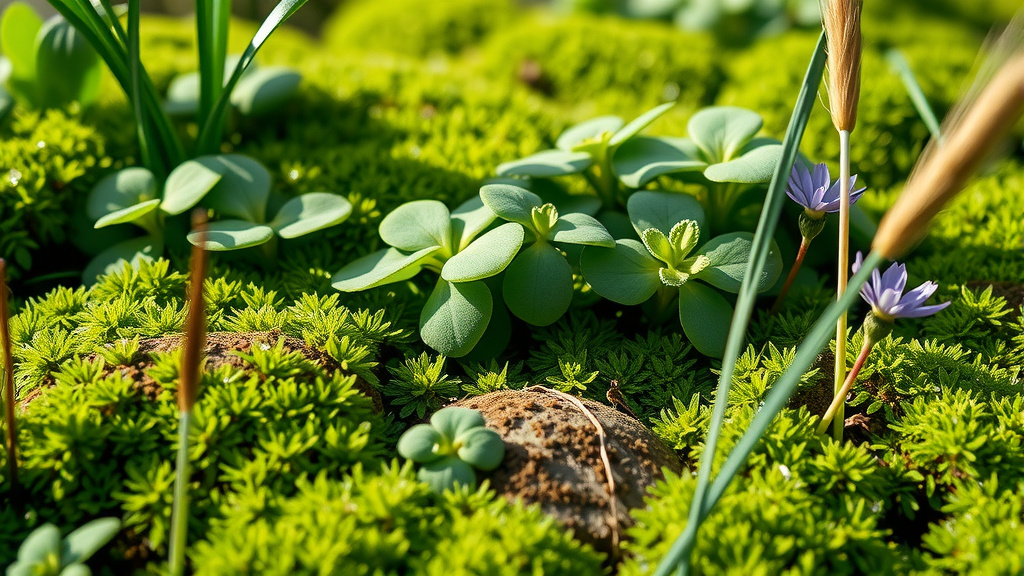
Yes, you absolutely can maintain a lawn without mowing. The secret lies in choosing the right grass types, implementing effective landscaping techniques, and embracing alternative ground covers that require minimal intervention.
To maintain a lawn without mowing, consider planting slow-growing grass varieties, using native plants, or converting areas to low-maintenance ground covers like clover, creeping thyme, or sedges. Strategic hardscaping and mulching also significantly reduce turf areas needing upkeep.
Here’s a quick overview of how you can achieve a beautiful, low-maintenance yard without the constant hum of a lawn mower:
- Swap traditional turf for slow-growing grasses.
- Introduce diverse, native plant beds.
- Use ground covers like clover or sedges.
- Embrace mulching for weed control and moisture retention.
- Integrate hardscaping to reduce grassy areas.
How To Maintain Lawn Without Mowing?
Maintaining your lawn without mowing is completely achievable. It involves a shift in mindset, moving from a manicured turf focus to a more natural, sustainable landscape design. Many experts suggest this approach for both environmental benefits and reduced labor (University of California Agriculture and Natural Resources).
Embrace Slow-Growing Grasses
Not all grass needs weekly haircuts. Some varieties are naturally low-growers. Switching to these can drastically cut down your mowing schedule. We found that fine fescues are a popular choice for this.
Fine Fescues: Your Low-Mow Friend
Fine fescues, like creeping red fescue or sheep fescue, grow much slower than typical turf grasses. They also tolerate shade and drought well. You might only need to mow them once or twice a year, if at all, just for tidiness.
Picture a beautiful meadow in your yard, not a golf course. These grasses create that soft, natural look. They require less water too, which is a bonus for your wallet and the environment.
Introducing Ground Covers
Ground covers are fantastic alternatives to traditional grass. They spread across the ground, suppressing weeds and creating a lush carpet. Many offer beautiful flowers or interesting textures, too. We found this strategy significantly reduces maintenance needs.
Clover: The Old-School Solution
White clover is making a comeback, and for good reason. It stays naturally short, rarely needs mowing, and even fertilizes your soil. It’s also incredibly resilient and attracts beneficial pollinators like bees.
You remember clover, right? It used to be in every lawn before the push for pure grass. Many garden centers now offer clover seeds. It’s a simple swap that makes a big difference.
Creeping Thyme and Sedum
For sunny, dry spots, creeping thyme or sedum are excellent choices. They form dense mats that choke out weeds. Plus, creeping thyme gives off a lovely fragrance when you walk on it. Sedum offers varied textures and can handle tough conditions.
Imagine the smell of thyme drifting through your yard! These plants are tough, beautiful, and barely ask for anything in return. They are perfect for areas where traditional grass struggles.
Sedges: Grass-Like, But Better
Sedges look very much like grass but often require less water and no mowing. Varieties like Pennsylvania sedge or ‘Evergold’ sedge offer a softer, flowing look. They are fantastic for shaded areas where grass struggles.
They bring a natural, somewhat wild elegance to your landscape. Think of them as a relaxed cousin to the high-strung lawn grass. Many experts recommend sedges for their adaptability (National Gardening Association).
Strategic Landscaping and Hardscaping
Reducing the amount of grass in your yard is a direct way to reduce mowing. How about adding a patio? Or a rock garden? These hardscape elements remove grassy areas. Consider where you actually use your lawn.
Add Mulch Beds and Pathways
Mulch is a gardener’s best friend. A thick layer of mulch around trees, shrubs, and garden beds suppresses weeds. It also helps retain soil moisture, meaning less watering. Consider natural wood chips or attractive river rock for paths.
Creating defined mulch beds instantly makes your yard look tidier. It’s like putting a frame around a beautiful picture. Plus, those wood chips will break down over time, enriching your soil.
Raised Garden Beds
Raised garden beds are another excellent way to replace turf. You can grow vegetables, herbs, or flowers. They add vertical interest and keep your plants contained. They’re also easier on your back for planting and harvesting.
Think of them as contained ecosystems. No grass, no mowing, just productive and beautiful planting areas. We found that many homeowners enjoy the gardening aspect more than lawn care.
Embrace Native Plants
Native plants are perfectly suited to your local climate and soil. This means they generally require less water, fertilizer, and pest control. They thrive with minimal fuss, which translates to less work for you.
Pollinator Gardens and Wildflower Areas
Why not convert a section of your lawn into a vibrant pollinator garden? Planting native wildflowers attracts bees, butterflies, and other beneficial insects. These areas are buzzing with life and require no mowing.
Imagine stepping outside to a colorful display of flowers. It’s a joy for you and a vital habitat for local wildlife. Research shows native plant use greatly benefits biodiversity (Audubon Society).
The No-Mow Checklist
Ready to ditch the mower? Here’s a quick checklist to get you started:
- Identify high-traffic areas vs. low-use lawn sections.
- Research slow-growing grass seeds suitable for your climate.
- Explore ground cover options for sunny and shady spots.
- Plan for mulch beds around existing trees and shrubs.
- Consider a small hardscaping project like a new path.
- Look into native plants that will thrive in your region.
This checklist helps break down the journey into manageable steps. You don’t have to do it all at once. Small changes add up to a big impact over time.
Comparing Lawn Alternatives
Let’s look at some common alternatives and what they offer. This table can help you decide what suits your yard best.
| Alternative | Mowing Needed | Water Needs | Appearance |
|---|---|---|---|
| Slow-Growing Fescue Lawn | Rarely (1-2x/year) | Low to Moderate | Soft, flowing grass-like |
| Clover Lawn | Minimal (optional) | Low | Dense, green, with white flowers |
| Creeping Thyme | Never | Very Low | Low mat, tiny flowers, fragrant |
| Mulched Beds | Never | Low (for plants) | Clean, defined areas, varied materials |
| Native Wildflower Garden | Never | Low (after establishment) | Vibrant, dynamic, attracts pollinators |
Conclusion
Maintaining a lawn without mowing is more than just a trend; it’s a smart, sustainable approach to yard care. By choosing appropriate plants, implementing clever landscaping, and embracing native alternatives, you can significantly reduce your workload. You’ll save time, conserve resources, and create a more biodiverse and interesting outdoor space. Your lawn can be beautiful, functional, and low-maintenance. So, go ahead, put down that mower, and rethink your yard!
FAQs About No-Mow Lawn Care
Can I just stop mowing my current lawn?
Simply stopping mowing a traditional lawn can lead to an unruly, weed-filled area. It’s better to transition strategically by overseeding with low-grow varieties or converting sections to other ground covers and native plants. A planned approach yields much better results.
Do no-mow lawns still need any care?
Yes, “no-mow” doesn’t mean “no-care.” These lawns still benefit from occasional weeding, especially during establishment. They may need watering during dry spells, though less than traditional lawns. Annual top-dressing with compost can also help keep them healthy.
What are the best no-mow options for shaded areas?
For shaded spots, sedges like Pennsylvania sedge or various shade-tolerant ground covers such as Vinca minor (periwinkle) or pachysandra are excellent choices. They thrive where grass often struggles and require little to no mowing.
Will a no-mow lawn increase pests or allergens?
Not necessarily. While taller vegetation can harbor some insects, a healthy, diverse no-mow lawn often attracts beneficial insects that control pests naturally. For allergens, some people might be sensitive to certain wildflowers or grasses. Choosing low-allergen plants can help.
How long does it take for a no-mow lawn to establish?
Establishment time varies. Overseeding with slow-growing fescues can show results within a growing season. Converting to ground covers or native plants might take 1-2 years to fully establish and fill in. Patience is key for a truly thriving, low-maintenance landscape.
