
How To Install Grass Catcher On Craftsman Lawn Mower?
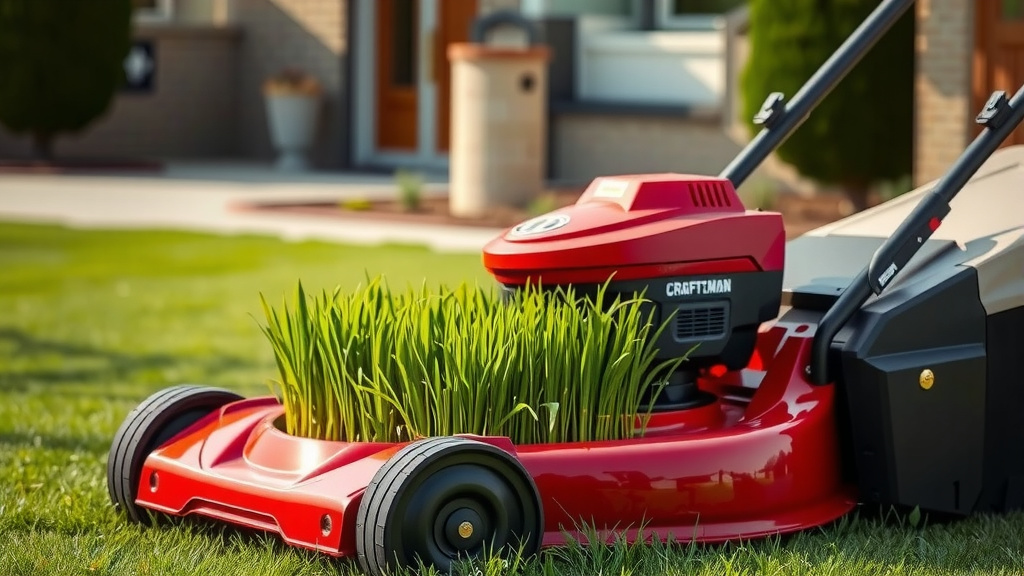
Installing a grass catcher on your Craftsman lawn mower involves safely preparing the machine, attaching the discharge chute adapter, and then securing the collection bag and frame to ensure clippings are properly gathered. This process usually takes less than 15 minutes.
First, always ensure your mower’s engine is off and the spark plug wire is disconnected before you begin to install the grass catcher for a Craftsman lawn mower, preventing accidental starts and ensuring your safety.
Here’s a quick overview of what you’ll find in this guide:
- Learn the simple steps to attach your Craftsman grass catcher.
- Discover why using a grass catcher can benefit your lawn.
- Find essential safety tips before you start working on your mower.
- Get practical solutions for common installation problems.
- Understand how to maintain your grass catcher for long-term use.
How To Install Grass Catcher On Craftsman Lawn Mower?
Installing a grass catcher on a Craftsman lawn mower is a straightforward task. You will attach a specialized adapter to your mower’s discharge opening, then connect the grass collection bag or frame to this adapter. It helps keep your lawn clean.
Why Use a Grass Catcher?
Using a grass catcher offers several perks for your lawn and convenience. It neatly collects clippings, giving your yard a clean, manicured look.
Many experts say collecting grass clippings can also help reduce thatch build-up (Purdue University). This means a healthier lawn over time. It keeps grass off your sidewalks too.
Safety First: Your Pre-Installation Checklist
Before you touch any part of your mower, safety is paramount. We found that most accidents happen during maintenance if proper precautions are skipped. Please follow these steps carefully.
- Turn off the engine completely. Let it cool down if you just used it.
- Disconnect the spark plug wire. Pull it off the spark plug to prevent any accidental starts.
- Wear sturdy gloves. This protects your hands from sharp edges or grime.
- Work on a level surface. This provides stability for your mower.
Gathering Your Tools and Supplies
You likely won’t need many tools for this task. Most Craftsman grass catchers are designed for easy, tool-free installation. However, it’s good to have a few things handy:
- Your Craftsman grass catcher assembly (bag, frame, discharge adapter).
- Perhaps a small wrench or screwdriver, just in case (though often not required).
- A clean cloth to wipe off any dirt around the discharge area.
Step-by-Step Installation Guide
Let’s walk through the process together. It’s simpler than you might think. We’ll break it down into manageable chunks for you.
Preparing Your Mower
With the engine off and spark plug disconnected, you’re ready. Clear any existing grass or debris from the side discharge chute area. This ensures a clean connection for your new catcher.
Understanding Your Craftsman Catcher Components
Your grass catcher typically comes in two main parts: the collection bag (often with a metal frame inside) and a plastic adapter. This adapter is key; it links the bag to your mower.
Attaching the Frame (If Applicable)
Some Craftsman catchers have a separate metal frame. If yours does, assemble it first according to the manufacturer’s instructions. The bag usually slips over this frame, much like a pillowcase over a pillow.
Securing the Collection Bag
Once the frame is ready, slide the grass collection bag onto it. Make sure the opening of the bag aligns perfectly with the frame’s top edge. There might be clips or an elastic band to hold it snug.
Mounting the Discharge Chute Adapter
This is where the magic happens. The plastic adapter piece has hooks or tabs that fit directly onto your mower’s side discharge opening. This opening is usually covered by a spring-loaded deflector.
The Mower’s Side Discharge Opening
Gently lift the spring-loaded deflector on your mower’s side. This exposes the rectangular opening where grass clippings exit. This is where the adapter will connect.
Ensuring a Snug Fit
Carefully align the adapter with this opening. Push it firmly into place. You’ll likely hear a click or feel it snap securely. The adapter should sit flush against the mower deck, with no gaps.
Final Connection: Attaching the Grass Catcher to Your Mower
With the adapter firmly in place, it’s time to connect the assembled grass bag. The bag’s opening will slide over the adapter’s extended spout. Again, look for clips or hooks to secure it.
Many models have a small lever or latch that secures the catcher to the mower body. Make sure this is engaged. This prevents the catcher from detaching while you’re mowing.
Double-Checking Everything
Take a moment to inspect your work. Tug gently on the grass catcher to confirm it’s secure. Check for any loose connections or gaps where clippings could escape. An extra check now saves frustration later.
Quick Checklist Before Mowing
Before you restart your mower, quickly run through this list:
- Is the spark plug wire reconnected securely?
- Is the grass catcher firmly attached to the mower?
- Are there any gaps in the connections?
- Is the collection bag empty and ready for clippings?
- Are you wearing appropriate safety gear?
Troubleshooting Common Installation Issues
Sometimes, things don’t go perfectly the first time. Don’t worry, these are usually easy fixes. We found that most issues stem from a simple oversight.
Clippings Leaking?
If you notice grass clippings escaping, it often means the adapter isn’t perfectly sealed. Double-check its connection to the mower deck. Ensure it’s flush and no debris is blocking the seal.
Also, make sure the bag itself is fully seated on its frame and the adapter. A loose bag can allow clippings to blow out.
Catcher Feels Loose?
A wobbly catcher can be a safety concern. Re-examine all connection points. Are the clips or latches fully engaged? Is the bag sitting correctly on its frame? Sometimes, a slight adjustment is all it takes.
Maintaining Your Grass Catcher
Proper care extends the life of your grass catcher. A well-maintained catcher works more efficiently too. It’s like giving your fishing net a good rinse after each use.
Regular Cleaning Tips
After each use, empty the grass catcher. Then, spray out any lingering grass and dirt with a hose. Many lawn care guides suggest allowing it to dry completely before storing it. This prevents mildew and odors.
Storage Best Practices
Store your grass catcher in a dry, covered area, away from direct sunlight. This protects the plastic components from UV damage and the fabric from deterioration. Keeping it clean and dry is key.
When to Mow with a Grass Catcher (and When Not To)
Using a grass catcher is great, but not always necessary. Here’s a quick guide to help you decide.
| Situation | Use Catcher? | Reason |
|---|---|---|
| Long, overgrown grass | Yes | Prevents excessive thatch and clumping. |
| Wet grass | Yes (but avoid if possible) | Wet clippings clump, using a catcher helps contain them. |
| Mowing regularly (short grass) | No (mulch) | Fine clippings return nutrients to the lawn. |
| Leaf collection | Yes | Mower can chop and collect leaves efficiently. |
Conclusion
Installing a grass catcher on your Craftsman lawn mower is a straightforward upgrade that significantly improves your lawn care routine. By following these simple steps, from ensuring safety to making those final connections, you’ll have a cleaner lawn with minimal effort. Remember to maintain your catcher, and you’ll enjoy its benefits for many mowing seasons. Now go out there and enjoy your neat, tidy yard!
FAQ: Can I use a universal grass catcher on my Craftsman mower?
While some universal grass catchers exist, we found that they often require modifications and may not fit as precisely as a Craftsman-specific model. For the best fit and performance, we recommend using a grass catcher designed specifically for your Craftsman mower model.
FAQ: How do I know if my Craftsman mower is ready for a grass catcher?
Most Craftsman walk-behind mowers are designed to accept a grass catcher. Look for a side discharge opening with a hinged deflector shield. If your mower has this feature, it’s very likely compatible. Check your mower’s user manual for specific compatibility information.
FAQ: My grass catcher bag is tearing. What should I do?
A tearing bag indicates wear and tear. You can often purchase replacement bags directly from Craftsman or authorized parts dealers. Continuing to use a torn bag will result in clippings scattering, defeating the purpose of the catcher. Replacing it is the best solution.
FAQ: How often should I empty my grass catcher?
You should empty your grass catcher when it’s about two-thirds full. Overfilling the bag can reduce its efficiency, put strain on your mower, and make it harder to push. It also makes the bag heavier and more cumbersome to handle.
FAQ: Is it harder to push a Craftsman mower with a grass catcher installed?
Yes, a Craftsman mower with a full grass catcher will be heavier and require more effort to push than one without. The added weight of collected grass increases the total weight of the machine. Consider this, especially if you have a large yard or sloped terrain.
