
How To Make A Lawn Mower Trailer?
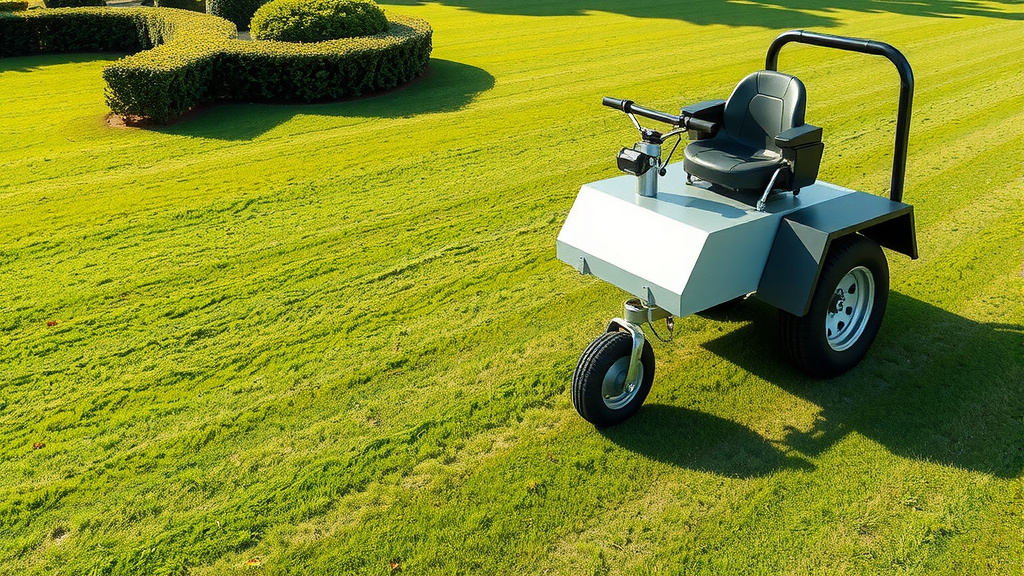
Building a lawn mower trailer involves careful planning, selecting appropriate materials like a sturdy axle, wheels, and frame components, followed by precise assembly and decking. This DIY project can save you money and provide a custom hauling solution tailored to your lawn care needs.
You can make a lawn mower trailer by gathering essential tools, designing a blueprint based on your mower’s dimensions, constructing a robust frame, attaching the axle and hitch, and finally, adding a durable deck. Thorough planning ensures safety and functionality.
Here’s a quick overview of what you’ll discover in this guide:
- Learn the core components needed for your trailer.
- Understand the step-by-step building process.
- Discover crucial safety tips before you start.
- Find out how to choose the right materials.
- Get practical advice on maintaining your new trailer.
How To Make A Lawn Mower Trailer?
Making a lawn mower trailer involves combining a good plan with the right materials and careful construction. It’s a project that many find both rewarding and highly practical.
Why Build Your Own Mower Trailer?
Building your own trailer brings several advantages. You save money compared to buying a new one, which can be significant. Also, you get a trailer perfectly sized for your specific lawn mower and other tools.
Imagine a glove custom-made for your hand – that’s the kind of fit you get. You avoid paying for features you don’t need, focusing only on what truly helps your lawn care tasks.
Safety First: Before You Begin
Before any cutting or welding, safety is paramount. Always wear appropriate personal protective equipment, like safety glasses and gloves. Ensure your workspace is clean, well-lit, and stable.
Many experts emphasize that a secure environment prevents accidents. Double-check all power tool connections and use them correctly.
Key Components You’ll Need
To start, you’ll need a few core components. These form the backbone of your trailer. Think of them as the building blocks for a successful project.
- An axle assembly with hubs and wheels.
- A trailer hitch or coupler.
- Material for the frame (steel tubing or aluminum).
- Decking material (like plywood or metal sheeting).
- Various fasteners, bolts, and possibly welding supplies.
Choosing the Right Axle and Wheels
Your axle choice is critical for carrying the weight of your mower. Match the axle’s weight capacity to your mower’s weight, plus any extra tools you might haul.
Research often shows that an axle slightly oversized for your needs offers greater durability. For wheels, consider pneumatic tires for smoother rides, especially over varied terrain.
Frame Material: Steel or Aluminum?
The frame material greatly affects your trailer’s weight and durability. Steel is strong and budget-friendly but heavier and prone to rust if not treated. Aluminum is lighter and corrosion-resistant but typically costs more.
We found that beginners often prefer steel for its ease of welding. Here’s a quick comparison:
| Feature | Steel Frame | Aluminum Frame |
|---|---|---|
| Strength | Excellent | Good |
| Weight | Heavy | Light |
| Cost | Lower | Higher |
| Corrosion | Needs coating | Resistant |
Designing Your Trailer: Plans and Blueprints
Never start cutting without a solid plan. Sketch out your design, including precise measurements for your lawn mower. This prevents costly mistakes and ensures everything fits.
Many successful DIYers suggest finding existing trailer blueprints online as a starting point. Adapt them to your specific needs, focusing on length, width, and deck height.
Essential Tools for the Job
Having the right tools makes the job much easier and safer. Don’t skimp on these. You’ll be glad you invested in good equipment.
- Welder (for steel frames) or heavy-duty drill (for bolted frames)
- Angle grinder with cutting and grinding discs
- Metal saw or chop saw
- Measuring tape and carpenter’s square
- Clamps to hold pieces in place
- Safety glasses, hearing protection, and gloves
Step-by-Step Building Process
Let’s break down the building process into manageable steps. This helps keep your project organized and on track. Remember, patience is a virtue here.
Step 1: Frame Assembly
Cut your chosen frame material according to your design. Weld or bolt the pieces together, ensuring all corners are square and level. A true and square frame is foundational for a good trailer.
Step 2: Attaching the Axle
Mount the axle securely to the underside of the frame. Proper alignment here is crucial; otherwise, your trailer won’t track straight behind your towing vehicle. We found that many experts recommend a straight edge to ensure perfect alignment.
Step 3: Installing the Hitch
Weld or bolt the trailer coupler to the front of your frame’s tongue. Make sure it’s rated for the trailer’s loaded weight. A secure hitch prevents accidents during transport.
Step 4: Adding the Decking
Cut your decking material to fit the frame. Secure it firmly with self-tapping screws or bolts. For plywood, many experts suggest using treated lumber for better weather resistance.
Step 5: Wiring and Lights (Optional but Recommended)
If you plan to use your trailer on public roads, install appropriate lighting and wiring. This includes brake lights, turn signals, and marker lights. Check local regulations for requirements.
Step 6: Finishing Touches and Testing
Apply paint or a protective coating to your frame to prevent rust. Add reflective tape for visibility. Before carrying your mower, test the trailer with a lighter load to check its stability and tracking.
Decking Material Options
When selecting your decking, think about durability and cost. Plywood is a cost-effective choice, especially treated plywood. Metal sheeting offers greater strength and a longer lifespan but usually at a higher price.
Some builders even use reinforced plastic panels, which are lightweight and weather-resistant. Your choice often depends on your budget and how much wear and tear you expect.
Common Pitfalls to Avoid
Building a trailer can be straightforward, but watch out for common mistakes. Underestimating the weight capacity needed is a frequent error. Always factor in the mower, fuel, and any other tools.
Another pitfall is poor welding or loose bolts, which can lead to structural failure. We found that many DIY builders rush the connection points, which causes issues later on.
Maintenance Tips for Your New Trailer
Once built, your trailer needs a little care to last. Regularly check all bolts and fasteners for tightness. Inspect tire pressure and condition before each use. Lubricate any moving parts, like the hitch mechanism.
A quick inspection after each use can catch small problems before they become big ones. This ensures your trailer stays reliable for many seasons.
Conclusion
Building your own lawn mower trailer is a rewarding project that combines practical skills with real utility. With careful planning, the right materials, and a focus on safety, you can create a custom solution for your lawn care needs.
From saving money to getting a perfect fit for your equipment, the benefits are clear. So, gather your tools, start planning, and enjoy the satisfaction of hauling your mower with a trailer you made yourself.
How much weight can a DIY lawn mower trailer typically carry?
The weight a DIY lawn mower trailer can carry heavily depends on the axle’s rating and the strength of the frame materials used. Most homemade trailers designed for riding lawn mowers can safely carry between 500 to 1,000 pounds. Always consult your axle’s specifications for its maximum load capacity.
What’s the best way to secure a lawn mower on the trailer?
The best way to secure a lawn mower is by using multiple heavy-duty ratchet straps. Connect them from the mower’s frame or sturdy axles to secure anchor points on the trailer. Aim for at least four straps, pulling down and slightly outward, to prevent any movement during transport.
Can I use an existing utility trailer frame for a lawn mower trailer?
Yes, you can often adapt an existing utility trailer frame. This can save significant time and money. You might need to reinforce areas, adjust the deck size, or add specific ramps or tie-down points to better suit your lawn mower’s dimensions and weight.
Are there any legal requirements for homemade trailers?
Legal requirements for homemade trailers vary widely by state and country. Generally, trailers used on public roads need proper lighting (brake, turn, marker lights), reflective tape, safety chains, and often require registration and a license plate. Always check your local Department of Motor Vehicles for specific regulations before use.
How long does it usually take to build a lawn mower trailer?
The time it takes to build a lawn mower trailer varies based on your skill level, the complexity of your design, and the tools available. A basic trailer might take a dedicated weekend (16-20 hours) to complete, while a more elaborate design with welding and custom features could take several weekends or even a week of part-time work.
