
How To Make A Mini Lawn Mower?
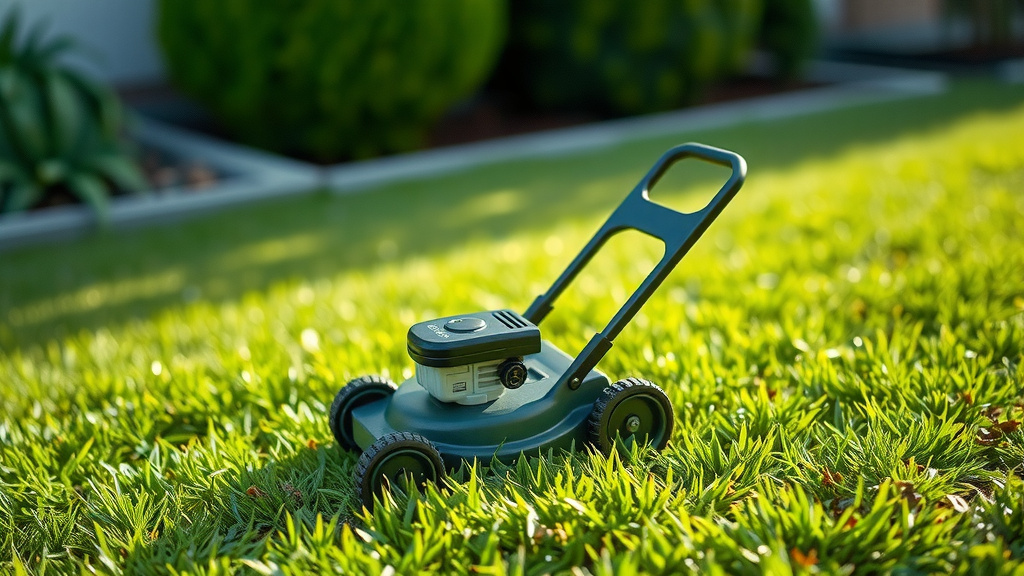
You can make a mini lawn mower by combining a small electric motor, a battery pack, a sturdy chassis, and a sharp, small blade. This DIY project is perfect for trimming tiny patches of grass or for educational purposes.
Building your own mini lawn mower involves careful planning for safety and functionality, ensuring all components are securely assembled and the power source is correctly wired.
Here’s a quick look at what we’ll cover to help you build your mini lawn mower:
- DIY mini mowers are fun projects for small tasks or learning.
- Gather components like a motor, battery, blade, and chassis.
- Focus on safety during assembly and operation.
- Choose between simple models or more advanced remote control versions.
- Always test thoroughly before use on grass.
How To Make A Mini Lawn Mower?
Making a mini lawn mower is a fun project using basic electronics and crafting skills. You will combine a small motor with a blade on a simple frame.
This creation is great for small areas or as a learning experience for electronics and mechanics.
Why Build a Mini Mower?
Have you ever looked at a tiny patch of grass and thought your big mower was overkill? A mini mower can be just the ticket!
They are perfect for trimming around garden edges or intricate landscaping spots. Plus, it’s a fantastic hands-on project for hobbyists and students alike.
What Kind of Mini Mower Are We Talking About?
When we say “mini lawn mower,” we usually mean a small, handheld, or remote-controlled device. It is not meant for an entire yard.
Think of it more as a precision tool or a cool gadget. It is like a tiny robot for your grass.
Essential Components You’ll Need
Gathering your materials is the first step in any exciting project. We found that having everything ready saves time and frustration.
You will need several key parts to bring your mini mower to life.
Here’s a look at the core components:
- Small Electric Motor: Often a DC motor from a toy car or a small fan.
- Power Source: A battery pack (AA, 9V, or a small LiPo).
- Blade: A small, sharp, lightweight blade (e.g., craft knife blade, razor blade, or a custom-cut piece of plastic).
- Chassis/Frame: A base made from plastic, wood, or lightweight metal.
- Wheels: Small wheels for movement, if it’s not handheld.
- Switch: An on/off switch for safety and control.
- Wiring: Connectors and wires to link everything up.
Choosing Your Motor and Power
The motor is the heart of your mini mower. We recommend a DC motor with decent RPM for effective cutting.
For power, consider a battery that matches your motor’s voltage requirements. Many experts say a 9V battery or a small rechargeable LiPo works well for portability (Electronics Hub).
The All-Important Blade
Safety is paramount when dealing with blades. We found that a small, single-edge razor blade works, but can be dangerous.
Some makers prefer sturdy plastic blades cut from old credit cards or similar material. These are safer but less aggressive.
Always ensure your blade is securely mounted and balanced to avoid wobbling.
Building the Chassis: Your Mower’s Foundation
Your chassis is the frame that holds everything together. Think of it as the skeleton of your mini mower.
You can use anything from sturdy cardboard to acrylic sheets or even small wooden blocks. The goal is a lightweight yet stable base.
Attaching Wheels (Optional, but Recommended)
If you want your mini mower to move on its own, small plastic wheels are great. Attach them to axles on your chassis.
This allows for easier navigation across those tiny grass patches. Otherwise, you will be holding it the whole time.
Wiring It All Up: Simple Electronics
Wiring might sound complex, but for a simple mini mower, it’s straightforward. You connect the battery to the switch, and the switch to the motor.
Always double-check your connections before powering up. Loose wires are never a good idea (Electrical Safety Foundation International).
Step-by-Step Assembly Guide
Ready to put it all together? Follow these general steps for assembly:
Here’s a quick checklist to keep you on track:
- Secure the Motor: Mount your motor firmly to the chassis.
- Attach the Blade: Carefully fix the chosen blade to the motor shaft.
- Wire the System: Connect battery, switch, and motor.
- Add the Wheels: Attach wheels to the chassis if using them.
- Test Functionality: Power on, ensuring the blade spins freely.
- Safety Check: Double-check all connections and blade security.
Safety First: Important Precautions
Working with motors and blades always requires caution. Your safety is more important than any project.
Always wear safety glasses when operating your mini mower. Keep fingers and loose clothing away from the spinning blade.
Never leave the mini mower unattended when it’s on. And remember, it’s for grass, not for anything harder!
Testing Your Creation
Before hitting the lawn, test your mini mower on a safe surface. Make sure the blade spins smoothly without any unusual vibrations.
A wobbly blade can be very dangerous. Adjust mounting if needed until it runs true.
Mini Mower vs. Trimmer: What’s the Difference?
You might wonder, “Isn’t this just a tiny trimmer?” While similar, there are key differences in intent and design.
A mini mower typically aims for a more even cut over a flat, small area, while trimmers are for edges or thicker growth.
Here’s a simple comparison:
| Feature | Mini Lawn Mower (DIY) | Handheld Trimmer |
|---|---|---|
| Purpose | Even cutting of very small, flat grass patches. | Edging, detail work, thicker weeds, uneven areas. |
| Blade Type | Small, rigid blade (metal or plastic). | Often a rotating string/line, sometimes small plastic blades. |
| Power Source | Small batteries (9V, AA, LiPo). | Larger batteries (18V, 20V) or corded electric. |
| Complexity | DIY, basic electronics/mechanics. | Engineered product, ready to use. |
Advanced Mini Mower Ideas
Once you master the basic design, your creativity can really take over. Many hobbyists enjoy adding remote control functionality.
Imagine steering your tiny mower from a distance! You could also integrate obstacle sensors or even solar charging for extended use.
Remote Control Capabilities
Adding a simple RC receiver and motor driver lets you control your mower wirelessly. This makes the project even more exciting.
It’s like having your own little RC car, but it cuts grass!
Conclusion
Building a mini lawn mower is a rewarding project that blends practical skills with creative fun. You get to learn about circuits, mechanics, and design.
Whether you need to trim a small area or just love tinkering, this DIY adventure promises both challenges and satisfaction. Remember to always prioritize safety and enjoy the process of creating something useful from scratch.
Can a mini lawn mower cut real grass effectively?
Yes, a mini lawn mower can effectively cut very short, sparse grass or small weeds in tight spaces. It’s not designed for thick lawns, but it excels at precision trimming around delicate garden features where larger mowers cannot reach.
What is the best type of battery for a DIY mini mower?
For most DIY mini mowers, a 9V battery offers a good balance of power and size for small motors. For longer run times or more powerful motors, a small rechargeable LiPo (Lithium Polymer) battery is often recommended due to its higher energy density (Battery University).
Are there any age restrictions for building a mini lawn mower?
While the concept is simple, working with sharp blades and electrical components means this project is best suited for teenagers and adults. Younger children should always have direct adult supervision and assistance to ensure safety during assembly and operation.
How can I make my mini mower safer?
To enhance safety, use a plastic blade instead of a metal one if possible. Always include a clearly marked on/off switch that is easy to access. Add a protective shroud around the blade to prevent accidental contact, and always wear safety goggles when operating.
What’s the difference between a mini lawn mower and a robotic lawn mower?
A DIY mini lawn mower is typically a simple, often handheld or manually steered device for tiny tasks, built for learning or specific niche trimming. A robotic lawn mower is a sophisticated, autonomous machine with sensors, programming, and advanced navigation designed to cut entire lawns without human intervention (Husqvarna).
