
How To Make A Racing Lawn Mower Cheap?
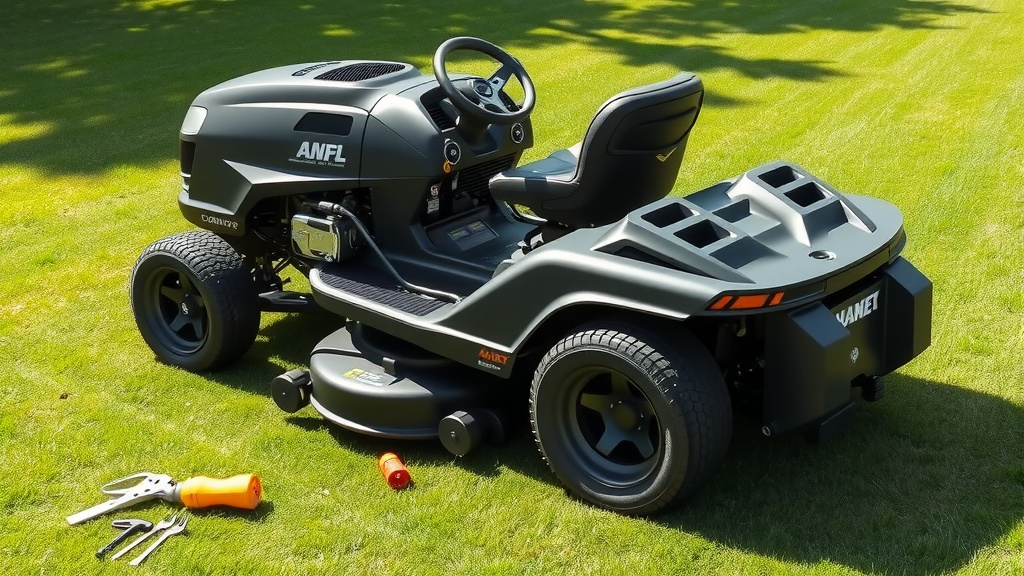
To make a racing lawn mower cheap, you should start with an inexpensive donor mower, often found for free or under $100, and focus on essential modifications like engine tuning, safety upgrades, and minor frame adjustments.
Prioritize bolt-on parts and DIY solutions to keep costs low, such as modifying existing carburetors and exhaust systems rather than buying expensive aftermarket components for your racing lawn mower.
TL;DR: Building a racing lawn mower on a budget is totally doable! Here’s the quick lowdown:
- Grab a cheap used lawn tractor as your base. Look for freebies!
- Focus on simple engine tweaks like carburetor adjustments and exhaust mods for power.
- Safety is paramount; don’t skimp on brakes, kill switches, and sturdy steering.
- Improve handling with basic steering modifications and tire upgrades.
- Weight reduction and frame reinforcement can be done affordably with careful planning.
How To Make A Racing Lawn Mower Cheap?
Making a racing lawn mower cheap involves smart choices, elbow grease, and focusing on performance-to-cost ratios. You can achieve impressive speed without draining your bank account by prioritizing core modifications and seeking out budget-friendly parts.
Why Build a Racing Lawn Mower?
Ever thought about turning your ordinary grass cutter into a speed demon? Building a racing lawn mower is a fantastic hobby. It combines mechanical challenge, creative problem-solving, and a whole lot of fun. Plus, the racing community is vibrant!
It’s about the thrill of competition, the camaraderie, and the satisfaction of building something unique. We found that many enthusiasts get started with very little cash, proving it’s accessible.
Finding the Right Mower Base
Your journey begins with the right donor mower. This is where you can save a significant amount of money right from the start. Look for a robust frame and a solid engine that just needs a bit of love.
Many experts say that older, simple lawn tractors are often the best choice. They are easier to work on and less complicated than newer models (Lawn Mower Racing Association guidelines).
What to Look for in a Cheap Donor Mower
When scouting for your base, consider yard sales, online marketplaces, or even asking neighbors. Often, people give away old, non-running mowers just to get rid of them. Focus on the frame’s condition and the engine’s potential.
A good frame means less fabrication later on. An engine that turns over, even if it doesn’t start, suggests it might be salvageable with minimal cost. Avoid rusted-out frames or severely damaged engines.
Engine Upgrades: Power on a Budget
The engine is the heart of your racing mower. Getting more power doesn’t always mean buying a brand-new, expensive engine. Often, simple tweaks to your existing engine can yield surprising results.
Research suggests that focusing on air intake and exhaust can make a big difference. These are generally inexpensive modifications that enhance engine breathing and power output.
Simple Carburetor Adjustments
Your carburetor mixes air and fuel. By adjusting it, you can optimize this mixture for more power. This often involves swapping out jets for slightly larger ones or modifying the governor.
Bypassing the governor linkage can free up RPMs, but be careful! Too many RPMs can damage your engine. Always understand what you’re doing before making these kinds of changes.
Exhaust Modifications for More Roar
A restrictive exhaust can choke an engine. Swapping the stock muffler for a straight pipe or a custom header can improve exhaust flow. This not only sounds cool but can also add a few horsepower.
You can often fabricate a custom exhaust using inexpensive steel tubing. Just be sure it directs hot gases away from the driver and fuel tank for safety.
Safety First: A Non-Negotiable Step
Speed is exciting, but safety is paramount. Never compromise on safety features, even on a budget build. Your well-being, and that of others, relies on a safe machine.
Many racing clubs enforce strict safety rules for good reason. Before you even think about hitting the track, ensure your mower meets essential safety standards.
Here’s a quick safety checklist:
-
Kill Switch: A readily accessible switch to cut engine power instantly.
-
Brakes: Reliable braking system, often dual brakes for better control.
-
Roll Bar: A sturdy roll bar can protect you in case of a rollover.
-
Seatbelt: A racing-style seatbelt to keep you securely in place.
-
Shielding: Protecting yourself from moving engine parts and hot exhaust.
Steering and Suspension Improvements
A racing mower needs to handle well. Improving steering and suspension doesn’t have to be expensive. Small changes can make a huge difference in control and stability.
Many builders find that strengthening key steering components and adjusting spring rates are effective budget moves. It’s about optimizing what you have.
Basic Steering Mods
You might need to reinforce the steering rod or replace weak tie-rod ends. Removing excess play in the steering column makes a big difference in control. Consider a smaller steering wheel for quicker turns, too.
Understanding Your Suspension Needs
For budget racing, a stiff suspension is often preferred. This reduces body roll and keeps the tires flat on the track. You can achieve this by modifying existing springs or even adding solid mounts to the front axle.
The Drivetrain: Getting Power to the Wheels
The drivetrain transfers power from the engine to the wheels. Your transmission and axle setup are key. Often, stock transmissions are fine, but you might want to modify gearing for more speed.
Research indicates that changing pulley sizes is one of the cheapest ways to adjust your gear ratio. This is a common and effective modification.
Common Drivetrain Modifications
Let’s look at some common drivetrain tweaks:
| Modification | Budget Impact | Performance Gain |
|---|---|---|
| Change Pulley Sizes | Low | Increased top speed or acceleration |
| Solid Axle Conversion | Medium | Improved traction, stability in turns |
| Reinforce Axle/Shafts | Low-Medium | Durability for higher power |
| Lock Differential (Welding) | Very Low | Better traction on loose surfaces |
Wheels and Tires for Speed
Tires are your only contact with the track. Good tires provide grip, which is essential for speed and cornering. You don’t need to break the bank for effective racing tires.
We found that many budget builders adapt ATV or karting tires. These often provide superior grip compared to standard lawn mower tires and can be found used.
Budget Tire Choices
Look for used ATV tires or specialized racing kart tires. They offer a much better grip profile. Sometimes, simply reversing existing turf tires can offer slightly better traction, a zero-cost trick!
Frame Reinforcement and Weight Reduction
A strong, light frame is a fast frame. Reinforcing key stress points ensures durability, while shedding unnecessary weight improves your power-to-weight ratio.
You can often find scrap metal or use existing parts to strengthen your frame. Weight reduction is about removing anything not essential for structure, safety, or performance.
Where to Shave Off Pounds Safely
Remove heavy shrouds, unnecessary brackets, and the original mowing deck assembly. Every pound counts! Just be careful not to remove structural supports or safety features.
Essential Tools for Your Build
You don’t need a professional workshop to build a racing mower. A basic set of hand tools will get you far. Here’s what you’ll probably need:
- Wrenches and sockets
- Screwdrivers
- Grinder or cutting wheel
- Welder (if you or a friend has one)
- Drill
- Safety gear (gloves, eye protection)
Legalities and Track Rules
Before you get too far, check local regulations and specific track rules. Different racing associations have varying classes and safety requirements. You want your cheap build to be race-ready and compliant.
Many clubs require specific safety features and engine sizes. Always build to the rules of where you plan to race to avoid disappointment.
Conclusion
Building a racing lawn mower on a budget is an incredibly rewarding experience. It’s about smart decisions, utilizing affordable materials, and applying ingenuity. By focusing on a solid donor, strategic engine tweaks, non-negotiable safety, and smart handling improvements, you can hit the track without spending a fortune.
Remember, the goal is often more about the fun of the build and the camaraderie of racing than pure speed. So get out there, get your hands dirty, and enjoy the ride!
How much horsepower does a racing lawn mower have?
The horsepower of a racing lawn mower varies widely depending on the class and modifications, but most custom builds can range from 10 to 30 horsepower, significantly more than a stock mower. Some high-end professional racing mowers can exceed 50 horsepower.
Can you put a bigger engine in a lawn mower?
Yes, you can often put a bigger engine in a lawn mower, but it requires careful planning to ensure the frame can handle the extra weight and power, and that the drivetrain components are compatible or upgraded. This also impacts balance and safety, so reinforcing the frame is critical.
What kind of transmission do racing lawn mowers use?
Racing lawn mowers commonly use modified versions of the original hydrostatic or gear transmissions, or they might switch to a belt-driven system with adjustable pulleys for precise gear ratio tuning. Simpler builds often just reinforce the stock transmission and adjust pulley sizes for speed.
How fast can a racing lawn mower go?
A well-built racing lawn mower can achieve speeds from 30 mph to over 80 mph, depending on the engine size, modifications, gearing, and track conditions. Professional builds often aim for the higher end of that spectrum, while budget builds might comfortably reach 40-50 mph.
What is the easiest way to get more speed from a lawn mower?
The easiest ways to get more speed from a lawn mower on a budget are removing the governor, adjusting the carburetor for a richer fuel mixture, and upgrading the exhaust system for better flow. These modifications can provide a noticeable increase in RPMs and power output.
