
How To Make Lawn Mower?
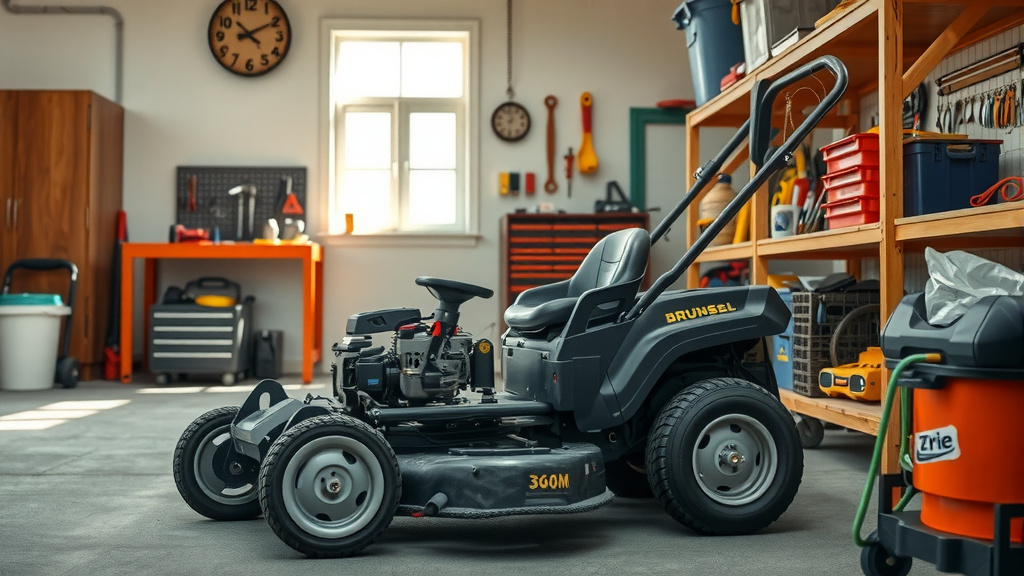
You can’t “make” a modern lawn mower from scratch at home like baking a cake; it’s a complex machine built with many specialized components. Instead, think about assembling one from parts, repairing, or even customizing an existing unit to suit your needs.
Building a functional and safe lawn mower involves engineering knowledge, specific manufacturing processes for engines, blades, and chassis, and adherence to safety standards. You’re effectively looking at a project that requires significant resources and expertise far beyond typical DIY.
TL;DR: Want to “make” a lawn mower? Here’s the gist:
- Building from raw materials is highly complex, think industrial production.
- Focus on assembling, customizing, or repairing for a realistic DIY project.
- Safety, power, and cutting precision are key considerations in any build.
- Homemade mowers often lack the safety and efficiency of manufactured ones.
- It’s more about understanding components than fabricating everything yourself.
How To Make Lawn Mower?
Making a lawn mower from raw materials is an industrial process, not a simple home project. However, you can assemble, repair, or customize one, which is more practical.
Understanding the “Make” in Lawn Mowers
When you ask “how to make a lawn mower,” it’s easy to picture building something entirely new. But for most of us, making means putting things together. This could be assembling a kit, swapping out parts, or even adding features. Think of it more as a sophisticated assembly project.
Real lawn mowers involve intricate designs. They feature high-speed rotating blades, powerful engines, and durable chassis. Each part is engineered for safety and performance (Consumer Reports). Trying to fabricate these from scratch is quite a feat.
Why Build One? The DIYer’s Motivation
Perhaps you have a specific need. Maybe you want a mower for a very unique type of terrain. Or you simply love the challenge of building something with your own hands. We often find that custom solutions can sometimes fit a niche better than off-the-shelf products.
Some people enjoy the satisfaction of creating. Others might be looking for a budget-friendly option using repurposed parts. Whatever your reason, understanding the scope is your first step.
Safety First: A Non-Negotiable Component
Before you even dream of designing, think about safety. A lawn mower is a powerful tool with spinning blades. It can cause serious injury if not handled properly. Many experts recommend following strict safety guidelines (OSHA).
Any custom build must prioritize blade guards, engine cut-offs, and stable operation. Don’t compromise on these elements. Your safety, and the safety of those around you, truly matters.
Key Components of a Lawn Mower
Let’s break down what actually goes into a typical lawn mower. Knowing these parts helps you understand what you might need to acquire or adapt. It’s a bit like baking; you need the right ingredients, right?
Here’s a look at the core parts:
- Engine: Provides the power, usually gasoline or electric.
- Chassis/Deck: The main body, holding everything together, often with wheel mounts.
- Blade: The cutting tool, designed for specific grass types and durability.
- Wheels: For mobility and adjusting cutting height.
- Handlebar: For steering and control.
- Safety Features: Kill switches, blade brakes, guards.
Choosing Your Power Source
The engine is the heart of your lawn mower. Do you envision a gas-powered beast or an electric-powered whisperer? Each has its pros and cons. Many research studies show electric options are greener, while gas offers more raw power for tough jobs.
Think about the size of your lawn, noise tolerance, and fuel availability. A small electric motor might be perfect for a compact project, but a larger engine is needed for heavy-duty tasks.
Building a Sturdy Chassis and Deck
The chassis is the frame. It needs to be strong enough to withstand vibrations, engine weight, and occasional bumps. The deck houses the blade. We found that robust steel or aluminum is commonly used for durability.
Consider the cutting width you need. A wider deck means fewer passes, but a heavier, bulkier machine. A narrower deck is better for tight spaces. Balance these needs carefully.
Selecting the Right Blade
The blade is where the magic happens. It needs to be sharp, balanced, and made from durable steel. A poorly balanced blade causes excessive vibration, which is bad for both the mower and your hands.
There are different types of blades: mulching, bagging, or discharge. Choose one that fits how you want to handle grass clippings. Research often connects specific blade designs with optimal grass health (University Extension programs).
Wheels and Height Adjustment Mechanisms
Mobility is key. You’ll need durable wheels that can handle your terrain. Pneumatic tires offer better traction on uneven ground. Smaller, solid wheels are fine for flat, paved areas.
A height adjustment system is also vital. This lets you choose how short to cut your grass. Simple systems use bolts, while more advanced ones use levers. We often find that a quick and easy height adjustment improves user experience.
Putting it All Together: Assembly Considerations
This is where your vision starts to take shape. You’ll need tools like wrenches, drills, and possibly welding equipment. Ensure all connections are secure. Loose parts can be dangerous.
Here’s a simple checklist for assembly:
- Securely mount the engine to the chassis.
- Attach the blade to the engine shaft, ensuring it’s balanced.
- Install wheels and set up the height adjustment.
- Connect the handlebar and all control cables.
- Double-check all safety features like the kill switch.
Testing Your Homemade Machine
Once assembled, do not rush to mow your lawn. First, perform a static test. Run the engine without the blade engaged (if possible) and check for vibrations or unusual noises. Then, test the blade at a safe distance from anything, perhaps in an empty area of your yard.
Always wear appropriate safety gear: eye protection, ear protection, and sturdy shoes. Many guidelines point to a cautious approach during initial testing (National Safety Council).
Comparing DIY vs. Commercial Mowers
Let’s be real; commercial mowers have the benefit of extensive research and development. They are mass-produced with strict quality control. Here’s a quick comparison:
| Feature | DIY/Homemade Mower | Commercial Mower |
|---|---|---|
| Safety | Requires diligent design and testing. | Meets industry safety standards. |
| Performance | Highly variable, depends on components. | Optimized for consistent cutting. |
| Cost | Potentially lower if using repurposed parts. | Initial cost can be higher, but includes warranty. |
| Maintenance | Can be simpler if you know your build. | Standard parts readily available. |
As you can see, there are trade-offs. We often find that for general use, a commercial mower provides reliability and peace of mind.
Legal and Regulatory Aspects
Did you know there might be rules about operating homemade machinery? Depending on where you live, there could be regulations regarding noise, emissions, or even safety certification. It’s always a good idea to check with your local authorities.
This is less about making it work and more about making it legal. Don’t skip this important step; it could save you headaches later.
Conclusion
While making a lawn mower from raw materials is generally beyond a typical DIYer, assembling or customizing one offers a rewarding project. Focus on sound design, prioritize safety above all else, and carefully select quality components.
Remember, a homemade mower won’t replace the engineered precision of a commercial unit for most people. But for those with a specific vision or a love for building, understanding the components and following best practices can lead to a uniquely functional machine. Stay safe, be smart, and enjoy the process of bringing your lawn care vision to life!
How complicated is it to build a lawn mower from scratch?
Building a lawn mower completely from scratch, meaning fabricating every part like the engine, blade, and chassis, is extremely complicated and typically requires industrial manufacturing capabilities, not home workshop tools. It’s more realistic to assemble one from existing specialized components.
What are the essential safety features for any homemade lawn mower?
Essential safety features for any homemade lawn mower include a reliable engine kill switch, blade guards to prevent contact, and a stable chassis design to prevent tipping. Proper testing and wearing personal protective equipment are also absolutely critical when operating.
Can I use car parts to build a lawn mower?
While some mechanical parts might be adaptable, car engines are generally too large and heavy for most lawn mower applications. Smaller, specialized engines designed for outdoor power equipment are usually more suitable due to their size, weight, and power output characteristics.
How do I balance a homemade lawn mower blade?
Balancing a homemade lawn mower blade is crucial for smooth operation and preventing excessive vibration. You can use a blade balancer tool (often available at hardware stores) to check if the blade is evenly weighted. Grind small amounts of metal off the heavier side until it balances perfectly.
Is it cheaper to build a lawn mower than to buy one?
It can be cheaper to assemble a lawn mower if you already have access to many repurposed parts, especially a working engine. However, buying all new components separately can often cost more than purchasing a new, mass-produced commercial lawn mower that comes with a warranty and meets safety standards.
