
How To Make Lawn Mower Cut Lower?
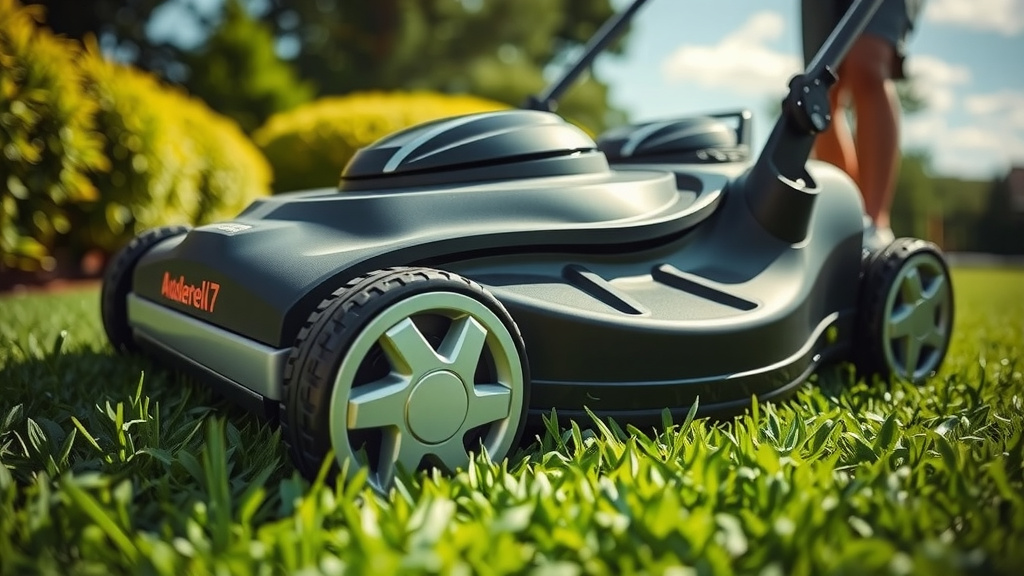
You can make your lawn mower cut lower by adjusting the deck height levers on each wheel or using a single central lever, depending on your mower’s design.
Always refer to your owner’s manual for the precise instructions and safety warnings specific to adjusting your lawn mower’s cutting height.
- Learn how to safely lower your lawn mower’s cutting height using common adjustment methods.
- Understand the importance of making gradual adjustments to maintain lawn health.
- Discover the potential risks and benefits associated with a lower grass cut.
- Find practical solutions and a simple checklist to achieve your desired lawn length.
- Gain confidence in maintaining your lawn mower for optimal cutting performance.
How To Make Lawn Mower Cut Lower?
To make your lawn mower cut lower, you typically adjust the height settings on the mower deck itself. This involves moving the deck closer to the ground, which results in a shorter grass cut. Most mowers use either individual wheel levers or a central adjustment lever.
Understanding Your Mower’s Cutting Height
Your lawn mower’s cutting height is simply how high the blades are positioned above the ground. This setting directly affects the length of your grass after mowing. A properly set height is key for lawn health and appearance.
Why Adjust Cutting Height?
Adjusting the cutting height lets you tailor your lawn’s look. You might want a shorter cut for a formal appearance or a slightly longer one for better drought resistance. Different grass types also have ideal cutting ranges.
The “One-Third Rule” for Lawn Health
Many experts say that you should never remove more than one-third of the grass blade’s total height in a single mowing session. Breaking this rule can stress your lawn, making it susceptible to disease and weeds. We found that this rule is a foundation of good lawn care (University of California Agriculture and Natural Resources).
Before You Adjust: Safety First!
Before you even think about adjusting your mower, safety is paramount. Always turn off the engine and remove the spark plug wire. This stops the blades from accidentally engaging, keeping your fingers safe.
Gather Your Tools
Usually, you won’t need many tools. A pair of sturdy work gloves is always a good idea to protect your hands. Sometimes, a wire brush might be helpful if debris makes adjusting difficult. Have your owner’s manual handy for specific guidance.
Step-by-Step Guide: Lowering Your Mower Deck
Lowering your mower deck is usually a straightforward process. The method depends on the type of lawn mower you own. Most mowers follow one of a few common adjustment styles.
Method 1: Individual Wheel Adjustments
Many walk-behind mowers have separate levers or pins at each wheel. You’ll need to adjust each wheel to the same height setting. This process involves lifting the mower slightly to move the lever.
- Turn off your mower and disconnect the spark plug.
- Locate the adjustment lever or pin near each wheel.
- Pull the lever outwards or lift the pin to release the wheel from its current notch.
- Move the wheel to a lower height notch on the deck.
- Ensure all four wheels are set to the exact same numerical or lettered setting.
- Reconnect the spark plug before starting.
Method 2: Central Lever Adjustment
Some mowers, often higher-end walk-behinds, feature a single lever. This lever adjusts the entire mower deck at once. It’s generally a quicker and easier method.
First, always ensure the mower is off and the spark plug is removed. Locate the central lever, usually near one of the rear wheels. Push the lever outwards or lift it up to disengage the locking mechanism. Then, move the lever to a lower numbered or lettered slot, which brings the deck closer to the ground. Release the lever to lock it in place, then reattach the spark plug.
Method 3: Spacers and Washers (Advanced)
For some older or specific mower models, you might adjust the blade height using spacers or washers. This is less common for deck height, which usually uses the methods above. Instead, it’s for fine-tuning the blade itself. This process is more complex and usually requires removing the blade. We found that this method is best left to experienced users or professionals (Lawn Mower Pros).
When to Consider a Lower Cut
There are times when a lower cut can be beneficial. For instance, if you’re overseeding your lawn, a slightly lower cut helps the new grass seeds reach the soil. Some grass types, like certain bentgrass varieties, also prefer a shorter mowing height. It also helps with the first cut of the season to remove dormant growth.
Potential Pitfalls of Cutting Too Low
While a lower cut might seem appealing, it comes with risks. Cutting your grass too short can lead to a host of problems. It’s often better to aim for a slightly longer lawn that is healthier. We found that scalping is the biggest risk when cutting too low.
Scalping Your Lawn
Cutting grass too short exposes the soil, leading to “scalping.” This makes your lawn look brown and patchy. Scalped areas are more susceptible to weeds and drying out quickly. It also stresses the grass plants significantly.
Weed Problems
Taller grass blades naturally shade the soil, which helps to suppress weed growth. When you cut your lawn too low, you remove this protective canopy. This allows weed seeds to germinate more easily, leading to a weedy, unkempt lawn.
Increased Stress on Grass
Grass plants store energy in their blades. Removing too much of the blade at once forces the plant to use stored energy to regrow. This weakens the root system and makes the grass less resilient to drought, heat, and disease. It’s like asking someone to run a marathon on an empty stomach.
Post-Adjustment Checklist
After adjusting your mower’s cutting height, take a moment to double-check everything. This ensures a smooth, safe mowing experience. It also helps you achieve the desired results on your lawn.
| Checklist Item | Why It Matters |
|---|---|
| Spark plug reconnected? | Mower won’t start without it. |
| All wheels/levers at the same setting? | Ensures an even cut, prevents scalping. |
| Are blades sharp? | Sharp blades give a clean cut, dull blades tear. |
| Clear debris from deck? | Prevents clogging and ensures airflow. |
| Test cut on a small area? | Verify the new height before mowing the whole lawn. |
Here’s a quick post-adjustment checklist:
- Did you reconnect the spark plug wire?
- Are all four wheels (or the central lever) set to the exact same height?
- Did you clear any grass clippings or debris from around the deck?
- Is the cutting blade still sharp and balanced for a clean cut?
- Have you done a small test cut to verify the new height?
Conclusion
Adjusting your lawn mower to cut lower is a simple task that can significantly impact your lawn’s appearance. Remember to prioritize safety by disconnecting the spark plug and always consult your owner’s manual. While a lower cut can sometimes be beneficial, moderation is key. Following the “one-third rule” and understanding the potential risks will help you maintain a lush, healthy lawn. Your lawn will thank you for the thoughtful care.
Can cutting my lawn too short damage it?
Yes, cutting your lawn too short, often called scalping, can severely damage it. It stresses the grass blades, weakens the root system, and leaves the soil exposed to harsh sunlight. This can lead to brown patches, increased weed growth, and a higher risk of disease.
How often should I adjust my mower’s cutting height?
You don’t typically need to adjust your mower’s cutting height very often. Most people find a suitable height for their grass type and stick with it. You might adjust it seasonally, like slightly lower in early spring or higher during hot, dry summer months to retain moisture.
What is the ideal grass height for a healthy lawn?
The ideal grass height varies by grass type and climate. Many experts recommend keeping cool-season grasses (like fescue or bluegrass) between 2-3 inches and warm-season grasses (like Bermuda or Zoysia) between 1-2 inches. Research often suggests that slightly longer grass promotes healthier roots (Cornell University Turfgrass Program).
Does tire pressure affect how low my mower cuts?
Absolutely! Uneven or incorrect tire pressure can significantly impact your mower’s cutting height, especially on riding mowers. If one tire is low, that side of the deck will dip, leading to an uneven cut and potential scalping. Always check and maintain proper tire pressure for a level cut.
When is the best time of year to cut grass lower?
The best time to consider a slightly lower cut is usually in early spring for the first mow, to remove any dormant growth and encourage new shoots. Some people also cut slightly lower in the late fall for the final mow before winter. During peak growing seasons and hot summers, it’s generally better to cut at a higher setting.
