
How To Make Lawn Mower Ramps For Truck?
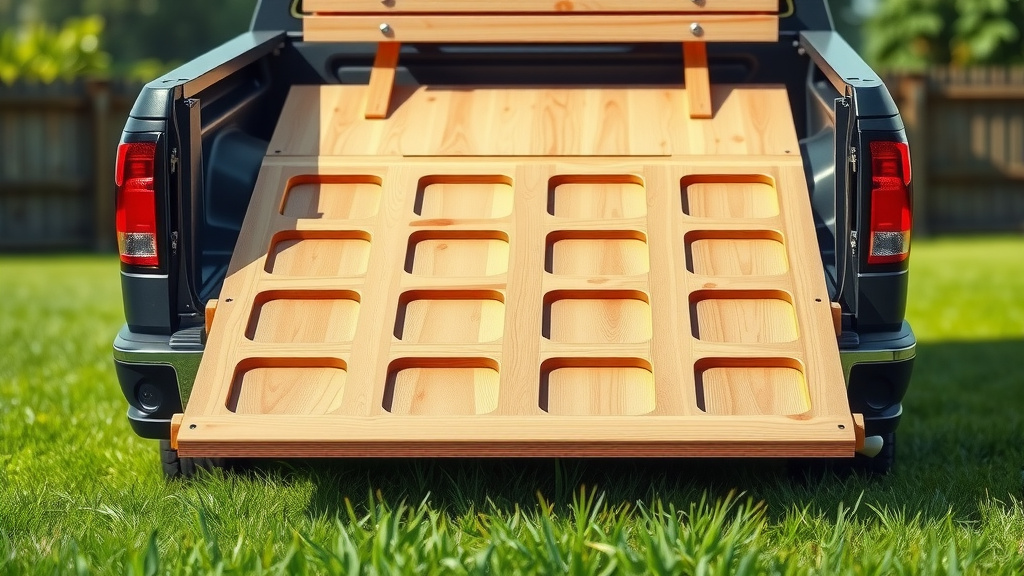
To make lawn mower ramps for your truck, you will primarily need sturdy wooden planks, such as 2×8 or 2×10 lumber, and a means to secure them to your truck bed, like steel ramp ends or heavy-duty hinges. The goal is to create a gradual incline for safe loading and unloading.
Ensure your chosen wood can support the weight of your mower and yourself. You’ll also need basic tools like a saw, drill, and screws to assemble the ramps securely.
- Making your own lawn mower ramps can save you money and provide a custom fit for your truck and mower.
- The best materials are typically strong lumber like treated pine or hardwood, combined with robust hardware.
- Proper measurements are key to creating a safe incline angle and sufficient ramp width.
- Always prioritize safety by securing your ramps firmly to the truck and adding anti-slip surfaces.
- Regularly inspect your homemade ramps for wear and store them properly to maintain their integrity.
How To Make Lawn Mower Ramps For Truck?
Making your own lawn mower ramps for a truck involves selecting the right materials and following key safety steps. You’ll focus on creating a stable, secure path. This approach helps you transport your mower with confidence.
Why Consider DIY Lawn Mower Ramps?
Building your own ramps might seem like a big project, but it offers some real benefits. Many people find it a rewarding and practical solution. It gives you a great sense of accomplishment too.
Budget-Friendly Loading Solutions
Buying commercial ramps can get expensive. When you make your own, you control the costs. You can often use readily available materials. This keeps your wallet happier in the long run.
Custom Fit for Your Needs
Every truck and lawn mower combination is a bit different. DIY ramps allow you to tailor the length and width exactly. This ensures a perfect fit. It makes loading and unloading much smoother.
Essential Materials for Your Ramp Build
Gathering the right materials is your first crucial step. Think of it like preparing for a recipe; you want all the ingredients ready. This helps avoid delays once you start building.
Picking the Right Wood for Strength
Strength is non-negotiable when building ramps. You need wood that can support heavy loads without flexing too much. Many experts suggest using pressure-treated lumber for outdoor use (USDA Forest Products Laboratory). This material resists rot and insects.
Dimensional Lumber vs. Plywood
For the main beams, dimensional lumber like 2x8s or 2x10s is preferred. Plywood can be used for the surface, but it needs strong support underneath. We found that a combination often offers the best balance of strength and surface area.
Hardware: Screws, Bolts, and Brackets
You’ll need heavy-duty hardware to hold everything together. We recommend using deck screws or carriage bolts for robust connections. Look for steel ramp ends or sturdy hinges to attach the ramps to your truck securely.
Tools You’ll Need
Having the right tools makes the job much easier and safer. You don’t need a professional workshop. A few basic items will get you started on your project.
- Circular Saw or Hand Saw
- Drill/Driver with bits
- Tape Measure
- Pencil
- Safety Glasses and Gloves
- Clamps (optional, but helpful)
Calculating Ideal Ramp Dimensions
Getting the dimensions right is paramount for safety. It’s like finding the perfect angle for a slide; too steep, and it’s dangerous. You want a gentle, manageable slope.
Understanding the Incline Angle
A good rule of thumb for ramp incline is a maximum 2:1 ratio (for every 2 feet of length, you rise 1 foot). For instance, if your truck bed is 3 feet high, your ramp should be at least 6 feet long. A longer ramp means a gentler slope.
Truck Bed Height and Ramp Length
Measure your truck’s tailgate height from the ground. This measurement directly affects your needed ramp length. A taller truck means you’ll need longer ramp planks to keep the angle shallow. This reduces the risk of your mower tipping.
Determining Ramp Width for Stability
Your ramps need to be wide enough to safely accommodate your mower’s wheels. Add a few extra inches on each side for margin. Many experts suggest a minimum of 10-12 inches wide per ramp for walk-behind mowers (Government of Alberta safety guidelines).
Building Your Lawn Mower Ramps: A Step-by-Step Guide
Now that you have your materials and measurements, it’s time to get hands-on. Breaking down the build into smaller steps makes it much less intimidating. You can tackle each part with confidence.
Preparing Your Lumber: Measuring and Cutting
Carefully measure your wood planks according to your calculated ramp length. Use a pencil to mark your cut lines clearly. Cut the lumber cleanly and precisely. We found that double-checking measurements saves a lot of headaches later on.
Assembling the Main Ramp Structure
If you’re using steel ramp ends, attach them firmly to one end of your planks. These ends typically sit on your truck’s tailgate. For homemade ends, cut an angle at the top of your planks to sit flush. Then, use screws to attach your main ramp beams to any bracing. If you’re building a wider ramp, consider cross supports for added strength. These supports prevent the ramp from bowing under weight.
Adding Supports and Reinforcements
Depending on your design, you might want to add additional supports. For instance, some people add a third plank in the middle for extra heavy mowers. Or, they might add vertical supports underneath the main planks. We found that extra bracing at critical points always improves ramp longevity and safety.
| Wood Type | Pros | Cons |
|---|---|---|
| Pressure-Treated Pine | Affordable, Rot-resistant, Readily available | Can be heavy, Might warp if not stored properly |
| Oak/Hardwood | Very strong, Durable | Expensive, Heavy, Can be harder to work with |
| Douglas Fir | Strong, Good strength-to-weight ratio | Not as rot-resistant as treated wood, Moderate cost |
Safety Enhancements for Your DIY Ramps
Safety is not an afterthought; it’s part of the design process. Adding features that prevent slips and instability is incredibly important. You want to feel secure every time you use your ramps.
Securing Ramps to the Truck Bed
Never rely on friction alone to keep your ramps in place. Use steel ramp ends that hook over the tailgate or install hinges. You might also bolt a wooden block to the bottom of the ramp that butts up against the tailgate. This prevents the ramps from slipping off, which can cause serious accidents.
Improving Traction on the Ramp Surface
Wet grass, mud, or even just smooth wood can be slippery. Consider screwing down strips of grit tape, rubber matting, or even small wood cleats across the ramp. This provides much-needed grip. A good traction surface helps prevent your mower wheels from spinning or slipping.
Tips for Safe Loading and Unloading
Even with well-built ramps, proper technique is essential. Think of it as driving; you can have a great car, but you still need to drive carefully. Your safety, and the safety of others, depends on it.
Practice Makes Perfect (with Caution)
Before loading your valuable mower, do a dry run. Walk up and down the ramps yourself. If you have a lighter, less valuable item, try loading that first. This helps you get a feel for the incline and the ramp’s stability. Always proceed with extreme caution.
Always Drive Straight Up
When loading your mower, always drive straight up the ramps. Avoid turning or adjusting your angle once on the ramp. A sudden turn can cause the mower to lose balance or fall off. We found that a steady, straight approach is the safest way to go.
Maintaining Your Homemade Mower Ramps
Your ramps, like any tool, need a little care to last. Regular checks ensure they remain safe and functional. Think of it as giving them a quick health check-up.
Regular Inspections for Wear
Before each use, quickly check your ramps for any signs of damage. Look for cracks in the wood, loose screws, or splintering. If you notice any significant wear, make repairs immediately. Don’t use damaged ramps under any circumstances.
Proper Storage for Longevity
Store your ramps in a dry place, away from direct sunlight and moisture. This helps prevent warping, rotting, or rust on metal parts. Many people store them upright against a garage wall. Proper storage extends their lifespan considerably.
Conclusion
Making your own lawn mower ramps for a truck is a rewarding project that combines practicality with safety. By choosing the right materials, carefully calculating dimensions, and focusing on secure construction, you can create durable ramps. Remember, safety features like traction surfaces and secure attachment points are non-negotiable. With proper care and maintenance, your DIY ramps will serve you well for many seasons, making your lawn care tasks a breeze. So, roll up your sleeves and get building!
How do I calculate the safest ramp length for my truck?
To calculate the safest ramp length, measure your truck bed height from the ground. Then, multiply that height by 2 for a good 2:1 incline ratio. For example, if your truck bed is 3 feet high, you’d need a ramp at least 6 feet long. This creates a gentle slope, minimizing the risk of your mower tipping.
What kind of wood is best for building strong lawn mower ramps?
Pressure-treated pine lumber (like 2x8s or 2x10s) is generally recommended for its strength, affordability, and resistance to rot and insects. While hardwoods like oak are stronger, they are also heavier and more expensive. Pressure-treated wood offers a good balance for durability and outdoor use.
How can I make my homemade ramps non-slip?
You can make your ramps non-slip by applying adhesive grit tape, screwing down strips of rubber matting, or even attaching small wooden cleats every foot or so across the ramp surface. These additions provide essential traction for your mower’s wheels, especially in wet conditions.
Do I need two separate ramps or one wide ramp for my lawn mower?
For most residential walk-behind or riding lawn mowers, two separate ramps are common and often easier to store. However, if you prefer, you can build one wide ramp. Just ensure it’s structurally sound with adequate cross supports to prevent bowing under the mower’s weight.
What are the most common mistakes people make when building DIY mower ramps?
Common mistakes include not calculating the correct incline angle (making ramps too steep), failing to secure the ramps to the truck bed (leading to slippage), not adding enough traction to the surface, and using inadequate or damaged wood. Always prioritize safety in every step of your build.
