
How To Make Lawn Mower Seat More Comfortable?
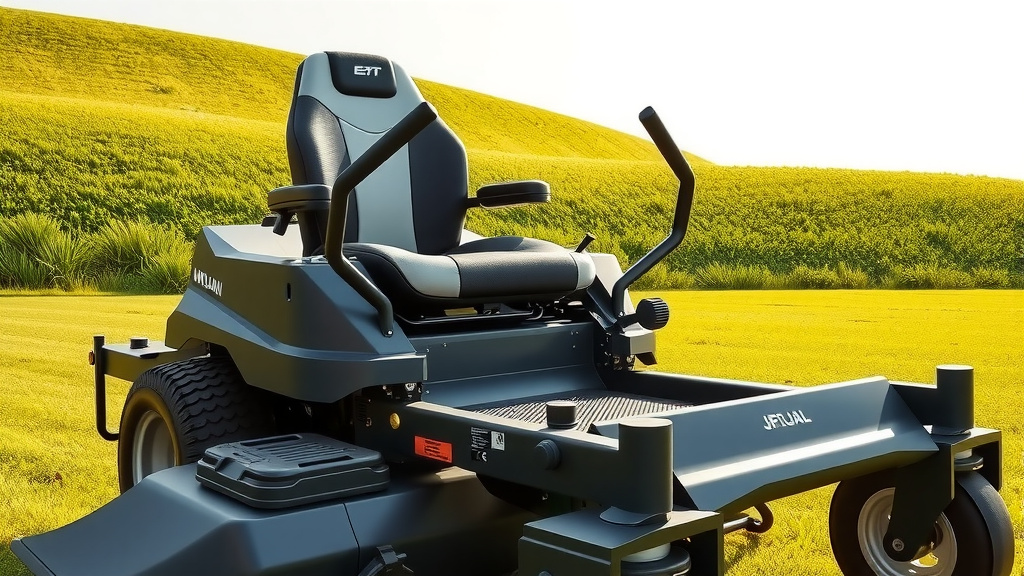
To make your lawn mower seat more comfortable, you can add a specialized cushion designed for shock absorption or install a new, ergonomically designed seat.
These upgrades reduce vibration and improve posture, making long mowing sessions much more enjoyable and less taxing on your body.
Mowing the lawn doesn’t have to be a bumpy, uncomfortable chore. If your back, shoulders, or rear ache after a ride, you’re not alone. Many people experience discomfort with standard lawn mower seats, but simple and effective solutions are available. You deserve a smooth ride, even on the bumpiest lawns!
- Invest in a quality seat cushion for immediate comfort and vibration reduction.
- Consider a full seat upgrade for better ergonomics, enhanced support, and durability.
- Check and adjust your posture while mowing to reduce strain on your back and neck.
- Regularly inspect your existing seat for wear and tear, replacing it when necessary.
- A little padding and proper adjustment can transform your mowing experience from pain to pleasure.
How To Make Lawn Mower Seat More Comfortable?
Making your lawn mower seat more comfortable often involves adding specialized padding or upgrading to a new seat with better ergonomic support and suspension.
Why Are Lawn Mower Seats So Uncomfortable?
Have you ever wondered why some lawn mower seats feel like they were designed for someone else? You’re not imagining things. Most standard seats prioritize cost and basic function over long-haul comfort for the average user.
Understanding the Comfort Problem
The primary culprits are usually vibrations, hard materials, and a lack of ergonomic design. Research shows that prolonged exposure to whole-body vibrations can lead to discomfort and fatigue (NIH). Standard seats often offer little protection against these constant bumps and jolts.
Then there’s the material. Many basic seats use stiff vinyl or plastic that doesn’t breathe well. This can lead to excessive sweating and chafing, turning a simple task into a surprisingly unpleasant experience.
Immediate Comfort Boosters: Cushions and Covers
The quickest way to improve your mowing experience is by adding a good cushion or cover. Think of it as putting on your favorite slippers after a long day – instant relief!
Choosing the Right Seat Cushion
A high-quality cushion can make a world of difference. When choosing one, look for features like good padding, non-slip bottoms, and weather resistance. Many experts suggest cushions specifically designed for tractors or heavy equipment (CDC), as they are built to withstand tough conditions.
Gel Cushions vs. Foam Pads
You have a couple of main options here. Gel cushions often provide superior pressure distribution and shock absorption, molding to your body shape. Foam pads, especially high-density memory foam, also offer good support and can be more affordable. Some research indicates that gel pads are more effective at reducing pressure points (Mayo Clinic).
Seat Covers: More Than Just Looks
While a cushion adds padding, a seat cover protects your existing seat and can offer some comfort benefits too. Some covers have additional padding built-in, while others are made of breathable mesh. This can help with airflow and prevent that sticky, sweaty feeling on hot days.
Long-Term Comfort Solutions: Seat Upgrades
If a cushion isn’t enough, it might be time for a more substantial upgrade. Replacing your entire seat can dramatically change your mowing comfort and even your posture.
When to Replace Your Entire Seat
When is it time for a new seat? If your current seat is cracked, torn, or offers zero support, that’s a clear sign. If you find yourself constantly shifting or feeling sore after even short periods, a replacement is probably overdue. Many people find a full seat replacement to be a worthwhile investment for comfort and health.
Ergonomic Seat Designs
Modern ergonomic seats are designed with your body in mind. They often feature better lumbar support, adjustable armrests, and contoured shapes that promote proper posture. We found that users often report significantly reduced back pain after upgrading to an ergonomic model.
Adding a Suspension System
For the ultimate in comfort, consider a seat with a built-in suspension system or adding a separate suspension kit. These systems absorb bumps and vibrations, much like your car’s suspension. Research suggests that vibration-dampening seats can significantly reduce whole-body vibration exposure (NIOSH), protecting your spine over time.
Posture and Ergonomics: Mowing Smarter
Even the best seat won’t help if your posture is off. Small adjustments to how you sit can make a big difference in reducing strain and discomfort.
Adjusting Your Riding Position
Sit upright, but relaxed. Ensure your feet can comfortably reach the pedals and your arms have a slight bend when holding the steering wheel. Your back should be supported by the seat’s lumbar curve, not hunched forward. Many experts suggest taking short breaks to stretch if you mow for extended periods.
Quick Posture Checklist
-
Feet flat: Can your feet comfortably reach controls?
-
Back supported: Is your lower back against the seat?
-
Arms bent: Are your elbows slightly bent when steering?
-
Shoulders relaxed: Are your shoulders down, not hunched up?
-
Head up: Is your head balanced, not strained forward?
Maintenance Tips for Seat Longevity
A well-maintained seat lasts longer and stays more comfortable. Regular cleaning and protection can extend its life and save you money down the road.
| Maintenance Task | Frequency | Benefit |
|---|---|---|
| Clean regularly with mild soap and water | After each use or weekly | Removes dirt, prevents grime buildup |
| Apply UV protectant | Monthly (if stored outdoors) | Prevents cracking and fading from sun exposure |
| Inspect for tears or cracks | Monthly | Catch small issues before they worsen |
| Tighten mounting bolts | Seasonally | Ensures stability, reduces squeaks |
DIY vs. Professional Installation
Most seat cushions and covers are straightforward DIY projects. You just place them on the seat, maybe secure a strap or two, and you’re good to go. Replacing an entire seat can be a bit more involved, but many standard seats are designed for simple bolt-on replacement.
However, if your mower has a complex suspension system or you’re unsure about the mechanics, a professional installation might be a better choice. Safety is key, and you want to ensure everything is secured properly before you start mowing again.
Conclusion
Making your lawn mower seat more comfortable is entirely possible, whether you opt for a simple cushion or a full ergonomic upgrade. By addressing factors like vibration, material, and posture, you can transform your mowing experience from a painful chore into a much more pleasant task. Remember, your comfort matters, and a small investment can yield big results in reducing strain and fatigue. Happy mowing!
FAQs
How much does a new lawn mower seat cost?
The cost of a new lawn mower seat can vary widely, from around $50 for basic replacement seats to several hundred dollars for high-end ergonomic models with suspension systems. Specialized cushions are generally much more affordable, often ranging from $20 to $100.
Can I add armrests to my current lawn mower seat?
Yes, in many cases, you can add aftermarket armrests to your existing lawn mower seat. You’ll need to check if your seat frame has pre-drilled holes or if an aftermarket kit is designed to clamp onto your specific seat model. This can significantly enhance comfort and stability.
What kind of material is best for a comfortable mower seat?
For comfort, materials that offer breathability and durability are best. High-density foam, gel inserts, and marine-grade vinyl are common. Mesh fabrics are excellent for airflow, reducing sweat and heat buildup during long hours of mowing.
Will making my seat more comfortable affect the mower’s safety?
Properly installed comfort upgrades should not affect your mower’s safety. However, always ensure any new cushion or seat is securely fastened and does not impede your access to controls or visibility. A wobbly or ill-fitting seat could be a hazard, so double-check all connections.
How often should I replace my lawn mower seat?
The lifespan of a lawn mower seat depends on usage, storage, and material quality. Generally, a seat might last 5-10 years. If you notice significant cracking, tearing, loss of padding, or increased discomfort after mowing, it’s a good indication that it’s time for a replacement.
