
How To Modify A Lawn Mower For Racing?
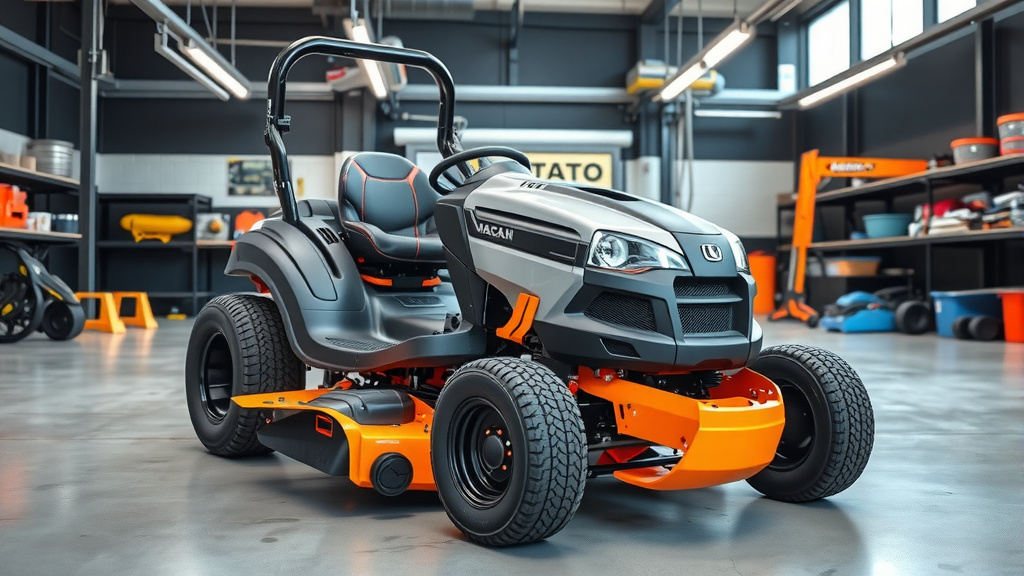
Modifying a lawn mower for racing involves a series of enhancements to its engine, chassis, and drivetrain, aiming for increased speed, improved handling, and overall safety on the track. You’ll typically focus on boosting power output, shedding weight, and refining steering and braking systems.
Before you even think about hitting the track, remember that safety is paramount; always start with a sturdy frame and ensure all modifications meet your chosen racing organization’s regulations.
Here’s a quick overview of what to expect when you dive into modifying your lawn mower for racing:
- You’ll be looking to significantly boost engine power, often replacing stock components.
- Expect to lighten the mower by removing unnecessary parts and using lighter materials.
- Enhancing the chassis and suspension is key for better handling and stability.
- You’ll need to upgrade braking and steering systems for precise control.
- Always prioritize safety, wearing proper gear, and adhering to racing rules.
How To Modify A Lawn Mower For Racing?
To modify a lawn mower for racing, you will focus on upgrading the engine for more power, strengthening the frame, improving steering and braking, and reducing overall weight. It’s a rewarding journey for any speed enthusiast.
Choosing Your Race Mower
Picking the right lawn mower is your first big step. You want a robust model with a strong frame, as it will be the foundation for all your upgrades. Think of it like choosing the right canvas for a masterpiece; a solid starting point makes everything easier.
Frame Inspection
Before any work begins, carefully inspect the mower’s frame. Look for any rust, cracks, or weaknesses. A strong frame is absolutely essential for safety and performance once you start adding power.
Prioritizing Safety Measures
Before you even dream of speed, safety comes first. This isn’t just a suggestion; it’s a non-negotiable rule. Many experts say that proper safety modifications can prevent serious injuries (Lawn Mower Racing Association guidelines).
Essential Safety Gear
You’ll need a kill switch, strong seat belts, and proper roll-over protection. These components are designed to protect you if things go sideways on the track. Don’t skimp here; your well-being is worth it.
Engine Enhancements for Speed
The engine is the heart of your racing mower. Most stock lawn mower engines aren’t built for high speeds. Your goal is to extract as much power as safely possible.
Carburetor Upgrades
Swapping out the stock carburetor for a larger one can significantly increase fuel flow. More fuel means more power, simple as that. You might need to adjust the jetting for optimal performance.
Exhaust System Tweaks
A custom exhaust system can reduce back pressure, letting the engine breathe easier. We found that a straight-pipe or performance muffler often boosts horsepower. It also gives your mower that aggressive race sound!
Ignition System Boost
Upgrading to a high-performance ignition coil and spark plug ensures a stronger, more consistent spark. This can lead to more complete combustion and a noticeable bump in power. Think of it as giving your engine a jolt of energy.
Engine Balancing and Blueprinting
Balancing internal engine components reduces vibrations and allows for higher RPMs. Blueprinting involves fine-tuning all clearances to exact specifications. Many experienced racers agree this creates a smoother, more durable engine (Engine Performance Specialists).
Chassis and Suspension Modifications
A fast engine is useless without control. Your mower needs to handle like a dream. This means major upgrades to the chassis and suspension.
Frame Reinforcement
You’ll need to weld in additional support and bracing to the frame. This prevents flexing under stress, keeping your mower stable during turns. A rigid frame translates to better handling.
Steering System Upgrades
Replacing the original steering components with stronger, more precise parts is vital. Many racers opt for a direct steering setup to eliminate play. This gives you instant feedback and control.
Suspension Tuning
Installing adjustable coil-over shocks can drastically improve ride quality and handling. You can then tune the suspension for different track conditions. A well-tuned suspension helps keep your tires glued to the ground.
Brake System Overhaul
Stock brakes are not designed for racing speeds. Upgrading to hydraulic disc brakes provides much better stopping power and control. Remember, you need to go fast, but you also need to stop fast.
Drivetrain and Power Transfer
Getting that engine power efficiently to the wheels is critical. This involves careful adjustments to your drivetrain.
Clutch and Pulley Adjustments
You’ll want to replace the stock clutch with a heavy-duty racing clutch. Adjusting pulley sizes also changes your gear ratio. This lets you fine-tune acceleration and top speed.
Gearing Ratios
Experimenting with different sprocket and pulley combinations is key. A lower ratio gives you faster acceleration, while a higher ratio provides more top-end speed. It’s a balancing act based on the track layout.
Tires and Traction
Your tires are the only part of your mower that actually touches the track. The right tires make all the difference in grip and control.
Choosing Race Tires
Forget standard lawn mower tires; you need dedicated racing tires. These often have a softer compound and specialized tread patterns for maximum grip. Some research indicates these tires can significantly reduce lap times (Motorsports Engineering Journals).
Tire Pressure Secrets
Experiment with tire pressure for optimal contact patch. Slight variations can dramatically affect how your mower handles. It’s a fine art that you’ll learn with practice.
Weight Reduction
Every pound removed makes your mower faster and improves handling. This is a simple equation: less weight equals more speed for the same power.
Stripping Unnecessary Parts
Remove anything that isn’t absolutely essential for racing. This includes the cutting deck, headlights, and any decorative shrouds. Think lean and mean.
Lightweight Components
Consider replacing heavy metal parts with lighter aluminum or composite alternatives. This could be anything from the seat to the fuel tank. Every ounce counts on the track.
Aerodynamics and Aesthetics
While often overlooked, how your mower looks can sometimes impact performance and always impacts your presence.
Bodywork and Fairings
Adding aerodynamic fairings can help reduce drag at higher speeds. This is more significant than you might think on a small vehicle. Plus, it makes your mower look incredibly cool.
Paint Job and Decals
A custom paint job and sponsor decals add to the racing persona. While it won’t make you faster, it certainly makes you feel faster. It’s all part of the fun!
Pre-Race Checklist
Before hitting the track, always run through a thorough checklist to ensure everything is ready. This helps prevent unexpected issues and keeps you safe.
- Check tire pressure on all four wheels.
- Inspect all brake lines and fluid levels.
- Tighten all nuts and bolts, especially on the engine and chassis.
- Verify the kill switch is functional and easily accessible.
- Ensure your seatbelt and roll cage are secure.
- Check fuel and oil levels.
Tuning and Testing
Modifying is only half the battle; tuning and testing refine your machine. Take your mower to a safe, closed course for test runs.
Track Day Adjustments
Pay attention to how your mower feels on the track. Does it understeer or oversteer? Does it accelerate smoothly? Make small, incremental adjustments to the suspension, gearing, and engine settings. It’s all about finding that sweet spot for your driving style and the track conditions.
Here’s a look at some common modifications compared to a stock mower:
| Component | Stock Lawn Mower | Racing Lawn Mower Modification |
|---|---|---|
| Engine | Low RPM, utility focused | High-performance, balanced, blueprinting |
| Carburetor | Small, basic fuel delivery | Larger, adjustable racing carb |
| Exhaust | Muffler for quiet operation | Straight pipe, performance header |
| Frame | Light-duty, non-stressed | Reinforced, additional bracing |
| Steering | Loose, indirect linkage | Direct, precise steering system |
| Brakes | Basic, often mechanical drum | Hydraulic disc brakes |
| Tires | Turf-friendly, low grip | Soft compound racing slicks or knobbies |
| Weight | Heavy, includes cutting deck | Stripped, lightweight components |
Conclusion
Modifying a lawn mower for racing is a thrilling and hands-on project. You’re not just building a fast machine; you’re crafting a unique racing experience. By focusing on engine power, chassis integrity, and precise control, you can transform a humble lawn mower into a formidable competitor. Always remember that safety, meticulous attention to detail, and adherence to racing rules are paramount for a successful and enjoyable journey into the world of mower racing.
What is the first step to modify a lawn mower for racing?
The very first step is to choose a suitable lawn mower with a sturdy frame and then thoroughly inspect it for any existing damage. You want a strong foundation before you begin any performance or safety modifications.
Are there specific safety rules for racing lawn mowers?
Absolutely, yes. Most racing organizations have strict safety guidelines that you must follow. These usually include requirements for roll cages, kill switches, seat belts, and proper braking systems. Always check with your local racing association for their specific rules.
Can I use my regular lawn mower engine for racing?
While you can start with a regular lawn mower engine, you’ll need to significantly modify it to be competitive. This involves upgrading components like the carburetor, exhaust, and ignition system, and often balancing the internal parts for higher RPMs and durability.
How important is weight reduction in lawn mower racing?
Weight reduction is incredibly important. Less weight directly translates to better acceleration, higher top speeds, and improved handling. Racers often strip all non-essential parts, including the cutting deck, and replace heavier components with lighter alternatives.
What type of tires should I use for a racing lawn mower?
You should use dedicated racing tires, not standard lawn mower tires. These tires are designed with softer compounds and specific tread patterns to maximize grip and traction on the racetrack. The type of tire will also depend on the track surface (dirt, asphalt, etc.).
