
How To Mow A Hilly Lawn?
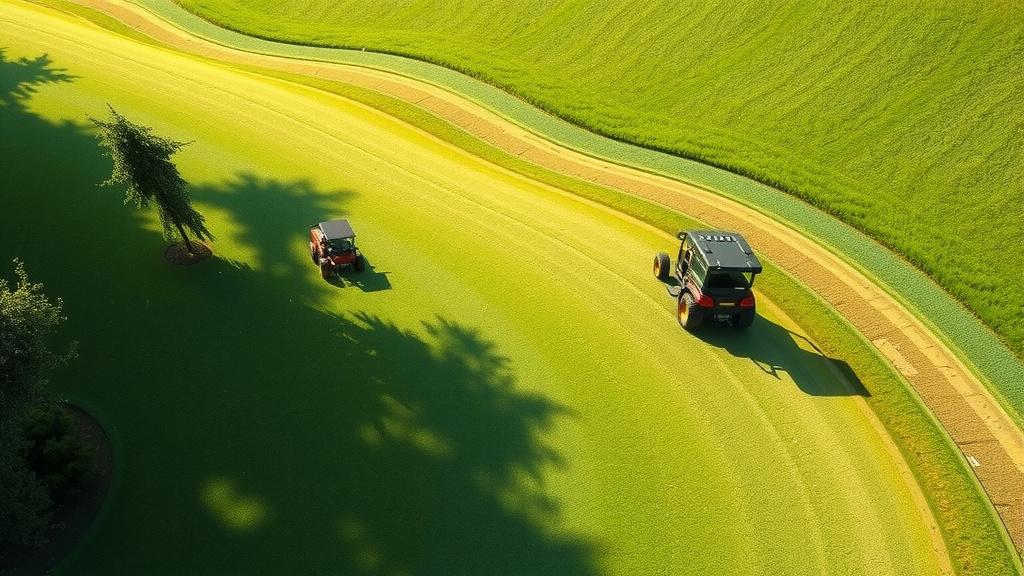
To mow a hilly lawn safely, always mow across the slope with a walk-behind mower, never up and down, and use a riding mower only if it has a low center of gravity designed for inclines.
Prioritize your safety by wearing proper gear and assessing the hill’s steepness before you even start mowing your hilly lawn.
Here’s a quick summary of what you need to know for mowing hills:
- Always put your safety first with the right protective gear.
- Choose the correct mower type suitable for your specific hill’s slope.
- Mow across the slope, not up and down, when using a walk-behind mower.
- Avoid sharp turns and never mow wet grass on any incline.
- Maintain your mower well for optimal performance and your safety.
How To Mow A Hilly Lawn?
Mowing a hilly lawn requires careful planning and the right technique to keep you safe and your grass looking great. You must prioritize your safety above all else.
Why Is Mowing Hills Different?
You might think all mowing is the same, but hills introduce a whole new challenge. Gravity becomes a serious factor, changing how your mower behaves. We found that slopes increase the risk of accidents significantly.
Imagine trying to push a heavy grocery cart uphill – it’s tough, right? Mowing a hill is similar, but with a powerful, spinning blade. You could lose your footing or even cause the mower to tip. That’s why a smart approach is key.
Your Safety Gear Checklist
Before you even think about starting your engine, let’s talk safety. Your protection is not optional; it’s essential. Many experts, including those at the Occupational Safety and Health Administration (OSHA), recommend specific gear.
- Eye Protection: Wear safety glasses or goggles. Debris can fly.
- Hearing Protection: Earplugs or earmuffs protect your hearing from loud engine noise.
- Sturdy Footwear: Boots with good traction are a must to prevent slips.
- Long Pants and Sleeves: These protect your skin from cuts, scratches, and flying grass.
- Gloves: Protect your hands and improve your grip on the mower.
Assess the Slope First
Before you commit, take a good look at your lawn’s inclines. How steep is that hill? Does it have uneven spots or hidden obstacles? Your safety truly depends on this assessment.
If the hill feels too steep to walk comfortably, it’s probably too steep to mow safely yourself. Sometimes, calling a professional service is the smartest decision for very challenging areas.
Choosing the Right Mower for Your Hill
The type of lawn mower you use makes a huge difference when tackling slopes. Not all mowers are created equal for hilly terrain. Picking the wrong one could put you in a tough spot.
| Mower Type | Best For | Considerations for Hills |
|---|---|---|
| Walk-Behind (Push/Self-Propelled) | Moderate to steep slopes | Safer for control; mow across the slope. Good traction is vital. |
| Riding (Tractor-Style) | Gentle slopes only | Risk of rollover on steeper grades. Use with caution. |
| Zero-Turn Mower | Flat to very gentle slopes | Poor stability on even moderate slopes. Not recommended for hills. |
Walk-Behind Mowers for Hills
For most residential hilly lawns, a walk-behind mower, especially a self-propelled model, is your safest bet. It gives you better control and stability.
When using a walk-behind, you’re always walking alongside it, so you can quickly react if you feel a slip or loss of traction. This type lets you keep your weight grounded as you work.
Riding Mowers on Slopes
Riding mowers, like lawn tractors, should only be used on very gentle slopes. We found that many mower manuals specifically warn against using riding mowers on steep inclines (check your specific model’s guidelines).
The high center of gravity on most riding mowers makes them prone to tipping over on steep side slopes. If you must use a rider on a very mild incline, extreme caution is necessary.
The Best Way to Mow a Hilly Lawn
Now that you’re geared up and have the right mower, let’s talk technique. This is where you can make all the difference for a safe and effective mow.
Mowing Direction Matters
This is perhaps the most important rule for hilly lawns. With a walk-behind mower, always mow across the slope. Think of it like drawing stripes horizontally across the hill.
Why across? Because if you mow up and down, and lose your footing, the mower could roll back onto you. Mowing across helps you maintain better balance and reduces the risk of the mower slipping away. For riding mowers, if your manual permits, generally mow up and down a mild slope, but across is safer if possible.
What About Wet Grass?
Avoid mowing wet grass on a hill at all costs. It’s incredibly slippery, turning your seemingly solid ground into a potential hazard. Wet grass also clogs your mower blades, making the job harder and less effective.
Always wait for the grass to be completely dry before you start. A little patience can prevent a big problem, don’t you agree?
Making Turns Safely
When you reach the end of a pass on a slope, resist the urge to make a sharp turn on the hill itself. Instead, guide your mower to a flatter part of the lawn to turn around.
This simple step prevents you from losing control or digging into the turf. Smooth, controlled movements are always better than sudden jerks on an incline.
Keeping Your Mower Ready
A well-maintained mower is a safer mower, especially on challenging terrain. Regular checks help ensure everything is working correctly, reducing unexpected issues while you’re on a slope.
Blade Sharpness is Key
A dull blade tears at the grass, leaving an unsightly, uneven cut. But more than that, a dull blade makes your engine work harder, which can be dangerous on a hill. A sharp blade cuts cleanly and efficiently.
We recommend checking your blades regularly and sharpening them at least once a season (or more, depending on use). This keeps your mower performing at its best and reduces strain on you.
When to Call a Pro
Sometimes, a hill is just too much for a DIY job. There’s no shame in recognizing your limits. Some lawns have incredibly steep grades or complex landscapes that require specialized equipment and expertise.
If you have a hill where the slope angle is more than 15-20 degrees, or if you simply don’t feel confident, it’s always best to hire a professional lawn care service. Your safety is always paramount.
Conclusion
Mowing a hilly lawn doesn’t have to be a daunting task. By choosing the right mower, wearing proper safety gear, and applying smart techniques like mowing across the slope, you can keep your lawn looking fantastic while staying safe.
Remember, patience and caution are your best tools when tackling those inclines. Always prioritize your safety and never hesitate to call in the experts for those really challenging slopes. You’ve got this!
How steep is too steep for a riding lawn mower?
Most riding lawn mower manufacturers advise against using their machines on slopes greater than 15 degrees. Going beyond this limit significantly increases the risk of the mower tipping over. Always check your specific mower’s manual for its recommended maximum slope.
Can I use a zero-turn mower on a hill?
Generally, it’s not recommended to use a zero-turn mower on anything but very gentle slopes. Zero-turns are known for their speed and maneuverability on flat terrain but have a higher center of gravity and lack the stability needed for safe operation on hills, making rollovers a real danger.
What kind of shoes should I wear when mowing a hilly lawn?
You should wear sturdy, closed-toe shoes or boots with good traction when mowing a hilly lawn. Avoid open-toed shoes, sandals, or smooth-soled athletic shoes. Work boots or hiking boots with deep treads provide the best grip and protection on uneven or sloping ground.
Is it okay to mow a steep hill if the grass is a little wet?
Absolutely not. Mowing a steep hill with wet grass is extremely dangerous. Wet grass is slippery, increasing your risk of losing your footing or the mower sliding out of control. It also clogs the mower blades, leading to a poorer cut and extra strain on the machine. Always wait for the grass to be dry.
Should I push or pull a walk-behind mower when going up a slope?
When using a walk-behind mower on a slope, you should always push it across the slope, not directly up or down. If you’re on a very slight incline where an up-and-down motion is acceptable (for specific self-propelled models), you would still push it uphill and allow the mower to naturally slow or pull it back downhill with extreme caution.
