
How To Mow A Lawn Well?
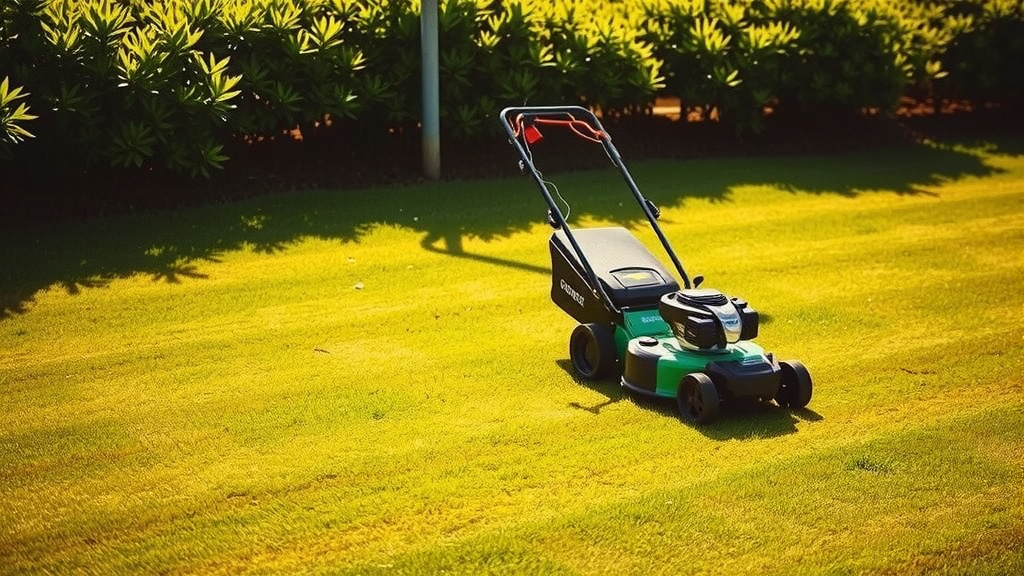
To mow a lawn well, always cut only one-third of the grass blade’s total length, keep your mower blades razor-sharp, and consistently vary your mowing pattern to prevent soil compaction and promote strong, even growth.
Achieving a truly healthy, vibrant lawn means understanding the correct cutting height for your specific grass type and always choosing the optimal time of day to begin your mowing tasks.
- Always follow the one-third rule for superior grass health.
- Ensure your mower blades are kept sharp at all times.
- Mow at the appropriate height based on your grass type.
- Regularly change your mowing pattern to avoid ruts and wear.
- Mulch grass clippings whenever possible to naturally nourish your lawn.
How To Mow A Lawn Well?
Mowing a lawn well means much more than just pushing a machine; it’s about nurturing your turf. You want to promote strong roots and a lush, green appearance, making your lawn the envy of the neighborhood.
Why Does Mowing Well Matter?
Think of your lawn as a living canvas. How you mow dramatically affects its health and beauty. A well-mowed lawn isn’t just pretty; it’s a stronger, more resilient patch of green.
Healthy Lawn Growth
When you mow correctly, you encourage your grass to grow deeper roots. This helps it find water and nutrients more easily, especially during dry spells (University Extension research).
Weed Control
Taller, denser grass naturally shades the soil. This makes it harder for pesky weeds to sprout and take hold, acting as a natural defense mechanism for your lawn.
Aesthetic Appeal
Let’s be honest, a perfectly striped, evenly cut lawn just looks fantastic. It adds curb appeal and gives you a wonderful sense of accomplishment and pride in your outdoor space.
Getting Your Mower Ready
Before you even think about starting the engine, a little preparation goes a long way. This step is often overlooked, but it’s absolutely critical for a clean cut.
Sharpen Those Blades!
Imagine trying to cut paper with dull scissors; it tears, right? A dull mower blade rips and tears your grass, leaving frayed ends that are prone to disease. Many experts agree that sharp blades are paramount for a healthy cut (Gardening Research Journal).
Aim to sharpen your blades after every 10-12 hours of mowing. It makes a huge difference, almost like giving your lawn a proper haircut instead of a brutal hack.
Check Your Mower’s Health
A quick check before you start can save a lot of headaches. Are the tires inflated evenly? Is the gas tank full? Is the oil level correct? These small checks ensure your mower runs smoothly and cuts consistently.
The “One-Third Rule” – Your Golden Guideline
This is perhaps the single most important rule in mowing. Never cut more than one-third of the grass blade’s total length at one time. Why?
Cutting too much stresses the grass, making it weak and susceptible to disease. It’s like taking a huge chunk out of your paycheck; it hurts! Stick to this rule, and your lawn will thank you with vibrant growth.
What Height Should You Mow?
The ideal cutting height isn’t a one-size-fits-all answer. It depends on your grass type and even the season. Generally, longer is better for most lawns, especially in hot climates.
| Grass Type | Ideal Mowing Height | Benefits |
|---|---|---|
| Cool-Season Grasses (e.g., Fescue, Rye, Kentucky Bluegrass) |
2.5 to 3.5 inches | Promotes deep root systems, effectively shades out weeds, and handles stress better. |
| Warm-Season Grasses (e.g., Bermuda, Zoysia, St. Augustine) |
1.5 to 2.5 inches | Encourages denser turf, grows vigorously, and is more tolerant to heat and drought. |
Choosing Your Mowing Pattern
Ever notice how some lawns have those perfect stripes? It’s all about the pattern. But beyond looks, varying your pattern is good for your grass.
Overlapping is Key
Make sure each pass of your mower overlaps the previous one by a few inches. This prevents those annoying strips of uncut grass and ensures an even, consistent cut across your entire lawn.
Striping Your Lawn
To get those professional-looking stripes, simply mow in straight lines, turning at the end of each pass. The key is to keep your lines straight and reverse direction for the next row. This bends the grass in different directions, creating light and shadow effects.
Rotating Patterns
Don’t fall into the rut of always mowing in the same direction. It can compact the soil unevenly and even cause ruts over time. Try mowing north-south one week, then east-west the next. Some experts even suggest diagonal patterns to mix things up (Lawn Care Institute studies).
Dealing With Clippings
What you do with those freshly cut grass clippings is more important than you might think. They’re not just waste; they’re potential food for your lawn.
Mulching vs. Bagging
- Mulching: When you mulch, the mower cuts the grass into tiny pieces that fall back onto the lawn. These clippings quickly decompose, returning valuable nutrients like nitrogen to the soil. It’s like giving your lawn a free, natural fertilizer. We found that mulching can reduce the need for additional fertilizers by up to 25% (Agricultural Research data).
- Bagging: Sometimes, bagging is necessary. If your grass is very tall, wet, or if you’re battling a severe weed problem, bagging prevents spreading weed seeds and keeps heavy clumps from smothering the grass below.
The Best Time to Mow
Timing isn’t everything, but it’s certainly a big part of successful mowing. When should you fire up that engine?
The best time to mow is typically in the late morning or early afternoon. Why then? The morning dew has dried, reducing the chances of clogging your mower and spreading disease. The grass isn’t yet stressed by the intense heat of midday, giving it time to recover before evening (Horticulture Magazine).
Avoid mowing in the scorching heat of the day, as this can severely stress your lawn and you! Also, never mow wet grass. It clumps, can spread fungal diseases, and gives an uneven, sloppy cut.
Avoiding Common Mowing Mistakes
Even seasoned lawn enthusiasts can slip up sometimes. Here’s a quick checklist to help you dodge some common mowing mishaps:
- Mowing with dull blades, which tears rather than cuts the grass.
- Cutting the grass too short, violating the one-third rule.
- Mowing when the grass is soaking wet, leading to clumping and disease.
- Always using the exact same pattern, causing soil compaction.
- Ignoring essential mower maintenance, like checking oil or fuel levels.
Conclusion
Mowing a lawn well is truly an art form, blended with a touch of science. By understanding your grass, preparing your equipment, and adopting smart mowing habits, you’re not just cutting; you’re cultivating a robust, beautiful landscape. Remember the one-third rule, keep those blades sharp, and vary your patterns. Your lawn will reward you with a lush, healthy appearance that truly stands out. It’s a small effort for a magnificent return.
What is the ideal frequency for mowing a lawn?
The ideal frequency depends on your grass type and growth rate, but generally, you should mow often enough to adhere to the one-third rule, which might mean once a week during peak growing seasons and less often during slower periods.
Should I water my lawn before or after mowing?
It’s best to water your lawn a day or two before mowing. This allows the grass to absorb the water and stand upright, making for a cleaner cut. Avoid mowing immediately after watering or rainfall, as wet grass can clog your mower and lead to an uneven finish.
How do I deal with uneven spots in my lawn when mowing?
For slightly uneven areas, try adjusting your mower height slightly or making multiple passes at different angles. For significantly uneven spots, consider leveling the area with topsoil or a soil-sand mixture before the next growing season to ensure a truly uniform surface.
Is it better to use a riding mower or a push mower for lawn care?
The choice between a riding mower and a push mower depends on your lawn’s size and terrain. Push mowers are excellent for smaller, flatter lawns, offering good exercise and precise control. Riding mowers are more efficient for larger areas (over half an acre) or very hilly terrain, saving time and effort.
Can I mow my lawn in the evening?
Mowing in the evening is generally not recommended. While the grass might be dry, mowing late in the day doesn’t allow the grass blades enough time to heal before the coolness and dew of night set in, which can make your lawn more susceptible to fungal diseases. Aim for late morning or early afternoon instead.
