
How To Mow A Rocky Lawn?
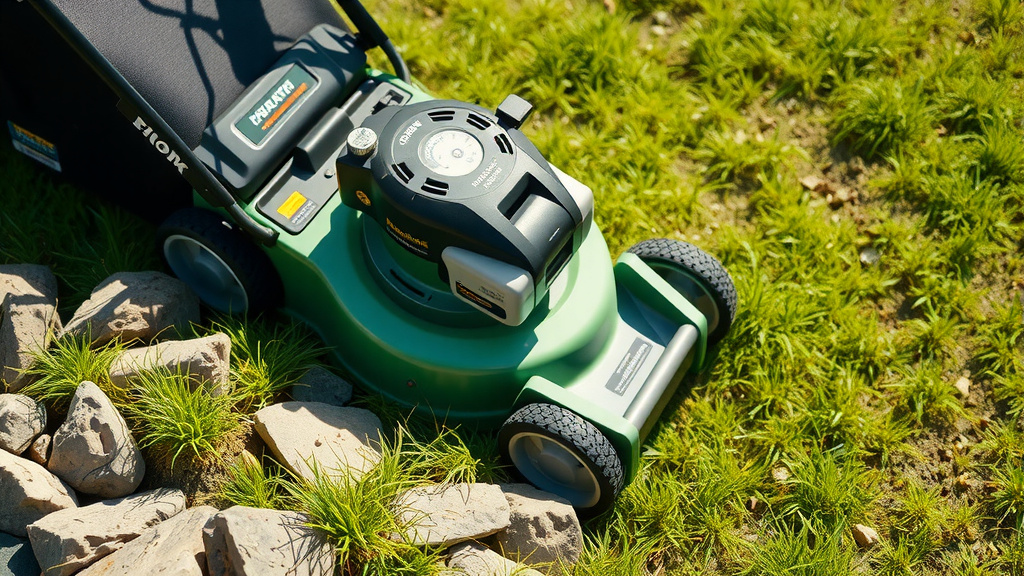
To mow a rocky lawn safely, your top priorities are always preparation and personal protection. Clear visible rocks, wear sturdy boots and eye protection, and consider a push mower or one with a higher deck setting.
Using the right mower for rocky terrain, often a robust push mower or a model with durable blades, helps prevent damage to your equipment and ensures a cleaner, safer cut.
- Get prepared first: Always clear visible rocks and wear safety gear before starting.
- Choose wisely: A push mower with a high deck setting is often best for rocky areas.
- Go slow: Reduce your mowing speed significantly to react to hidden hazards.
- Check your blades: Inspect and sharpen or replace blades regularly due to rock impacts.
- Consider alternatives: For very rocky spots, ground cover or manual rock removal might be safer options.
How To Mow A Rocky Lawn?
Mowing a rocky lawn can feel like navigating a minefield, but with the right approach and careful preparation, you can achieve a neat yard without damage or injury. The secret lies in understanding your terrain and adapting your mowing strategy.
Why is Mowing Rocky Lawns a Challenge?
Rocky lawns pose unique challenges that differ from a smooth, manicured lawn. The presence of stones, big or small, can turn a routine chore into a risky operation. We found that hitting a rock can cause significant damage to your mower’s blades, engine, and deck.
Beyond equipment damage, rocks can become dangerous projectiles. They can fly out from under the mower at high speeds, posing a serious threat to you, your family, or nearby property. Many experts emphasize safety above all else when dealing with such conditions (OSHA).
The Dangers of Neglecting Preparation
Skipping preparation steps can lead to costly repairs and potential accidents. Imagine a rock shooting towards your shins or shattering a window. It sounds dramatic, but these are real risks. Taking a few minutes beforehand can save you hours of trouble later.
Preparation is Your Best Friend
Before you even think about starting your mower, thorough preparation is non-negotiable. This stage sets the tone for a safe and effective mowing session. It’s about proactive care for both you and your equipment.
Clearing Visible Rocks and Debris
Walk your lawn thoroughly before each mow. Pick up any rocks, sticks, toys, or other debris that could be hit by the mower blades. Think of it like a treasure hunt, but the treasure is safety. Even small pebbles can cause big problems.
Many lawn care experts suggest doing this walk-through every time, especially if you have children or pets who might leave things behind. This simple step is perhaps the most important in preventing accidents and mower damage.
Personal Protective Equipment (PPE) Checklist
Your safety is paramount. When dealing with rocky terrain, the risk of flying debris increases significantly. Don’t skip these essential items, even if it’s a quick mow.
- Safety Glasses or Goggles: Protect your eyes from fast-moving rocks.
- Sturdy Boots or Work Shoes: Safeguard your feet from impacts.
- Long Pants: Offer a layer of protection for your legs.
- Hearing Protection: Mowers are loud, and some experts suggest protecting your hearing during extended use (NIH).
Choosing the Right Mower for Rocky Terrain
Not all mowers are created equal when it comes to tackling rocky lawns. Selecting the appropriate type can make a world of difference in safety, efficiency, and the longevity of your machine. You need a mower that can handle tough conditions.
Mower Types to Consider
When you have a rocky lawn, your choice of mower becomes more critical. Some types are simply better suited for the challenge. We found that push mowers often offer the most control in these situations.
A push mower allows you to guide it precisely and react quickly if you spot a hidden rock. While riding mowers cover ground faster, they can be harder to maneuver around unexpected obstacles. Robotic mowers are generally not recommended for truly rocky areas due to their sensitivity.
Understanding Mower Deck Height
Always set your mower deck to its highest possible setting. This creates more clearance between the blades and the ground, reducing the chance of striking rocks. A higher cut might seem less tidy at first, but it’s much safer for your mower and yourself.
You can always do a second pass at a slightly lower setting once you’ve removed the initial risk. This two-step process can be very effective for achieving a neat look on challenging lawns.
Blade Choices and Impact Resistance
Standard mower blades are designed for grass, not rocks. Hitting a rock can chip, bend, or even shatter a blade. Some blades are marketed as “heavy-duty” or “high-lift,” but even these have limits. Look for blades that are thicker and more robust.
Many experts recommend keeping a spare set of blades on hand if you have a rocky lawn. You’ll likely need to replace them more frequently due to wear and tear from accidental rock encounters. Regular inspection is key.
Techniques for Mowing a Rocky Lawn
Once your lawn is clear and your mower is ready, it’s time to adapt your mowing technique. This isn’t a race; it’s a careful operation. Think of yourself as a careful pilot navigating a tricky landing strip.
Slow and Steady Wins the Race
Reduce your mowing speed significantly. A slower pace gives you more time to spot rocks you might have missed during your walk-through. It also reduces the force of impact if you do hit something, minimizing damage and the risk of projectiles.
Many homeowners tend to rush mowing, but on a rocky lawn, patience is a virtue. Consider it a deliberate, mindful activity where focus is rewarded with safety.
Overlapping Passes and Mowing Patterns
Instead of rushing, make slightly overlapping passes. This ensures you cover all areas without missing spots, and helps you keep a steady, controlled pace. We often find that a grid pattern works well, but adapting to the contours of your yard is important.
Try to mow in a pattern that allows you to clearly see the ground ahead of the mower. Don’t just blindly push forward. Your eyes should be scanning for potential hazards constantly.
Here’s a quick comparison of mower suitability for rocky lawns:
| Mower Type | Pros for Rocky Lawns | Cons for Rocky Lawns |
|---|---|---|
| Push Mower | Excellent control, easy to maneuver, lower cost to repair. | Requires more physical effort, slower for large areas. |
| Self-Propelled Mower | Good balance of power and control, less effort than push. | Can still be heavy, less nimble than a basic push mower. |
| Riding Mower | Covers large areas quickly, comfortable. | Less precise control, higher repair costs if rocks are hit, harder to spot small rocks. |
| Zero-Turn Mower | Highly maneuverable, efficient for complex yards. | Very fast, making it easy to hit rocks accidentally, high initial cost. |
Post-Mowing Care for Your Mower
After you’ve finished mowing, your work isn’t quite done. Regular inspection and maintenance are vital, especially when your mower has been operating in a challenging, rocky environment. This helps extend the life of your equipment.
Blade Inspection and Maintenance
Always inspect your blades after mowing a rocky lawn. Look for chips, bends, or cracks. Even minor damage can lead to an uneven cut and put stress on your mower’s engine. A dull or damaged blade is also less efficient.
Many experts suggest sharpening or replacing blades more often than usual if you consistently mow rocky areas. Keeping your blades in top shape improves performance and safety (Consumer Reports).
Cleaning Your Mower Deck
Grass clippings, dust, and small rock fragments can accumulate under the mower deck. This buildup can reduce airflow, affect cutting performance, and even lead to rust. Clean the underside of your deck regularly.
Always disconnect the spark plug before cleaning the underside of your mower. This simple step prevents accidental starts and keeps you safe. A clean deck ensures your mower runs more efficiently.
Long-Term Solutions and Alternatives
If your lawn is exceptionally rocky, you might consider long-term strategies to reduce the problem or explore alternative landscaping solutions. Sometimes, a different approach is the best approach.
Systematic Rock Removal
For areas with a high density of rocks, consider a systematic rock removal project. This could involve manually digging them out or even using specialized equipment for larger stones. It’s a big job, but it could make future mowing much easier and safer.
Research often connects thorough ground preparation with long-term lawn health and easier maintenance (USDA).</ Investing time now can save you headaches for years to come.
Ground Covers and Landscaping
Some particularly rocky sections of your yard might be better suited for ground covers, flower beds, or even gravel paths. These areas won’t require mowing, eliminating the risk entirely. Sometimes, a change in landscaping design makes all the difference.
Pre-Mowing Safety Checklist
Before you start your engine, run through this quick checklist:
- Did you walk the lawn and clear visible rocks?
- Are you wearing safety glasses/goggles?
- Are your feet protected with sturdy boots?
- Is your mower deck set to the highest possible height?
- Have you checked your blades for damage recently?
Conclusion
Mowing a rocky lawn doesn’t have to be a daunting task. By prioritizing preparation, choosing the right equipment, and adopting a careful approach, you can maintain your yard safely and effectively. Remember, patience and vigilance are your greatest tools when navigating challenging terrain. Protect yourself and your equipment, and you’ll keep your lawn looking great without the stress.
What kind of mower is best for extremely rocky terrain?
For extremely rocky terrain, a robust push mower or a self-propelled mower often provides the best control and maneuverability. These allow you to adjust speed and direction quickly, helping you avoid hidden obstacles more effectively than larger riding mowers.
Can a robotic mower handle a rocky lawn?
Generally, robotic mowers are not ideal for rocky lawns. They are designed for relatively smooth, clear surfaces and can easily get stuck, damage their blades, or be thrown off course by rocks. You’ll likely encounter more issues than benefits.
How often should I inspect my mower blades if I have a rocky lawn?
If you regularly mow a rocky lawn, it’s wise to inspect your mower blades after every use. Rocks can quickly dull, chip, or bend blades, impacting cutting quality and mower performance. Frequent checks help you catch damage early.
Is it better to leave the grass higher on a rocky lawn?
Yes, it is generally much safer to leave the grass higher on a rocky lawn. Setting your mower deck to its highest position increases the clearance between the blades and the ground, significantly reducing the chance of hitting rocks and causing damage or injury.
What should I do if I accidentally hit a rock with my mower?
If you hit a rock, immediately turn off the mower and disconnect the spark plug. Inspect the blades for damage (bends, chips, cracks) and check the mower deck for any dents or structural issues. Do not resume mowing until you’ve ensured everything is safe and functional, replacing any damaged parts.
