
How To Mow Lawn Efficiently?
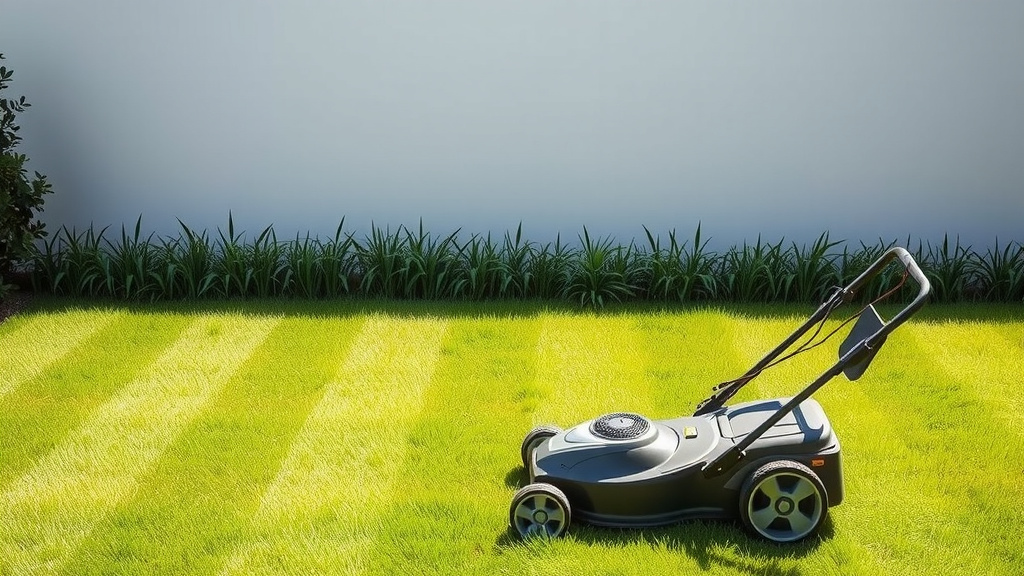
To mow your lawn efficiently, focus on using a sharp blade, setting the correct cutting height (the “rule of thirds”), and varying your mowing pattern each time you cut.
An efficient mowing strategy not only saves you time and effort but also promotes a significantly healthier, more vibrant lawn that truly thrives.
- Get your lawn ready: Clear debris and ensure it’s dry.
- Choose the right tools: A sharp blade and the correct mower type make a huge difference.
- Master your technique: Use the “rule of thirds” and change your mowing pattern.
- Decide between mulching and bagging based on your lawn’s needs.
- Always clean your mower after each use for longer life.
How To Mow Lawn Efficiently?
Mowing your lawn efficiently means getting the best cut in the shortest time, with the least effort, and for the long-term health of your grass.
It’s about making smarter choices, from preparation to post-mow care, that make your yard work truly pay off.
Why Does Efficient Mowing Matter?
You might think mowing is just mowing, right? But there’s a real difference between just cutting grass and actually nurturing your lawn.
Efficient mowing isn’t just a chore; it’s a craft that rewards you with a beautiful, healthy outdoor space.
Saving Time and Effort
No one wants to spend their entire Saturday wrestling with a mower. When you mow efficiently, you cut down on the time and physical strain involved.
Imagine having more free time for relaxing, thanks to a smarter approach to lawn care.
Healthier Lawn Growth
A well-mowed lawn isn’t just pretty; it’s stronger. Proper techniques help your grass grow thicker, healthier, and more resistant to weeds and pests.
It’s like giving your lawn a vitamin boost every time you trim it.
Preparing Your Lawn for the Perfect Cut
Think of it like cooking a great meal. You wouldn’t start without good ingredients and a clean kitchen, would you?
Preparing your lawn properly is the first, most important step to an efficient mow.
Clear the Deck
Before you even start your engine, take a moment to walk your lawn. Pick up any toys, branches, rocks, or other debris.
This simple act protects your mower’s blades from damage and keeps dangerous projectiles from flying around (Horticultural Research guidelines).
Check for Dryness
Resist the urge to mow a wet lawn. Wet grass clogs your mower, clumps together, and can lead to an uneven cut.
It also spreads fungal diseases easily. Wait until the grass is dry to the touch for the best results.
Choosing the Right Mower and Blade
Your tools are half the battle. The right mower for your yard size and a razor-sharp blade are non-negotiable for efficient mowing.
It’s like trying to cut steak with a butter knife – frustrating and ineffective.
Mower Type Matters
Do you have a small urban patch or a sprawling suburban estate? Your lawn size dictates the best mower for you.
Push mowers are great for smaller spaces, while self-propelled or riding mowers save effort on larger areas.
The Sharpness Secret
A dull blade rips and tears grass blades, leaving jagged edges that turn brown and invite disease.
A sharp blade gives a clean, precise cut, helping your grass recover faster and look greener (Agricultural Extension research).
| Mower Type | Best For | Key Benefit |
|---|---|---|
| Push Mower | Small to Medium Lawns | Great exercise, lower cost |
| Self-Propelled Mower | Medium to Large Lawns | Reduces pushing effort significantly |
| Riding Mower | Very Large Lawns, Acreage | Fastest for big areas, comfort |
The Art of the Mow: Techniques for Efficiency
Once you have your clean, dry lawn and sharp tools, it’s time to put your technique to work.
These simple steps will transform your mowing from a chore into a highly effective operation.
The “Rule of Thirds”
Never remove more than one-third of the grass blade’s total height in a single mow. Cutting too much at once stresses the grass severely.
This rule promotes deeper root growth and keeps your lawn looking lush (Many gardening experts agree).
Varying Your Pattern
Always mowing in the same direction can compact the soil and create ruts. Think of it like walking the same path every day.
Change your pattern each time: go north-south one week, then east-west the next. This ensures an even cut and healthy soil.
Overlapping for Perfection
Make sure each pass of your mower slightly overlaps the previous one, by about two to four inches.
This simple trick prevents unsightly uncut strips and ensures your entire lawn gets a uniform trim.
Mulching vs. Bagging: What’s Best?
After you cut the grass, what do you do with the clippings? This choice can also impact your lawn’s health and your mowing efficiency.
Both options have their merits, depending on the situation.
The Mulching Advantage
Mulching mowers finely chop grass clippings and return them to the lawn. These small pieces quickly decompose, returning vital nutrients to the soil.
It’s like a free, natural fertilizer and saves you the trouble of bagging (University Extension research).
When to Bag
Sometimes, bagging is the better choice. If your lawn is overgrown, or if you have a lot of weeds going to seed, bagging can prevent their spread.
Bagging also helps remove thatch buildup, which is a layer of organic debris that can harm your lawn.
- Mulching Benefits:
- Returns nutrients to the soil
- Reduces need for chemical fertilizers
- Saves time on bagging and disposal
- Helps retain soil moisture
Post-Mow Care for Lasting Beauty
Your work isn’t quite finished when the last blade is cut. A little post-mow care goes a long way in maintaining your equipment and your lawn.
It’s about preserving your investment and preparing for next time.
Cleaning Your Mower
Always clean the underside of your mower deck after each use. Built-up grass clippings can cause rust and reduce blade efficiency.
A quick scrape with a stick or hose-down extends your mower’s life and keeps it running smoothly.
Checking Fuel and Oil
Before storing, check your fuel and oil levels. Refill as needed, or consider adding a fuel stabilizer if storing for a long period.
This simple habit prevents future headaches and ensures your mower is ready for its next task.
Efficient Mowing Quick Guide:
- Clear debris from the lawn before mowing.
- Ensure grass is completely dry.
- Always use a very sharp mower blade.
- Follow the “rule of thirds” for cutting height.
- Vary your mowing pattern each time.
- Consider mulching clippings for nutrients.
Conclusion
Mowing your lawn efficiently isn’t just about faster cuts; it’s about fostering a healthier, more beautiful lawn with less effort and frustration. By following these practical steps – from careful preparation and choosing the right tools to mastering your technique and smart post-mow care – you’ll transform your lawn care routine.
You’ll enjoy a vibrant green space and reclaim your precious free time. Isn’t that what every homeowner dreams of?
What is the best time of day to mow your lawn?
The best time to mow your lawn is generally in the late morning (after dew has evaporated) or late afternoon. This avoids the stress of midday heat, allowing the grass to recover more easily.
How high should I set my mower blade?
Most cool-season grasses do best when cut to 2.5-3 inches, while warm-season grasses can be slightly higher, 2-3 inches. The key is to never cut more than one-third of the grass blade’s total height at one time.
Should I bag or mulch my grass clippings?
Mulching is often preferred because it returns valuable nutrients to the soil, acting as a natural fertilizer. Bagging is better for removing excessive clippings, managing weeds, or preventing the spread of disease from an unhealthy lawn.
How often should I sharpen my mower blade?
For optimal results and a clean cut, aim to sharpen your mower blade at least once a season. If you mow frequently or have a large lawn, consider sharpening it two or three times a year, or after about 25 hours of use.
Can I mow my lawn in the rain?
It’s best to avoid mowing in the rain or when the grass is wet. Wet grass can clog your mower, lead to an uneven cut, and potentially spread diseases. It can also be slippery and dangerous for you.
