
How To Mow Sloped Lawn?
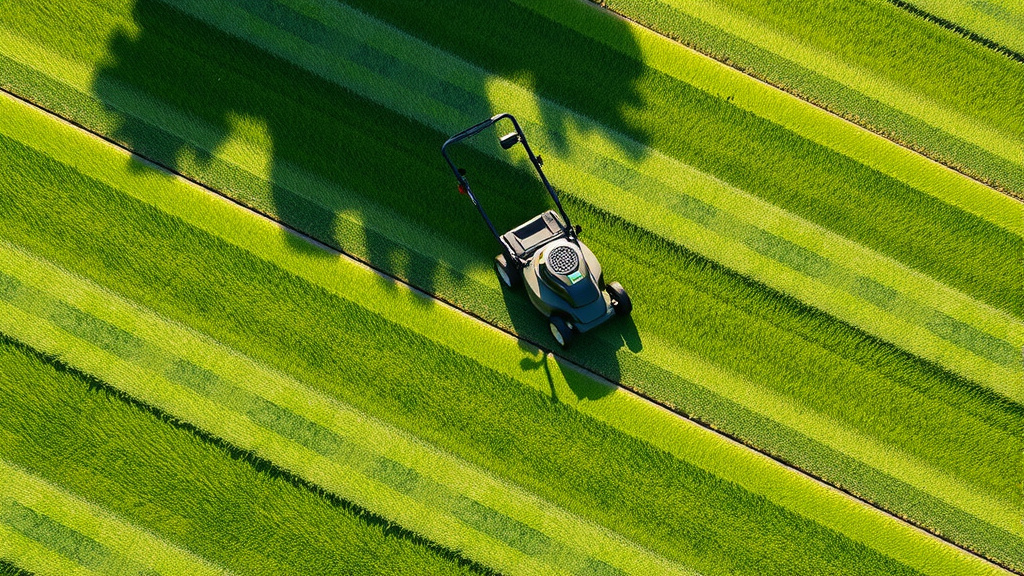
To mow a sloped lawn safely, use a walk-behind mower and push it across the slope, not up and down, to maintain control and prevent loss of footing.
If you are using a riding mower, drive it up and down the slope, never across, to prevent dangerous rollovers and ensure the machine remains stable.
For those needing a quick overview of how to mow sloped lawn challenges, here is the TL;DR:
- Always prioritize your safety: carefully assess the slope, wear protective gear, and stay focused.
- Employ the correct mowing method: push walk-behinds across the slope, drive riding mowers up and down.
- Prepare your yard thoroughly by removing obstacles and ensuring the grass is completely dry.
- Think about professional help or other landscaping solutions for excessively steep areas.
- Keep your mower well-maintained; a sharp blade and good engine make a safer job.
How To Mow Sloped Lawn?
Mowing a sloped lawn demands extra caution and a specific technique to keep you safe and your lawn looking great. It is all about stability and control.
Navigating inclines can feel a bit like a dance. You need to know your steps to avoid a tumble or damaging your mower. Let’s break down how to tackle those tricky hills.
Safety First: Your Golden Rule
Before you even think about starting your engine, your personal safety comes first. Slopes are not to be taken lightly; they can be quite dangerous. Many incidents occur from a lack of proper preparation (OSHA).
Assess the Slope
Look at your lawn. Is it a gentle rise or a really steep hill? You need to determine the gradient. If it feels too steep to walk comfortably, it is likely too steep to mow safely with certain equipment. Trust your gut feeling on this.
Consider the terrain itself. Are there hidden rocks, roots, or holes? These can easily throw you off balance or cause your mower to snag. A quick walk-through helps prevent nasty surprises.
Gear Up for Safety
You would not go mountain climbing in flip-flops, right? The same goes for mowing. Wear sturdy, closed-toe shoes with good grip. Long pants and safety glasses are also a smart choice to protect from flying debris.
Gloves can prevent blisters and give you a better hold on your mower. We found that wearing ear protection is also a good idea, as mowers can be surprisingly loud, especially for extended periods (NIH).
Choosing the Right Mower for Slopes
Not all mowers are created equal for tackling hills. The type of mower you have often dictates your approach. Matching the tool to the task makes a world of difference.
Walk-Behind Mowers
If you have a walk-behind mower, you will need to push it yourself. These are often preferred for slopes because you stay on your feet, offering better personal control and balance. Look for models with good traction.
Riding Mowers
Riding mowers can handle some slopes, but they come with a higher rollover risk. They are generally better for larger, gentler slopes. Always check your mower’s manual for its recommended maximum incline.
Many experts say that if the slope is too steep for a riding mower, consider other options. Your safety is not worth the risk.
Here is a quick comparison to help you decide:
| Mower Type | Best for Slope Angle | Key Advantage | Key Disadvantage |
|---|---|---|---|
| Walk-Behind (Push) | Moderate (up to 15-20 degrees) | Operator control and stability | Can be physically demanding |
| Walk-Behind (Self-Propelled) | Moderate to Steep (up to 25 degrees) | Easier to push, still good control | Can pull you if you lose footing |
| Riding Mower (Zero-Turn) | Gentle (up to 10-15 degrees) | Fast for large, flatter areas | High rollover risk on steeper slopes |
| Riding Mower (Tractor) | Gentle (up to 10-15 degrees) | Comfortable for large areas | Rollover risk, stability issues on steeper grades |
Master the Mowing Technique
Now, let us talk about the actual mowing. The technique you use is crucial for both safety and a good cut. There are different rules for different mower types.
The “Across the Slope” Method (Walk-Behind)
When using a walk-behind mower, you should always mow across the slope. Think of it like mowing in horizontal strips. Why? If the mower starts to slide, it will slide away from you, not directly over you.
This method helps you maintain firm footing and balance. If you push it up and down, you risk losing your grip and having the mower roll back down on you. Take small, careful steps.
The “Up and Down” Method (Riding Mower)
Riding mowers follow the opposite rule: mow straight up and down the slope. This keeps the mower’s weight evenly distributed and its center of gravity stable.
Driving across a slope in a riding mower can cause it to tip over, which is incredibly dangerous. It is a common cause of serious accidents, as research consistently shows (CDC).
Smart Mowing Patterns
Start at the bottom of the slope and work your way up. This way, if you slip, you are moving away from the mowed area, not into it. Always be aware of where you are stepping and the mower’s position.
Overlap your passes slightly. This ensures an even cut and avoids any missed spots. Take your time, there is no need to rush on an incline.
Prepare Your Lawn for Success
A little preparation goes a long way, making the job safer and more efficient. Think of it as setting the stage for a smooth performance.
Clear the Path
Before you start, walk your slope and clear away any sticks, toys, rocks, or other debris. A hidden obstacle can be hazardous, causing you to trip or sending projectiles flying from the mower blade.
Dry Conditions are Best
Never mow a wet slope. Wet grass is slippery for both you and your mower. The tires lose traction easily, and you could slip and fall. Wait for the grass to be completely dry, typically in the late morning or afternoon.
Set the Right Height
Mow your grass a little higher on slopes. Taller grass provides a better root system, which helps prevent erosion on inclines. Plus, cutting too short can stress the grass (Purdue Extension).
Essential Safety Checklist Before You Start
A quick mental run-through or even a physical check of these items can save you from a world of trouble. Your peace of mind is worth it.
-
Wear proper safety gear (sturdy shoes, long pants, eye protection).
-
Clear all debris from the slope.
-
Ensure the grass is dry.
-
Check mower fuel and oil levels.
-
Familiarize yourself with the mower’s controls and emergency shut-off.
-
Inform someone you are mowing, especially if working alone.
What If Your Slope is Too Steep?
Sometimes, a slope is just too much for even the most careful homeowner. There is no shame in admitting that. Pushing your limits can lead to serious injury.
Consider Alternatives
If your slope is excessively steep, consider alternatives to traditional mowing. You could plant ground cover that does not require mowing. Or, maybe hire a professional lawn care service that specializes in difficult terrains. They have the right equipment and training for such challenges.
Many homeowners find that mulching or terracing steep areas can also be effective long-term solutions. It removes the mowing problem entirely and can look fantastic.
Conclusion
Mowing a sloped lawn requires a combination of common sense, the right equipment, and a healthy respect for safety. Always assess your terrain and your mower’s capabilities before starting. Remember the cardinal rules: across for walk-behinds, up and down for riding mowers. By following these practical tips, you can maintain a beautiful lawn while staying safe and sound. Your yard work should be rewarding, not risky.
How do I know if my slope is too steep to mow safely?
A good rule of thumb is to trust your judgment. If you feel uncomfortable walking up or down the slope, or if your mower’s manual specifies a maximum incline that your slope exceeds, it is likely too steep. Some experts suggest avoiding slopes over 15-20 degrees for walk-behind mowers and 10-15 degrees for riding mowers.
What kind of shoes are best for mowing a sloped lawn?
You should wear sturdy, closed-toe shoes with aggressive tread for maximum grip. Work boots or hiking shoes are ideal. Avoid sneakers with smooth soles, sandals, or open-toed shoes, as they offer little traction and protection.
Can I use a zero-turn mower on a sloped lawn?
Zero-turn mowers are generally not recommended for steep slopes because they have a high center of gravity and can easily tip. They are designed for flat or gently rolling terrain. If you have a mild incline, always check your specific mower’s guidelines.
Should I remove clippings when mowing a slope?
It depends on the height of your cut and the thickness of the clippings. Generally, leaving short clippings can actually help fertilize the lawn and prevent erosion on a slope. However, if the clippings are very heavy and thick, they might smother the grass underneath, so bagging them could be a better choice.
What are some signs that my mower is struggling on a slope?
Signs your mower is struggling include a noticeable decrease in engine RPM, difficulty maintaining speed, excessive slipping of the wheels, or the engine overheating. If you notice any of these, stop immediately and re-evaluate if the slope is too much for your equipment or if you need to adjust your technique.
