
How To Mow The Lawn Book?
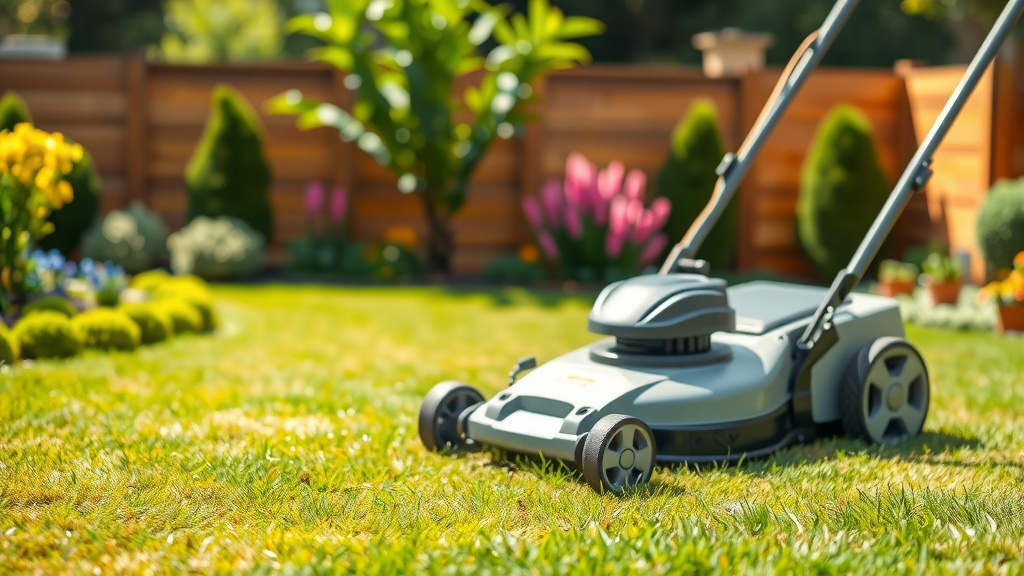
A practical guide, like a “How To Mow The Lawn Book,” teaches you the fundamentals of proper cutting techniques for a healthy, vibrant lawn. It covers everything from blade sharpness to mowing patterns.
You will discover how to choose the right mower for your yard, maintain it, and identify the ideal grass height. This knowledge helps prevent common issues and promotes strong grass growth.
- Learn the correct cutting height for your specific grass type for optimal health.
- Mow at the right frequency, often once a week during peak growth seasons.
- Always keep your mower blades razor-sharp for a clean cut and healthier grass.
- Vary your mowing pattern to avoid soil compaction and promote even growth.
- Water your lawn deeply but less often to encourage stronger root systems.
How To Mow The Lawn Book?
A “How To Mow The Lawn Book” provides a comprehensive guide to achieving a perfect lawn, offering detailed steps and expert tips. You’ll learn the practical skills needed to transform your yard.
Think of it as your personal coach for lawn care. It cuts through confusion and offers clear, actionable advice for every homeowner.
Why Proper Mowing Makes a Big Difference
Your lawn’s appearance is often a direct result of how you mow it. Correct mowing promotes thicker, stronger grass blades.
We found that a well-maintained lawn can actually resist weeds and pests more effectively (USDA). Plus, who doesn’t love a neat, inviting outdoor space?
Picking the Perfect Mower for Your Yard
Choosing the right mower feels like picking a new car, doesn’t it? The best choice depends on your lawn’s size, grass type, and your personal preference.
Do you have a small, flat lawn or a sprawling, hilly one? Your answer will guide your decision.
Reel Mowers: For a Precise Cut
Reel mowers offer a very clean, scissor-like cut. They are quiet, eco-friendly, and wonderful for smaller lawns.
Many experts say these mowers are ideal for achieving that golf-course quality finish, especially on fine-bladed grasses.
Rotary Mowers: Versatile Workhorses
Rotary mowers are the most common type. They work well for various grass types and sizes, powered by gas, electric, or battery.
They are forgiving and can handle uneven terrain better, making them a popular choice for most homes.
The Golden Rule of Mowing Height
This rule is simple: never remove more than one-third of the grass blade’s total height at once. Going lower can stress your lawn significantly.
It’s like giving your hair a drastic cut too often; it just won’t grow back as strong.
Adjusting for Grass Type
Different grasses prefer different heights. Cool-season grasses often like a bit taller cut, around 2-3 inches.
Warm-season grasses, conversely, might prefer a shorter cut, maybe 1-2 inches (University of California Agriculture & Natural Resources). Knowing your grass type is key to lawn health.
How Often Should You Mow?
The frequency of mowing depends on grass growth, which changes with the season. During peak growing seasons, weekly mowing might be necessary.
During drier periods or cooler months, you might only need to mow every two weeks or less. Listen to your grass; it tells you when it’s time.
Timing Is Everything: When to Mow
Mowing when the grass is dry is always best. Wet grass can clump, clog your mower, and spread diseases.
Early morning or late afternoon are ideal. Avoid the midday heat, as it stresses both you and the grass. The grass needs time to recover before the hottest part of the day.
Mastering Mowing Patterns
Do you always mow in the same direction? Try switching it up! Varying your pattern prevents soil compaction and ensures an even growth pattern.
Alternating between horizontal, vertical, and diagonal passes each week works wonders. It helps grass stand upright and prevents rutting.
Sharp Blades: Your Lawn’s Best Friend
A sharp blade cuts cleanly, promoting faster healing for the grass. A dull blade tears the grass, leaving ragged edges that look brown and sickly.
Many guidelines point to sharpening your blades at least once per season, or more often if you hit many obstacles (Oregon State University Extension).
What to Do With Grass Clippings?
Once you’ve mowed, what’s next for those clippings? You have a couple of choices, each with its own perks.
Consider your lawn’s needs and your personal preference. Here’s a quick comparison:
| Clipping Method | Pros | Cons |
|---|---|---|
| Mulching | Returns nutrients to soil; less waste, acting as natural fertilizer. | Can create thatch if clippings are too long; not ideal for very wet grass. |
| Bagging | Offers a cleaner lawn look; good for removing weeds or diseased grass. | Removes valuable nutrients from the soil; requires proper disposal. |
Common Mowing Mistakes to Skip
Even seasoned lawn enthusiasts make mistakes. Knowing what to avoid saves you time and keeps your lawn looking its best.
Are you guilty of any of these? It’s okay, we all learn as we go!
- Mowing with dull blades, which tears grass.
- Cutting too much grass at once, stressing the plant.
- Mowing wet grass, leading to clumps and disease.
- Always mowing in the same pattern, causing soil compaction.
- Ignoring safety precautions while operating the mower.
- Not clearing debris before mowing, which can damage your mower.
Seasonal Mowing Tips
Your lawn’s needs shift with the seasons. Adjusting your mowing strategy helps it stay healthy all year.
In spring, aim for moderate height to encourage growth. In summer, keep it taller to shade roots and retain moisture.
In autumn, gradually lower the cut to prepare for winter. Then, in winter, only mow if growth permits, keeping it slightly higher.
Conclusion
Mastering lawn mowing isn’t just about pushing a machine around; it’s an art and a science. By understanding your grass, choosing the right tools, and applying smart techniques, you can transform your lawn.
Think of the advice in a “How To Mow The Lawn Book” as your personal blueprint for a healthier, more beautiful yard. Consistency and attention to detail are your best allies.
You now have the insights to keep your lawn thriving. Get out there and enjoy the satisfaction of a perfectly mowed lawn!
How high should I cut my grass during summer?
During summer, it’s generally best to cut your grass higher, around 3-4 inches for most turf types. Taller grass shades the soil, which helps retain moisture and keeps weeds from sprouting, reducing stress on the lawn during hotter months.
Can I mow my lawn right after it rains?
No, it’s best to wait until your lawn is completely dry after it rains. Mowing wet grass can lead to uneven cuts, clumping of clippings, and can spread fungal diseases. It also makes your mower work harder and can be less safe.
How often should I sharpen my mower blades?
Most experts recommend sharpening your mower blades at least once per mowing season, or every 20-25 hours of use. If you frequently mow over sandy soil or hit objects, you might need to sharpen them more often to ensure a clean cut.
What is the “one-third rule” in lawn mowing?
The “one-third rule” means you should never remove more than one-third of the grass blade’s total height in a single mowing session. This rule helps prevent stressing the grass, allowing it to maintain strong root growth and overall health.
Is it better to bag or mulch grass clippings?
Mulching grass clippings is generally better for your lawn’s health. The clippings return valuable nutrients and moisture to the soil, acting as a natural fertilizer. Bagging is only recommended if the grass is very long, wet, or if you’re removing diseased grass.
