How To Plant A No Mow Lawn?
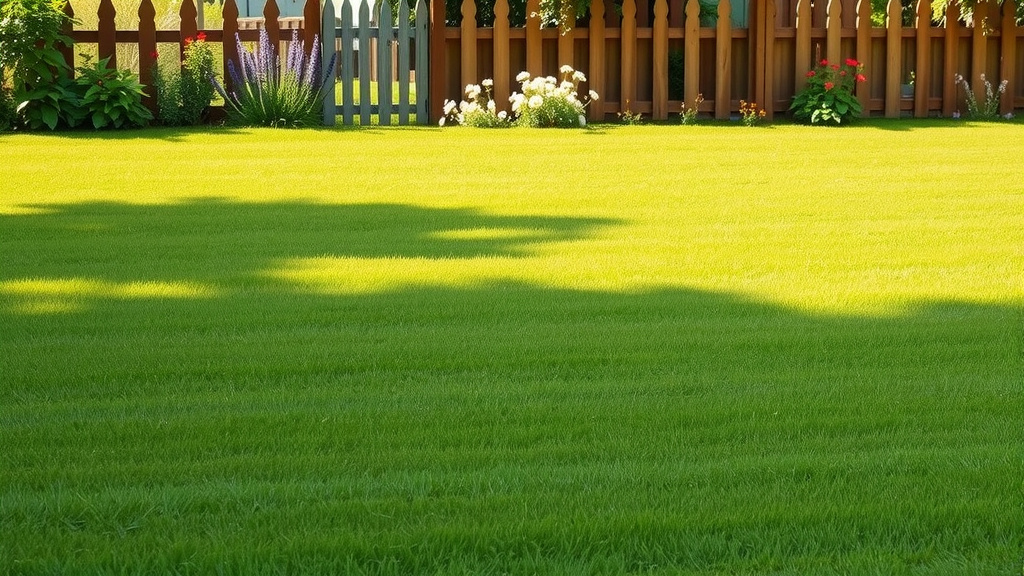
Planting a no-mow lawn involves preparing your soil, selecting the right low-growing groundcover seeds or plugs, and following a consistent watering schedule during establishment. This thoughtful approach helps you create a beautiful, easy-care landscape.
To plant a no-mow lawn, you’ll first remove existing turf, amend your soil for optimal health, then evenly spread chosen seeds like fine fescues or clover, covering lightly, and keeping the area moist until the new growth takes hold.
-
Transform your yard into a low-maintenance haven with a no-mow lawn.
-
Learn how to pick the perfect plants for your climate and lifestyle.
-
Discover straightforward steps for site preparation and planting.
-
Get practical tips for nurturing your new no-mow paradise from day one.
-
Find out what minimal care your established no-mow lawn will need.
How To Plant A No Mow Lawn?
Planting a no-mow lawn means creating a beautiful, low-maintenance landscape that frees you from weekly mowing. You are choosing specific groundcovers that stay naturally short or spread to form a dense carpet. This process starts with good planning and proper soil work.
Why Choose a No-Mow Lawn?
Imagine your weekends without the constant drone of a lawn mower. That’s a big part of the appeal! A no-mow lawn offers you more free time and a peaceful yard.
The Lowdown on Low-Maintenance
We found that many people are looking for ways to simplify their lives. A traditional lawn demands a lot of upkeep. Your no-mow alternative significantly cuts down on mowing, fertilizing, and often watering too. Think of the savings in time, effort, and even fuel!
Beyond personal gain, these lawns are kind to the environment. They support local pollinators and reduce your carbon footprint. Many experts say they help with stormwater runoff, making your yard a bit greener (literally!).
Understanding No-Mow Grasses
Not all grass is created equal when it comes to ditching the mower. A no-mow lawn uses specific types of plants. These plants have a naturally low growth habit.
Which No-Mow Variety is Right for You?
Fine fescues are popular for their delicate texture and drought tolerance once established. Creeping thyme and various clovers also make wonderful no-mow options. They each offer different looks and benefits.
When selecting your plants, think about your region’s climate. Also consider how much sun your yard gets and how much foot traffic the area will receive. Research often connects specific plants to different growing conditions (USDA Plant Hardiness Zones).
| No-Mow Option | Sun Preference | Foot Traffic | Maintenance Notes |
|---|---|---|---|
| Fine Fescues | Full sun to partial shade | Low to Moderate | Occasional trim needed for neatness, drought tolerant. |
| Clover (Microclover) | Full sun | Moderate to High | Attracts pollinators, nitrogen fixer, stays green. |
| Creeping Thyme | Full sun | Low | Fragrant, colorful flowers, very low growing. |
| Sedum Species | Full sun to partial shade | Very Low | Succulent, extremely drought tolerant, varied forms. |
Preparing Your Site for Success
Think of site preparation as laying the groundwork for your dream lawn. A little extra effort here really pays off later. You want to give your new no-mow plants the best start possible.
Clearing the Way: Lawn Removal Methods
First, you need to remove any existing turf or weeds. Leaving old grass can create competition for your new plants. It’s like trying to start a new garden without pulling the weeds first.
Here are some ways to clear your area:
-
Solarization: Cover the area with clear plastic for several weeks in warm weather. This heats the soil and kills weeds naturally.
-
Sheet Mulching: Lay down cardboard, then a layer of compost, and then mulch. This smothers weeds and builds soil health.
-
Digging Out: For smaller areas, you can manually dig up existing grass. Be sure to remove as much of the roots as you can.
Soil Health: The Foundation
Once the old grass is gone, focus on your soil. Good soil drainage is very important for a healthy no-mow lawn. Most no-mow varieties prefer well-draining soil.
We found that a simple soil test kit from your local garden center can be very helpful. It tells you about your soil’s pH and nutrient levels. Many experts suggest amending your soil with compost or other organic matter to improve its structure and fertility.
Planting Your No-Mow Oasis
Now comes the fun part: putting your chosen plants into the ground! The timing and method here can greatly affect your lawn’s success.
Seeding vs. Plugs: What’s Best?
You have a choice between planting seeds or using small plants called “plugs.” Each method has its own benefits.
Seeding is generally more budget-friendly, especially for larger areas. It requires careful initial watering to ensure germination. Plugs, on the other hand, offer quicker establishment and a more immediate visual impact. They are often better for smaller, more detailed areas or sloped sections.
Watering Wisdom for New Seedlings
If you’re seeding, broadcast your seeds evenly across the prepared soil. Lightly rake them in or cover them with a very thin layer of soil. The key then is consistent moisture. Keep the top inch of soil damp, but not soggy, until the seedlings appear and grow a bit stronger.
When using plugs, space them according to the plant’s mature size. Water them immediately after planting. The first few weeks are crucial for the roots to take hold.
Initial Care and Establishment
Your no-mow lawn won’t look perfect overnight, but a little patience and care in the first year will pay off. Think of this as its “teenage phase.”
Dealing with Weeds Early On
Weeds are often the biggest challenge during the establishment phase. They will try to compete with your new no-mow plants. We found that the best approach is to hand-pull weeds regularly, especially when they are young. Be gentle around your new seedlings!
Applying a thin layer of fine mulch can also help suppress weeds. Many guidelines point to diligent weeding as a good first step (Garden Research Institute).
Light Mowing? Really?
Here’s a surprise: you might need to mow your “no-mow” lawn once or twice in its first year! This can help encourage the plants to spread and fill in. Set your mower to its highest setting. Think of it as a haircut, not a buzz cut. This promotes stronger growth, as research often connects light trimming to better establishment in certain groundcovers (Botanical Journal).
Long-Term Maintenance of Your No-Mow Lawn
The good news is that once established, your no-mow lawn will demand very little from you. This is where you truly reap the benefits of your initial work.
Feeding Your New Lawn
Unlike traditional lawns, no-mow varieties generally require very little, if any, supplemental fertilization. They are often chosen for their ability to thrive in leaner soils. If you see signs of nutrient deficiency, a light application of organic, slow-release fertilizer can help. Over-fertilizing can encourage too much growth, defeating the purpose!
Troubleshooting Common Issues
Even no-mow lawns can have issues. If you notice bare spots, you can reseed or plant new plugs. Persistent weeds might mean you need to adjust your weeding routine. Sometimes, too much shade or foot traffic can hinder growth. Observing your lawn will tell you a lot about what it needs.
Conclusion
Planting a no-mow lawn is a rewarding project that transforms your outdoor space. You’ll gain back valuable time, help the environment, and enjoy a unique, beautiful landscape. By carefully preparing your site, choosing the right plants, and providing good initial care, you’re setting yourself up for long-term success. Embrace the change, and watch your low-maintenance haven grow!
How much does it cost to plant a no-mow lawn?
The cost varies widely based on the size of your area and whether you use seeds or plugs. Seeds are generally much cheaper, costing perhaps $0.50 to $2.00 per square foot. Plugs can range from $2.00 to $5.00 or more per square foot due to higher material and labor costs if professionally installed.
How long does it take for a no-mow lawn to establish?
Typically, a no-mow lawn takes anywhere from one to two full growing seasons to become fully established. You’ll see initial growth within a few weeks of planting seeds, but a dense, resilient cover takes time to fill in and mature.
Can I plant a no-mow lawn over an existing lawn?
While some methods like sheet mulching can gradually transition an existing lawn, it’s generally best to remove the old turf first. Planting directly over an existing lawn without proper preparation usually leads to poor establishment and competition from the old grass and weeds.
Do no-mow lawns attract more bugs or snakes?
No-mow lawns, especially those with flowers like clover, can attract beneficial insects like bees and butterflies, which is great for the ecosystem. They are not known to uniquely attract harmful bugs or snakes more than a traditional lawn, but any dense vegetation can offer shelter, so good garden hygiene helps.
Are no-mow lawns suitable for areas with heavy foot traffic?
Some no-mow options, like certain types of clover (microclover) or tougher fine fescues, can tolerate moderate foot traffic. However, most no-mow lawns perform best in areas with low to moderate traffic. If you have very high-traffic zones, consider stepping stones or pathways within your no-mow area.