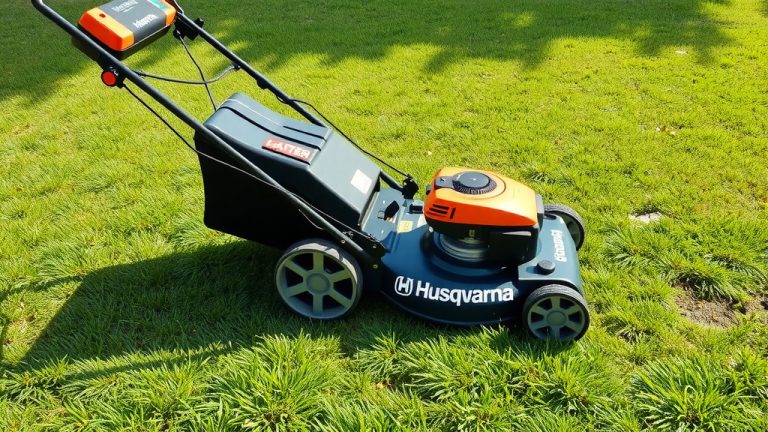
How To Properly Mow Lawn?
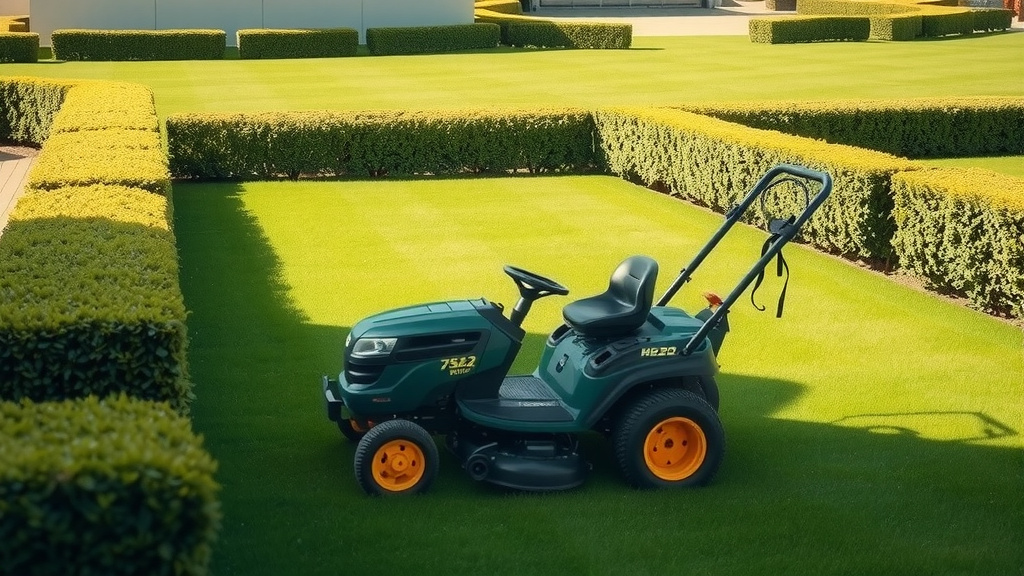
To properly mow your lawn, always aim for the “one-third rule,” meaning you should never cut more than one-third of the grass blade’s height at any single time.
This crucial practice encourages deeper root growth and promotes a denser, more resilient turf, which is foundational for how to properly mow lawn.
- Cut only one-third of your grass blade height per mow.
- Maintain razor-sharp mower blades for a clean, healthy cut.
- Change your mowing pattern each time to avoid soil compaction.
- Leave grass clippings on the lawn; they naturally fertilize the soil.
- Adjust your mowing height seasonally to best support grass health.
How To Properly Mow Lawn?
Knowing how to properly mow your lawn is more than just pushing a machine around. It’s about understanding your grass, the season, and the best practices that lead to a vibrant, healthy yard. Think of it as giving your lawn a really good haircut, not just a buzz cut!
Why Proper Mowing Matters So Much
You might wonder, “Is there really a wrong way to mow?” Absolutely! An improper cut can stress your grass. Stressed grass becomes weak and inviting to weeds and diseases. A lawn that’s mowed correctly looks better and fights off problems all on its own.
The “One-Third Rule”: Your Golden Standard
This rule is simple yet powerful: never remove more than one-third of the grass blade’s total height in one mowing session. If your grass is six inches tall, you should cut it down to no less than four inches. This keeps the grass from going into shock, allowing it to grow back stronger. Research from various university extension services often highlights this rule as a cornerstone of good lawn care.
Sharp Blades Make All the Difference
Imagine trying to cut your hair with dull scissors. It would tear and pull, right? The same goes for your grass. A dull mower blade rips and frays the grass tips, leaving them vulnerable to disease. Sharp blades create a clean cut, helping your lawn heal quickly and look crisp. We found that many lawn care experts suggest sharpening your blades every 20-25 hours of use, or at least once per season (Purdue Extension).
Your Mowing Frequency Guide
How often should you mow? The answer changes based on your grass type, growth rate, and the time of year. There isn’t a one-size-fits-all schedule, but there are good guidelines to follow.
Adjusting for Growth Speed
During peak growing seasons, like spring, your lawn might need mowing every 5-7 days. As growth slows down in summer heat or during fall, you might stretch that to 10-14 days. The key is to watch your grass and apply the one-third rule. If it’s growing fast, you might need to mow more often to keep up.
Best Practices for Each Mow
Beyond blade sharpness and height, how you physically mow makes a big difference. These small changes can hugely impact your lawn’s health and appearance.
Varying Your Mowing Pattern
Do you always mow in the same direction? Try not to! Constantly mowing in the same pattern can compact the soil and create ruts. Think of it like walking the same path every day; eventually, you’ll wear a trail. Switching up your mowing pattern each time distributes the pressure and keeps the soil healthier. We found that many professional landscapers alternate between vertical, horizontal, and diagonal passes.
Clippings: To Bag or Not To Bag?
For most lawns, leaving grass clippings on the lawn is a smart move. These clippings are rich in nutrients, especially nitrogen, acting as a natural, slow-release fertilizer. This process, often called “grasscycling,” returns valuable nutrients to the soil, reducing your need for synthetic fertilizers. It also saves you time and effort.
When to Bag Clippings
There are a few times when bagging clippings makes more sense. If your lawn has a disease, bagging can help prevent its spread. Also, if your grass is overly long and you’re cutting off a lot, a thick layer of clippings can smother the lawn. In these cases, it’s better to bag them up.
Optimal Mowing Height Through the Seasons
The ideal height for your grass isn’t fixed; it changes with the seasons. Adjusting your mowing height helps your lawn cope with environmental stresses.
Spring and Early Summer
During these cooler, wetter months, your grass is actively growing. A slightly lower cut, while still following the one-third rule, can promote denser growth. Many experts suggest keeping cool-season grasses (like fescue or bluegrass) around 2.5 to 3 inches tall during this time.
Hot Summer Months
When summer temperatures rise, raise your mower deck. Taller grass provides shade for the soil, helping it retain moisture and keeping weeds from sprouting. For most grass types, aim for 3-4 inches or even higher during periods of heat and drought (University of Florida IFAS Extension).
Fall Preparation
As fall approaches, gradually lower your mowing height over several weeks until you reach your lowest setting for the last mow. This helps prevent fungal diseases over winter and allows more sunlight to reach the crown of the grass. Always remember the one-third rule, even when lowering gradually.
Pre-Mow Checklist for Success
Before you even start your mower, a quick check can prevent headaches and ensure a great cut. Think of this as your mission briefing before you tackle the lawn.
- Clear your lawn of debris (sticks, toys, rocks).
- Check your mower’s fuel and oil levels.
- Inspect mower blades for sharpness and damage.
- Adjust your mower deck to the desired height.
- Wear appropriate safety gear (eyewear, sturdy shoes).
Troubleshooting Common Mowing Mishaps
Even with the best intentions, you might run into some common issues. Knowing how to fix them will save your lawn and your peace of mind.
| Issue | What It Looks Like | Simple Solution |
|---|---|---|
| Uneven Cut | Patches of different heights, striping | Check tire pressure, ensure mower deck is level. |
| Scalping | Brown, bare spots, especially on hills | Raise mower height, avoid cutting too low. |
| Yellow/Brown Tips | Grass tips look torn and discolored | Sharpen mower blades immediately. |
| Clumping Clippings | Large piles of grass left behind | Mow when grass is dry, cut less height, mow more often. |
Uneven Cuts
If your lawn looks like a patchwork quilt after mowing, you likely have an uneven cut. This often happens because your mower deck isn’t level. Check your tire pressure first, as uneven tires can tilt the deck. Then, refer to your mower’s manual to properly level the deck from side to side and front to back. We found this simple adjustment makes a world of difference.
Scalping Your Lawn
Scalping is when you cut the grass too short, often exposing the soil. This weakens the grass and makes it susceptible to weeds and sun damage. It’s especially common on uneven terrain or when you set your mower height too low. The best defense is to always stick to the one-third rule and raise your mower deck on slopes and bumpy areas.
Conclusion
Mastering how to properly mow lawn is truly an art and a science, but it’s an achievable skill for anyone. By consistently applying the one-third rule, keeping your blades sharp, and adapting your techniques to the seasons, you’ll cultivate a lawn that is the envy of your neighborhood. Your efforts will result in a healthier, more resilient, and simply beautiful green space. Enjoy the process, and watch your lawn thrive!
How high should I set my mower blades for summer?
During the hot summer months, it’s best to raise your mower blades to their highest setting, typically between 3 to 4 inches or even more. Taller grass provides shade for the soil, helping it retain moisture and reducing weed germination. This also helps your grass withstand heat stress.
Can I mow my lawn when it’s wet?
It’s generally not recommended to mow a wet lawn. Wet grass clogs your mower, leads to uneven cuts, and can spread disease more easily. It also compacts the soil more, which isn’t good for root health. Wait until the grass is completely dry for the best results.
What kind of mower is best for a small lawn?
For smaller lawns, a reel mower (manual or electric) or a smaller electric rotary mower is often the best choice. They are quieter, more eco-friendly, and easier to maneuver in tight spaces. Manual reel mowers also give a very clean cut that’s excellent for grass health.
How do I prevent weeds from growing after mowing?
Proper mowing itself is a great weed deterrent! By maintaining a taller, dense lawn (using the one-third rule and higher cuts in summer), you naturally shade out weed seeds and prevent them from germinating. Healthy, thick turf leaves less room for weeds to establish. Regular fertilization and watering also help your desired grass outcompete weeds.
Is it better to use a mulching mower?
Yes, in most cases, a mulching mower is beneficial. Mulching mowers finely chop grass clippings and redistribute them back onto the lawn. This acts as a natural fertilizer, returning valuable nutrients to the soil and reducing the need for synthetic products. Just ensure you are cutting only the top one-third of the grass and that it’s dry to avoid clumping.