
How To Put A Ball Hitch On A Lawn Mower?
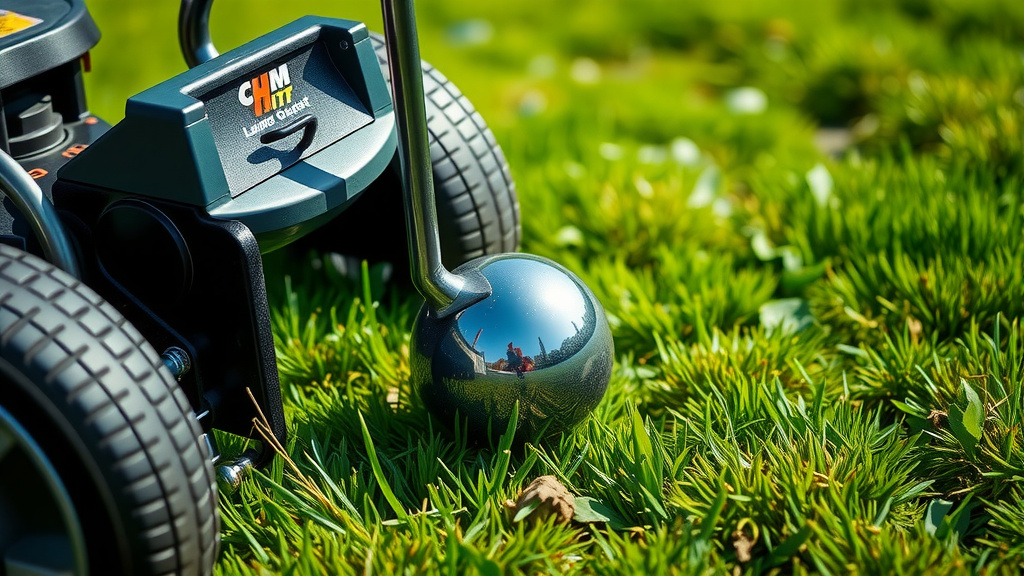
To put a ball hitch on a lawn mower, you generally need a sturdy mounting bracket, the correct hitch ball size, and appropriate hardware.
This modification often involves drilling, securing the bracket to the mower’s frame, and attaching the hitch ball firmly for towing light attachments.
- A ball hitch lets your lawn mower tow small trailers or utility carts for yard work.
- You’ll need basic tools like a drill, wrenches, and a reliable mounting bracket.
- Safety is key; always disconnect the spark plug and wear protective gear before starting.
- Ensure your mower’s frame is strong enough to handle the towing weight.
- Proper installation means finding a good mounting spot and securing all components tightly.
How To Put A Ball Hitch On A Lawn Mower?
Adding a ball hitch to your lawn mower lets you tow small trailers or yard carts, making your lawn care tasks much easier around the property. Think of it as giving your mower a little extra muscle!
Why Would You Want a Ball Hitch on Your Mower?
Ever wish your riding mower could do more than just cut grass? A ball hitch opens up a world of possibilities for hauling. You can easily move bags of mulch, firewood, or even yard waste across your lawn.
It’s like having a miniature pickup truck for your garden. Many homeowners find it a simple way to boost their productivity without buying another piece of equipment.
Is Your Lawn Mower Ready for a Hitch?
Before you grab your tools, let’s talk about your mower. Not every mower is designed for towing heavy loads. We found that smaller riding mowers or zero-turns typically handle lighter trailers best (Consumer Reports).
Check your owner’s manual for towing capacity. It’s usually listed there. If you cannot locate it, consider the engine size and the frame’s sturdiness. Can it really pull that utility cart full of bricks?
Understanding Your Mower’s Capacity
Think about the total weight you plan to tow. This includes the trailer itself plus whatever you load into it. Overloading your mower can cause damage to the engine, transmission, or frame. It’s a bit like asking a bicycle to pull a car.
Many experts say to keep the towed weight to around half of your mower’s weight or less. Always err on the side of caution for safety and equipment longevity.
Essential Tools and Materials You’ll Need
Getting ready means gathering your gear. Here’s a quick list of what you’ll probably need for a successful ball hitch installation. Having everything at hand makes the process smoother.
- Drill and appropriate metal drill bits
- Wrench set (socket and adjustable wrenches)
- Tape measure and marker
- Safety glasses and work gloves
- Hitch ball (correct size for your trailer coupler)
- Mounting bracket (often a universal hitch plate)
- Bolts, washers, and nuts (grade 8 hardware for strength)
- Locktite (optional, but recommended for securing bolts)
Step-by-Step Guide to Installing Your Ball Hitch
Ready to get your hands dirty? Here’s a breakdown of how to install that ball hitch. Take it step by step, and you’ll have it done before you know it.
Step 1: Safety First, Always!
Your safety is the most important thing. Always disconnect the spark plug wire to prevent accidental engine starts. Many experts emphasize wearing safety glasses and sturdy gloves (OSHA guidelines).
Make sure your mower is on a flat, stable surface. Chock the wheels if necessary. You wouldn’t want it rolling away mid-project, right?
Step 2: Finding the Right Mounting Spot
Look at the rear frame of your mower, usually near the bumper or directly below the seat. You need a flat, strong area. The hitch point should be relatively low to the ground for stable towing and maneuvering.
Measure twice, drill once, as they say! Ensure the bracket won’t interfere with other components, like the grass bagger mount or wheel movement.
Step 3: Drilling the Holes (If Necessary)
If your mower doesn’t have pre-drilled holes, you’ll need to make them. Mark the holes clearly using your bracket as a template. Start with a small pilot hole, then gradually increase the drill bit size to your final diameter. This helps prevent metal fatigue and ensures clean holes.
Remember to use drill bits designed for metal. A little cutting oil can help keep the bit cool and extend its life. Go slowly and apply steady pressure.
Step 4: Securing the Mounting Bracket
Position your universal hitch bracket over the drilled holes. Insert the high-strength bolts through the bracket and the mower frame. Use flat washers on both sides and lock washers under the nuts.
Tighten the nuts securely with your wrenches. We found that using a torque wrench to meet specific specifications (if available for your hardware) adds an extra layer of security (SAE International Standards).
Step 5: Attaching the Ball Hitch
Now, thread your hitch ball onto the bracket. Most hitch balls have a threaded shaft that goes through a hole in the bracket. Secure it from below with a lock washer and nut.
Tighten this nut very, very firmly. It’s what holds your trailer in place. Many experts recommend adding a drop of Loctite to the threads for vibration resistance and long-term security.
Common Challenges and Troubleshooting
Sometimes, things don’t go exactly as planned. Here are a few common hiccups you might encounter and some straightforward solutions.
| Challenge | What It Means | Possible Solution |
|---|---|---|
| Wobbly Hitch | Loose bolts or thin mounting point | Re-tighten all bolts. Consider adding a backing plate for more rigidity. |
| Trailer too high/low | Hitch ball height mismatch | Adjust ball height if your bracket allows, or get a different size ball. |
| Interference with parts | Hitch obstructing other components | Re-evaluate mounting spot. May need a different bracket design. |
| Drilling difficulty | Hardened steel or dull bits | Use cobalt drill bits and cutting oil. Go slow, apply consistent pressure. |
Safety Tips for Towing with Your Mower
Once your hitch is installed, you’re ready to tow! But before you zip around with your new trailer, remember these critical safety considerations. Towing changes how your mower handles, so a little caution goes a long way.
- Check Tire Pressure: Ensure mower tires are properly inflated for the added load.
- Secure Your Load: Always strap down items in the trailer to prevent shifting or falling out.
- Go Slowly: Reduce your speed significantly when towing. Sharp turns can cause tipping.
- Braking Distance: Remember your mower will take longer to stop with a trailer attached.
- Slopes and Hills: Avoid steep inclines or declines. The trailer can push or pull the mower unexpectedly.
- Clear Your Path: Look out for obstacles, children, and pets, especially when backing up.
Maintaining Your Hitch for Longevity
Just like any tool, your new ball hitch needs a little TLC to last. After all, you want it to be there when you need it for years to come. A little attention helps ensure it stays in top shape.
Periodically check all bolts and nuts for tightness. Vibrations can sometimes loosen them over time. You might also want to apply a light coat of grease to the hitch ball to prevent rust and ensure smooth coupling with your trailer.
Conclusion
Adding a ball hitch to your lawn mower can significantly expand its usefulness, turning it into a versatile workhorse for your yard tasks. By carefully selecting the right parts, following safety precautions, and installing it correctly, you can confidently tow trailers and carts around your property. It’s a rewarding project that truly empowers your lawn care routine. So, grab those tools, and get ready to make your mower work smarter, not harder!
Can any riding lawn mower tow a trailer?
Not all riding lawn mowers are built for towing. Smaller models or those with lighter frames may not be suitable. Always consult your mower’s owner’s manual to confirm its towing capacity and recommendations before attaching a trailer.
What size ball hitch do I need for a lawn mower trailer?
The most common ball hitch sizes for small lawn and garden trailers are 1 7/8 inches or 2 inches. You should check the coupler on your specific trailer to ensure a perfect and safe match for the ball hitch.
Do I need a special bracket to mount a ball hitch on my mower?
Yes, in most cases, you will need a universal hitch mounting plate or bracket. This plate provides a sturdy, flat surface for the hitch ball and bolts directly to your mower’s rear frame. Some mowers may have pre-drilled holes, but a bracket often provides better stability.
Is drilling into my mower’s frame safe for installation?
Drilling into the frame is generally safe if done correctly and in an appropriate location. Ensure you avoid drilling into fuel lines, electrical wires, or structural components crucial to the mower’s integrity. Always use proper tools and safety gear.
How do I prevent my trailer from coming unhitched while towing?
To prevent your trailer from unhitching, ensure the hitch ball matches the trailer coupler perfectly and the coupler is properly latched and secured. Always use a safety pin or lock on the coupler latch. Regularly inspect the hitch ball and bracket for wear or damage before each use.
