
How To Put A Grass Bag On A Lawn Mower?
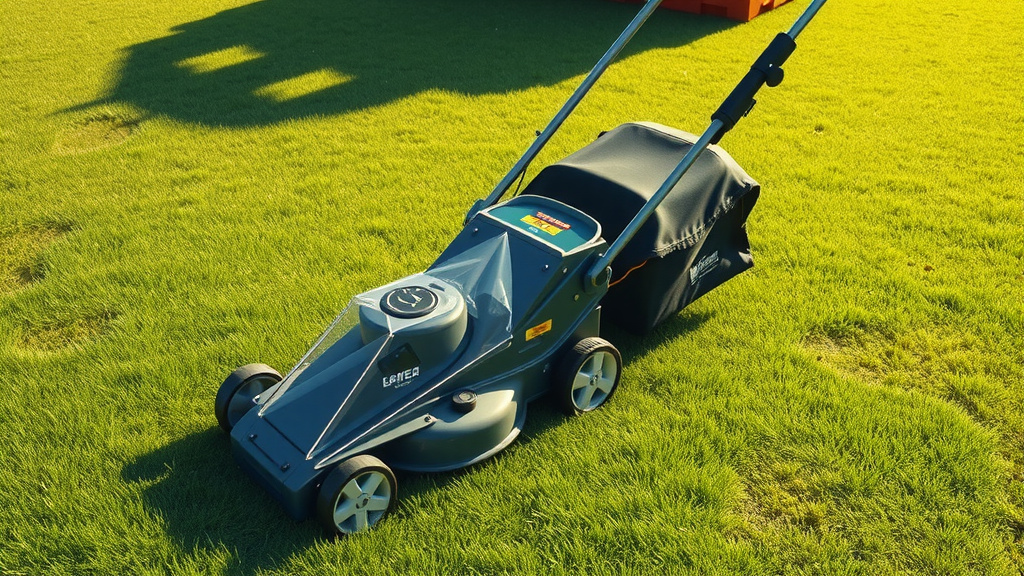
To put a grass bag on a lawn mower, first ensure the mower is off and cool, then locate the discharge chute at the rear or side. Lift the chute cover, align the bag’s frame with the mower’s mounting points, and firmly attach it until it clicks or locks into place.
This process generally involves opening the mower’s discharge flap and sliding the bag’s frame onto the designated hooks or slots, creating a secure seal to collect clippings efficiently.
- You will need to power down and cool your mower before starting.
- Locate your mower’s grass discharge chute, typically on the back or side.
- Lift the discharge chute cover or flap to expose the bag attachment area.
- Align the grass bag’s frame with the mower’s mounting brackets or slots.
- Push and secure the bag firmly, making sure it locks into its correct position.
How To Put A Grass Bag On A Lawn Mower?
Putting a grass bag on a lawn mower is a straightforward task when you know the steps. You just need to power down your machine, find the discharge chute, and attach the bag securely. Let’s walk through it together!
Why Use a Grass Bag?
You might wonder why bagging your clippings is important. It’s more than just tidiness. Bagging helps keep your lawn looking sharp and can be great for lawn health too.
Benefits of Bagging Grass
Many homeowners bag grass for several good reasons. We found that bagging removes weeds and seeds, stopping them from spreading. It also prevents thatch buildup, which can harm your lawn over time (University of Minnesota Extension).
Plus, a clean lawn just looks better, doesn’t it? It keeps your yard looking tidy after each cut.
Essential Tools for the Job
Good news! You typically won’t need any special tools to attach a grass bag. Your hands and a little know-how are usually enough. Just make sure you have your lawn mower and the grass bag itself ready to go.
Quick Checklist Before Starting
- Your lawn mower
- The grass bag (clean and empty)
- Work gloves (optional, for grip and cleanliness)
- A stable, level surface for the mower
- Good lighting
Step-by-Step: Attaching Your Grass Bag
Ready to get that bag on and start mowing? Follow these simple steps. Think of it like a quick pit stop before you hit the race track of your lawn.
Safety First: Always Prioritize This!
Before you touch anything on your mower, safety is key. Think of it like checking your seatbelt before driving. You want to avoid any accidental starts or injuries.
Shut Off and Cool Down
Always turn off your lawn mower completely. Give it a few minutes to cool down, especially if you just used it. Hot engine parts can cause burns, and moving blades are very dangerous.
Remove the Spark Plug (Optional but Recommended)
For an extra layer of safety, consider removing the spark plug wire. This ensures the mower absolutely cannot start by accident. It’s a quick step that adds peace of mind.
Locating the Discharge Chute
Now, let’s find where the magic happens. Your lawn mower’s discharge chute is usually at the back or side. It’s the opening where grass clippings normally fly out when you’re not bagging. This is where your bag will attach.
Opening the Chute Cover
Most mowers have a hinged plastic or metal cover over the discharge chute. Gently lift this cover. It often has a spring or latch that holds it down. Be aware that it might spring back if you let go.
Aligning and Attaching the Bag
With the chute cover open, grab your grass bag. Its frame should have hooks or slots designed to fit your mower. You’ll want to line up these points carefully. Slide the bag onto the mower’s attachment brackets.
Check for a Secure Fit
Once the bag is on, give it a little tug. Does it feel snug? Is it firmly in place? A secure connection prevents grass from escaping and keeps the bag from falling off mid-mow. Many models have a “click” sound when correctly seated.
Troubleshooting Common Bagging Issues
Sometimes things don’t go perfectly the first time. Don’t worry, it happens! We’ve found a few common hiccups people face when using a grass bag. Let’s look at them.
Bag Not Staying On?
If your grass bag keeps falling off, you probably didn’t secure it properly. Go back to the alignment step. Make sure those hooks or slots are fully engaged. Sometimes, wear and tear on an older bag or mower can also be a cause, making the connections looser.
Grass Not Going Into the Bag?
This is a common frustration! If grass isn’t filling your bag, there are usually a few culprits. It’s often something simple, like a blockage or an overfilled bag.
Check for Clogs
A clog in the discharge chute is a frequent problem. Turn off your mower and clear any compacted grass. Always use a stick or tool, never your hand, to remove clogs. Wet grass tends to clog more easily.
Is Your Bag Full?
It sounds obvious, but sometimes we forget! A full bag can’t take any more grass. It will either stop collecting or blow clippings out elsewhere. Empty your bag regularly for best results. Many bags have an indicator to show when they are getting full.
When to Bag vs. Mulch
The great bagging debate! Do you bag or do you mulch? Both have their place in lawn care, and the best choice depends on your lawn’s needs and current conditions. Many experts say that mulching can return nutrients to your lawn (Ohio State University Extension).
| Feature | Bagging Grass | Mulching Grass |
|---|---|---|
| Clipping Removal | Yes, collects all clippings for disposal. | No, cuts clippings into fine pieces and returns to lawn. |
| Nutrient Return | Minimal, removes nutrients. | Yes, provides natural fertilizer. |
| Thatch Build-up | Prevents thatch buildup. | Can contribute if clippings are too long/thick. |
| Weed Control | Removes weed seeds. | Less effective at removing existing weed seeds. |
| Aesthetics | Clean, tidy lawn. | Can leave visible clippings if done improperly. |
| Effort | Requires emptying and disposal. | Less effort, no emptying needed. |
Bagging Considerations
Bagging is great when you have very tall grass, lots of weeds, or when you want a perfectly clean look. It’s also wise to bag if your lawn has a disease, to prevent spreading it. But remember, you’ll need to dispose of those clippings.
Mulching Advantages
Mulching is often preferred for regular mowing on healthy lawns. It feeds your lawn naturally, saving you money on fertilizer. Just make sure to mow frequently enough so the clippings are small and decompose quickly.
Maintaining Your Grass Bag
Just like any other tool, your grass bag needs a little care to last. A well-maintained bag works better and smells better too! Trust us, a moldy grass bag is not pleasant.
Cleaning for Longevity
After each use, especially if you mowed wet grass, give your bag a good shake to remove excess clippings. Periodically, you might want to hose it down with water. This prevents clogs and keeps air flowing for better collection. We found that a clean bag works more efficiently.
Storing Your Bag Properly
When you’re done for the season, clean your bag thoroughly and let it dry completely. Store it in a dry place, away from direct sunlight or moisture. This prevents mildew and keeps the fabric strong for next season.
Conclusion
Putting a grass bag on your lawn mower is a simple but important part of lawn care. By following these easy steps, you can ensure a neat lawn and efficient mowing every time. Remember, safety first, a secure fit, and regular maintenance will make your bagging experience smooth and hassle-free. Happy mowing!
How do I know if my grass bag is full?
Many modern grass bags have a visual indicator, often a flap or a small window, that closes or becomes visible when the bag is approaching full capacity. If yours doesn’t, you’ll notice a decrease in grass being collected, or clippings starting to fall out from under the mower.
Can I put a grass bag on any lawn mower?
Not necessarily. Grass bags are typically designed for specific lawn mower models or brands. Always check your mower’s manual or the bag’s compatibility details to ensure it will fit correctly and safely. Universal bags exist but require careful verification.
What should I do with the grass clippings after bagging?
You have several options for bagged grass clippings. You can compost them, use them as mulch in garden beds (be mindful of weed seeds), or dispose of them according to your local waste management guidelines. Some areas offer curbside pickup for yard waste.
Why is my lawn mower not picking up grass even with the bag on?
Several factors can cause this. Common reasons include a clogged discharge chute, a dull mower blade, cutting grass that is too wet or too tall, or a grass bag that is already full. Always check these possibilities after ensuring the bag is correctly attached.
How often should I clean my grass bag?
For best performance and longevity, it’s a good idea to shake out your grass bag after every use. A more thorough cleaning, like hosing it down, can be done periodically, especially if you’ve mowed wet grass or notice significant buildup. Ensure it’s completely dry before storage.
