
How To Put A Plow On A Lawn Mower?
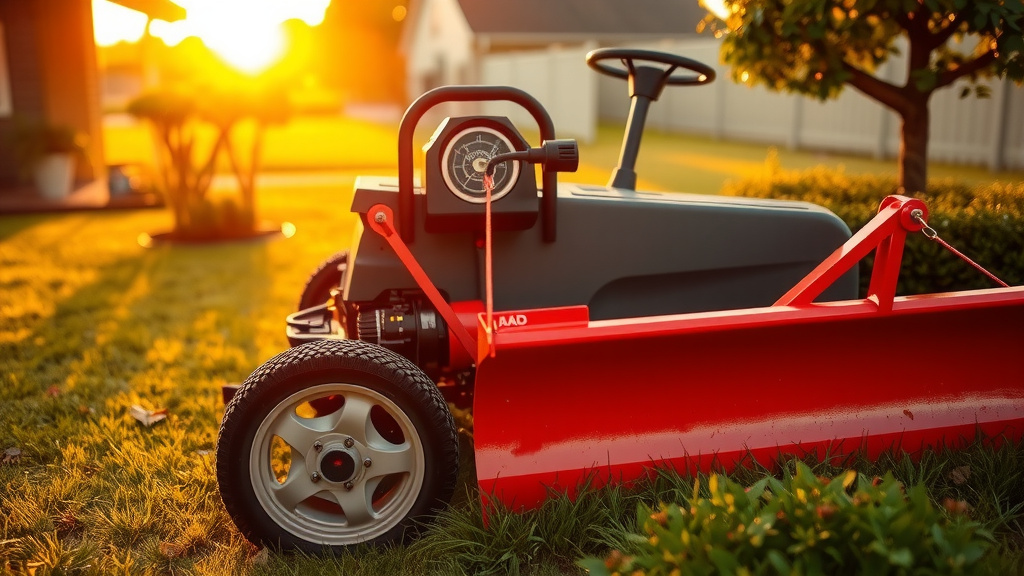
Putting a plow on a lawn mower typically requires a specialized plow kit compatible with your specific riding mower or garden tractor model.
You will need to attach a sturdy mounting frame to your mower’s chassis, followed by the plow blade and its lifting mechanism for effective operation.
- A dedicated plow kit is essential for successful installation.
- Only heavy-duty riding mowers or garden tractors are suitable.
- Installation involves mounting a frame, then the plow blade.
- Tire chains and extra weight are often needed for traction.
- Always prioritize safety and follow manufacturer instructions.
How To Put A Plow On A Lawn Mower?
You can put a plow on a lawn mower by using a specific mounting kit designed for your mower model. This process involves securing a plow frame to your tractor’s chassis and then attaching the blade.
Thinking about turning your lawn mower into a winter workhorse or a light-duty dirt mover? It’s a common thought, especially when you see those heavy snowfalls or need to move some garden soil. But can your trusty mower handle a plow? Let’s talk about it. It’s not just about bolting something on; there’s a bit more to consider.
Is Your Lawn Mower Up To the Task?
First things first, not all lawn mowers are created equal when it comes to plowing. A standard lawn tractor, the kind you might use for a quick mow on a sunny Saturday, often isn’t built for the strain. We found that garden tractors or heavy-duty riding mowers are the true contenders here (Consumer Reports).
Understanding Mower Capacities
What makes a mower plow-ready? It’s about more than just engine horsepower. You need a strong frame, a robust transmission, and tires that can get some grip. Many experts agree that lighter lawn tractors simply lack the structural integrity and drivetrain strength to push heavy snow or dirt without risking serious damage.
Why Attach a Plow to a Lawn Mower?
People often consider adding a plow for two main reasons: moving snow or leveling small amounts of dirt or gravel. It’s about extending the utility of a machine you already own. Sounds practical, right?
Plowing Snow with a Mower
When winter rolls around, a plow can save your back from shoveling. A mower with a plow can clear driveways and paths quickly. It’s a great option for light to moderate snowfalls, or if you have a long driveway.
Light-Duty Landscaping
For small gardening projects or smoothing out a gravel path, a mower plow can be surprisingly helpful. It’s not for breaking new ground, but for spreading loose materials, it does a decent job. Think of it as a handy helper, not a heavy excavation tool.
Choosing the Right Plow Kit
Picking the correct plow kit is perhaps the most important step. Universal kits exist, but a kit made specifically for your mower model is usually best. Why? Because it’s designed to fit perfectly and distribute the stress correctly.
Types of Plow Blades
- Straight Blade: This is the most common type. It pushes material directly forward or at an angle.
- V-Plow: Less common for mowers, but some larger garden tractors can use them. They split material to both sides.
- Angled Blade: Most straight blades can be angled left, right, or kept straight. This helps direct the material where you want it to go.
You’ll also find plows made from steel or polyethylene. Steel is heavier and more durable, while poly blades are lighter and less likely to scratch delicate surfaces. Consider what you’ll be pushing.
Essential Modifications for Plowing
Once you have your plow kit, you might need to make some adjustments to your mower itself. These aren’t just suggestions; they’re often vital for both performance and safety. Think of them as giving your mower the strength training it needs.
Adding Weight for Traction
This is a big one. Without enough weight, your tires will spin, and you won’t move anything. We found that rear-wheel weight is key (Agricultural Engineering International). You can use wheel weights, liquid ballast in tires, or even a weight box on the back. It adds grip, like cleats on a running shoe.
Tire Chains
If you’re tackling snow or slippery surfaces, tire chains are your best friend. They provide grip where rubber alone would fail. It’s like giving your mower extra teeth for the terrain.
Reinforcing the Frame (If Needed)
While a good plow kit usually comes with its own frame, some mowers might need extra reinforcement, especially older models. Always check your mower’s manual. The frame is the backbone, and you don’t want it bending under pressure.
Step-by-Step Installation Guide
Alright, let’s get into the nitty-gritty of installation. Remember, always follow your specific plow kit’s instructions first. This is a general guide, like a roadmap for a journey.
Pre-Installation Checklist
- Read the plow kit manual thoroughly.
- Gather all necessary tools.
- Ensure your mower is turned off and the key is removed.
- Check all parts are present in the kit.
- Park your mower on a flat, level surface.
Mounting the Frame
Most plow kits attach to existing bolt holes on your mower’s frame. You’ll often connect the front mount plate first, then secure the side rails back to the mower’s chassis. Think of it like building a sturdy foundation for the plow.
Attaching the Plow Blade
Once the frame is secure, the blade assembly usually slides into place. You’ll connect the lift mechanism – often a lever or a winch – that allows you to raise and lower the blade. This is where your plow starts to look like a plow!
Connecting the Lift System
The lift system lets you control the plow. This could be a simple manual lever you operate from the driver’s seat or a powered winch system. Ensure it moves freely and locks securely in both the up and down positions. A smooth lift system saves you effort.
Safety Considerations for Plowing
Plowing with a lawn mower can be effective, but safety must always be your top priority. You’re operating a powerful machine, after all. A little caution goes a long way.
| Safety Aspect | What to Consider |
|---|---|
| Operator Visibility | Always have clear sight of your path and surroundings. |
| Weight Distribution | Ensure added weight is balanced to avoid tipping. |
| Speed Control | Plow at a slow, controlled pace; never rush. |
| Obstacles | Mark or remove any hidden objects like rocks or sprinklers. |
| Exhaust Fumes | Operate in well-ventilated areas to avoid carbon monoxide. |
Always wear appropriate safety gear, like sturdy boots and gloves. And never let children or pets near the operating machine. These steps might seem simple, but they’re incredibly important for preventing accidents.
Maintenance for Your Plowing Mower
Plowing puts extra stress on your mower, so a little extra care is a smart move. Just like after a tough workout, your mower needs some recovery and preventative checks.
Post-Plowing Checks
After each plowing session, inspect your mower. Look for loose bolts, bent parts, or signs of unusual wear. Clean any snow or dirt off the plow and mower. This helps prevent rust and corrosion, especially from road salt.
Seasonal Servicing
Consider a more thorough servicing at the end of the plowing season. Change the oil, check the spark plug, and inspect belts and hoses. Many experts recommend a tune-up to ensure your mower is ready for its next job, whether that’s cutting grass or moving more snow.
Conclusion
Transforming your lawn mower into a plowing machine is definitely possible, but it’s not a one-size-fits-all solution. By choosing the right mower, selecting a compatible plow kit, and making the necessary modifications, you can certainly extend its usefulness. Remember, safety and proper maintenance are key to making this setup work effectively and last a long time. So, if you’re ready to tackle that snow or level some gravel, your heavy-duty mower might just be up for the challenge!
How much does it cost to add a plow to a lawn mower?
The cost to add a plow to a lawn mower can vary widely, typically ranging from $300 to $800 or more. This depends on the specific plow kit, your mower model, and whether you need additional accessories like tire chains or wheel weights. Higher-end kits for larger garden tractors will naturally be more expensive.
Can a zero-turn mower be used with a plow?
Generally, zero-turn mowers are not recommended for plowing. Their design, focused on maneuverability and speed for cutting grass, often means they lack the robust frame, heavy-duty transmission, and traction needed for effective plowing. Plowing can also put undue stress on their steering mechanisms.
What kind of plow is best for snow on a lawn mower?
For snow plowing with a lawn mower, a straight blade plow is usually the most effective and common choice. Look for one that can be angled to push snow to the side. Ensure it has a spring-loaded trip mechanism to protect against hitting obstacles and a manual or electric lift system for easy control.
Do I need special tires for plowing with a lawn mower?
While special tires aren’t always mandatory, using ag-style tires (bar-tread) or adding tire chains significantly improves traction for plowing. Standard turf tires often lack the grip needed to push heavy snow or dirt, leading to slippage and poor performance. Weight added to the rear is also crucial.
Can I attach a plow to any riding lawn mower?
No, you cannot attach a plow to just any riding lawn mower. Only heavy-duty riding mowers or, more specifically, garden tractors, have the necessary structural integrity, engine power, and transmission strength to handle the demands of plowing. Light-duty lawn tractors are not designed for this type of strenuous work and could be damaged.
