
How To Put Grass Catcher On Lawn Mower?
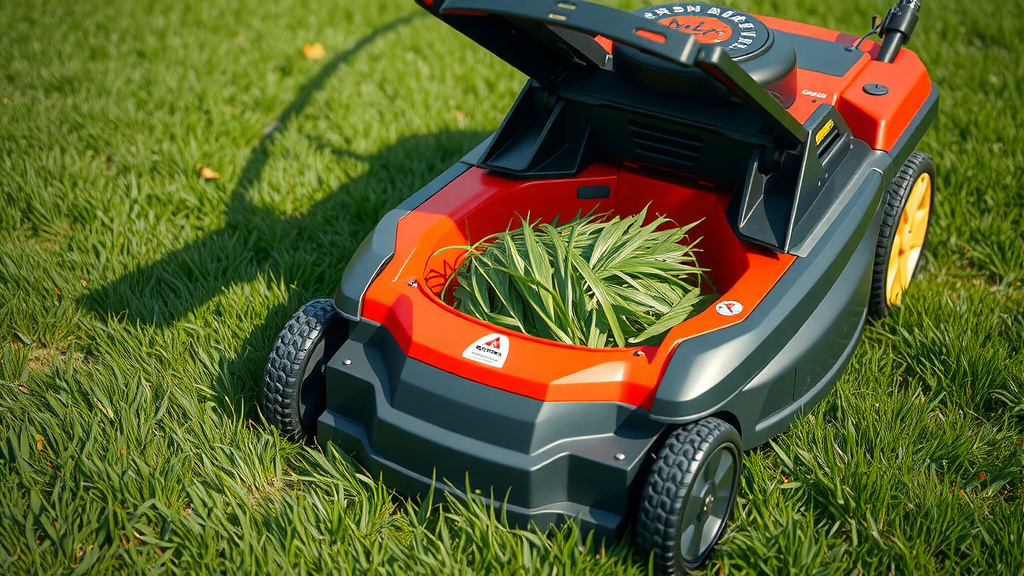
To put a grass catcher on your lawn mower, first ensure your mower is off and cool. Then, lift or open the rear discharge flap, align the catcher’s frame hooks with the mower’s attachment points, and push it firmly into place.
Many models feature simple clip-on or slide-in designs for easy attachment. Always check your specific mower’s manual for precise instructions on how to put grass catcher on lawn mower.
Here’s a quick summary to help you get your grass catcher ready:
- Always prioritize safety: turn off your mower and disconnect the spark plug.
- Identify your grass catcher type; most are either a bag with a frame or a hard-shell collector.
- Locate the attachment points on your mower, usually near the rear discharge chute.
- Align and secure the catcher by hooking, clipping, or sliding it into position.
- Perform a quick check to ensure the catcher is stable and properly sealed before mowing.
How To Put Grass Catcher On Lawn Mower?
Putting a grass catcher on your lawn mower typically involves a few simple steps. You’ll need to secure the catcher’s frame to the mower’s deck and ensure the collection bag is properly attached. It’s a quick process once you know the right technique.
Why Use a Grass Catcher?
Using a grass catcher helps keep your lawn tidy and free of clippings. Many homeowners prefer this method for a cleaner look, especially after a fresh cut. It also prevents thick clumps of grass from smothering your lawn, which can happen with excessive mulching (University of Illinois Extension).
Safety First: Before You Start
Before you even think about attaching anything to your lawn mower, safety is paramount. You are working with sharp blades and moving parts. Taking a few seconds for safety can prevent accidents.
Prepare Your Mower Safely
Always start by turning off your lawn mower. Seriously, just do it. Make sure the engine is completely cool, especially if you’ve just used it. Then, for an extra layer of safety, disconnect the spark plug wire. This prevents any accidental starts, giving you peace of mind while you work.
Tools You Might Need
For most grass catcher installations, you won’t need many tools. Often, your hands are enough. However, sometimes a pair of gloves can be helpful for grip and protecting your hands. A clean cloth might also be useful for wiping down attachment points.
Identifying Your Catcher Type
Grass catchers come in various designs, but they generally fall into two main categories: soft bags with frames or rigid collection bins. Knowing your type helps you understand how it connects. We found that most push mowers use a soft bag, while some riding mowers use larger hard bins.
Step-by-Step Installation Guide
Alright, let’s get down to business. This section walks you through the common steps. Remember, your mower’s manual is your best friend for exact model-specific details. But these steps cover the basics.
Locate the Discharge Chute
Your lawn mower’s discharge chute is where the grass clippings exit the deck. This is usually at the back or side of the mower. The grass catcher will attach to this opening. Many experts say that keeping this area clean ensures a good seal for the catcher.
Attaching the Bag Frame
If you have a soft bag catcher, it will likely come with a rigid frame. This frame is what actually connects to the mower. You’ll find hooks or tabs on the frame that line up with corresponding slots or pins on the mower’s rear deck. Slide the frame into place until it feels secure.
Connecting the Collection Bag
Once the frame is secure, attach the bag itself. Many bags slide over the frame and are held by elastic or clips. Make sure the opening of the bag is positioned correctly to catch the clippings flowing from the discharge chute. Ensure there are no gaps where grass could escape.
Securing the Discharge Chute
On some mowers, you might need to lift or remove the discharge chute cover. The catcher then replaces or fits over this area. It’s designed to create a tight seal, directing all clippings into the bag. A snug fit prevents spillage.
Double-Checking Your Work
Before starting your mower, always do a quick inspection. Give the catcher a gentle tug to ensure it’s firmly attached. Look for any gaps around the connection points. You want to be sure it won’t come loose during operation.
Here’s a quick checklist to make sure you’re ready:
- Mower is OFF and spark plug disconnected.
- Discharge chute area is clean.
- Catcher frame is securely hooked or slotted.
- Collection bag is fully seated on the frame.
- No visible gaps around the catcher’s opening.
- Catcher feels stable, no wobbling.
Troubleshooting Common Issues
Sometimes things don’t go exactly as planned. Don’t worry, a few common issues arise when attaching a grass catcher. Most are easy to fix with a little know-how.
Catcher Not Staying On?
If your catcher keeps falling off, check the attachment points carefully. Are the hooks fully engaged? Are there any pins that need to lock into place? Sometimes, the weight of a partially full bag can dislodge a poorly attached catcher. We found that a firm push and wiggle often helps confirm a secure fit.
Grass Spilling Out?
Spilling grass usually means there’s a gap. Inspect the seal between the catcher and the mower’s discharge opening. Is the bag ripped? Is the frame bent? A loose or damaged component can cause frustrating messes. Many experts suggest clearing any debris from the chute itself.
Different mower types have slightly different attachment mechanisms:
| Mower Type | Common Catcher Type | Typical Attachment Method |
|---|---|---|
| Push Mower (Walk-Behind) | Soft Bag with Frame | Hooks onto pins, clips into slots |
| Riding Mower (Rear Engine) | Hard Bin or Soft Bag System | Slides onto frame, latches secure |
| Riding Mower (Zero-Turn) | Large Collection System | Complex frame, often a chute attachment |
Maintaining Your Grass Catcher
A little care goes a long way. After each use, empty the catcher and shake out any clinging grass. Periodically, you might want to hose it down, especially the mesh bag. This prevents mold and keeps the airflow efficient. A clean catcher performs better, we’ve observed.
Benefits of Using a Catcher
Beyond a clean lawn, catching grass clippings can reduce thatch build-up and even allow you to collect clippings for composting. It gives you control over where your grass goes. Many experts suggest it’s great for allergy sufferers, as it keeps airborne grass particles down.
When to Bag vs. Mulch
While bagging is great, mulching your clippings can also be beneficial, returning nutrients to the soil. So, when to bag? When the grass is very tall, wet, or you have an excessive amount of leaves. Otherwise, consider mulching for a healthier lawn (Ohio State University Extension).
Conclusion
Attaching a grass catcher to your lawn mower is a straightforward process once you understand the basic mechanics. Always prioritize safety by turning off the mower and disconnecting the spark plug. Take a moment to identify your catcher type and the mower’s attachment points. With a secure connection and a quick double-check, you’ll be ready to achieve that perfectly clean, manicured lawn. Happy mowing!
How do I know if my lawn mower can use a grass catcher?
Most modern walk-behind and riding mowers are designed to accommodate a grass catcher. Check your mower’s manual first. If you don’t have the manual, look for attachment points or a discharge chute area that looks like it can hold a bag or bin. Many manufacturers offer catchers as optional accessories if not included.
What if my grass catcher doesn’t fit properly?
If your grass catcher isn’t fitting, first ensure it’s the correct model or universal type for your mower. Double-check that you’re aligning all hooks, tabs, and slots correctly. Sometimes, debris can block the attachment points. If all else fails, consult your mower’s manual or contact the manufacturer’s support.
Can I make a universal grass catcher fit my mower?
Universal grass catchers exist, but their fit can vary. They often use straps or adjustable clamps. While they might work, they may not offer as snug or efficient a seal as a catcher specifically designed for your mower model. It’s often better to invest in a model-specific catcher for optimal performance.
How often should I empty the grass catcher?
You should empty your grass catcher when it’s about two-thirds full. Letting it get completely full can reduce airflow, cause clippings to back up into the chute, and make the mower less efficient. A very full bag also adds significant weight, making the mower harder to push or maneuver.
Is it okay to mow with a broken grass catcher?
Mowing with a broken grass catcher is generally not recommended. A broken catcher can spill clippings, create an uneven cut due to improper airflow, or even pose a safety risk if parts are loose or damaged. It’s best to repair or replace a broken catcher before continuing to mow with it.
