
How To Put Stabilizer In Lawn Mower?
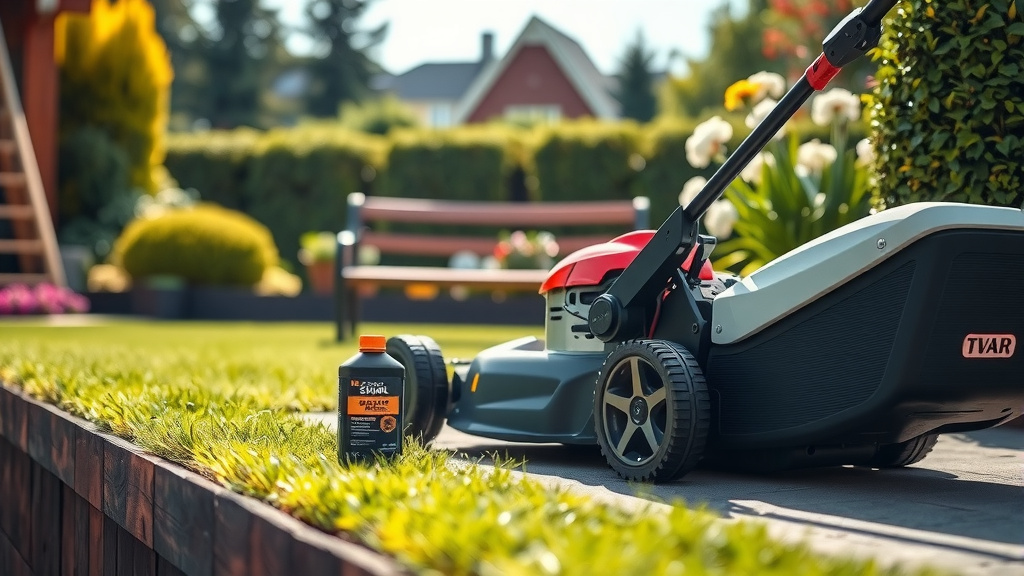
To put stabilizer in your lawn mower, simply pour the recommended amount directly into the gas tank before winter storage or extended non-use.
After adding the fuel stabilizer, run the engine for a few minutes to circulate the treated fuel through the carburetor and fuel lines for full protection.
Here’s a quick summary of what you’ll find in this guide:
- Learn why fuel stabilizer is a small step with big benefits for your mower’s engine.
- Discover the simple, step-by-step process of adding stabilizer to your fuel tank.
- Understand the importance of running the engine after adding stabilizer for full protection.
- Find out when it’s best to use stabilizer, whether for seasonal storage or just occasional use.
- Get practical tips and avoid common mistakes to keep your mower ready to go.
How To Put Stabilizer In Lawn Mower?
Putting stabilizer in your lawn mower is straightforward: measure the correct amount based on your fuel volume and pour it into the gas tank.
Then, start the mower and let it run for about 5-10 minutes to make sure the treated fuel reaches all parts of the fuel system.
Why Does Your Mower Need Stabilizer?
Imagine leaving a fresh loaf of bread out on the counter. After a while, it gets stale, right? Gasoline does something similar, especially with today’s ethanol blends.
Ethanol, often mixed into gasoline, loves to attract water. This can lead to phase separation, meaning the ethanol and water separate from the gasoline, sinking to the bottom of your tank.
When this happens, you get water-rich fuel sitting in your carburetor, which can cause corrosion and gum up vital parts. Our research indicates this is a common issue for many small engines.
The Silent Threat of Stale Fuel
Over time, gasoline breaks down and oxidizes. It forms gummy deposits and varnish that can clog fuel lines, filters, and carburetor jets.
These deposits can turn your reliable mower into a frustrating, non-starting machine when spring rolls around.
Using a fuel stabilizer helps prevent these chemical changes, keeping your fuel fresh and your engine parts clean and ready to work.
Understanding Fuel Stabilizer Types
Not all stabilizers are exactly the same, but they all aim to do one job: preserve your fuel. Most are designed to prevent oxidation and ethanol-related problems.
Some products offer additional benefits, like cleaning existing deposits, but their main purpose is preventive.
Many experts agree that any reputable fuel stabilizer is a wise investment for extending engine life and ensuring reliable starts.
Liquid vs. Tablet Formulas
The most common form you’ll find is a liquid stabilizer, which you measure and pour directly into the fuel tank.
Some brands offer tablet forms, which you drop into the tank, and they dissolve over time. Both types work to stabilize fuel.
The choice often comes down to personal preference for ease of use or specific brand loyalty.
Picking the Right Stabilizer for Your Machine
When choosing a stabilizer, always check the label for its compatibility with your fuel type.
Most stabilizers work with regular gasoline, including ethanol blends, but it’s always good to double-check.
We found that many engine manufacturers suggest using a stabilizer designed for small engines, as these are formulated to handle the specific needs of mowers, chainsaws, and other outdoor power equipment.
Your Step-by-Step Guide to Adding Stabilizer
Adding stabilizer isn’t a complex procedure, but following a few steps ensures you do it correctly for maximum protection.
Think of it like adding a vitamin to your engine’s diet; a little preparation makes it more effective.
Gathering Your Gear
Before you begin, make sure you have everything you need. This makes the process smooth and quick.
- Your chosen fuel stabilizer product.
- A measuring cup or syringe, if your stabilizer bottle doesn’t have one built-in.
- A funnel to avoid spills.
- Paper towels or rags for any drips.
- Your lawn mower, of course!
Calculating the Correct Amount
This is where the product label becomes your best friend. Each stabilizer has a specific ratio of product to fuel.
You’ll need to know the approximate fuel capacity of your lawn mower’s gas tank. If you’re filling up a separate gas can, estimate the volume there.
Generally, a small amount goes a long way. For example, some products recommend one ounce for every 2.5 gallons of fuel.
The Pour and Swirl Method
Once you’ve measured the correct amount, it’s time to add it to the tank.
Carefully pour the stabilizer into your mower’s gas tank, using a funnel to prevent spillage.
After pouring, gently rock the mower a bit (if it’s safe to do so) or swirl the fuel in your gas can to help the stabilizer mix with the gasoline.
Circulating the Stabilizer Effectively
This step is often overlooked, but it’s really important. Simply adding stabilizer to the tank isn’t enough.
You need to ensure the stabilized fuel travels beyond the tank and into the carburetor and fuel lines.
Start your lawn mower and let it run for at least 5 to 10 minutes. This draws the treated fuel through the entire system, protecting all those vital components.
When to Reach for That Stabilizer Bottle
Knowing when to use stabilizer is key to its effectiveness. It’s not just a winter-only product.
Thinking ahead can save you a lot of headache and potential repair costs down the road.
Seasonal Storage Essentials
The most common reason to use fuel stabilizer is before storing your lawn mower for the off-season, typically over winter.
Without stabilizer, that fuel will degrade, making spring startups a real chore or even impossible.
Add stabilizer to a full tank of fuel before storing. A full tank reduces the amount of air inside, further minimizing condensation and fuel breakdown.
Infrequent Use Scenarios
What if you don’t store your mower for an entire season? You might still benefit from stabilizer.
If you only mow occasionally, perhaps once a month, or have other small engines like leaf blowers or string trimmers that sit for weeks at a time, stabilizer is still a good idea.
Many engine care guides recommend using stabilizer any time an engine will sit for more than 30 days. It’s cheap insurance for your equipment.
Common Stabilizer Mistakes to Avoid
Even with good intentions, sometimes small errors can reduce the effectiveness of your stabilizer.
Here are a few pitfalls we’ve observed people fall into:
| Mistake | Why It’s a Problem | Better Practice |
|---|---|---|
| Not using enough stabilizer | Under-treating fuel leaves it vulnerable to breakdown. | Always measure precisely according to product instructions. |
| Adding to an empty tank | Stabilizer needs fuel to mix and circulate properly. | Add stabilizer to a fresh tank of fuel, then run the engine. |
| Forgetting to run the engine | Stabilizer only protects fuel in the tank if not circulated. | Run the mower for 5-10 minutes after adding stabilizer. |
| Using old stabilizer | Stabilizer can lose potency over many years. | Check the product’s shelf life; buy fresh if very old. |
Beyond Stabilizer: Other Storage Tips
While fuel stabilizer is a hero for your engine, a few other steps can ensure your mower is perfectly preserved.
These practices work together to give your mower the best chance for a long, productive life.
Here’s a quick checklist to enhance your mower’s storage:
- Clean the deck: Remove grass clippings and debris from underneath the mower.
- Change the oil: Old oil can contain corrosive acids, so replace it before storage.
- Remove the spark plug: Disconnect it for safety and inspect it for wear.
- Clean the air filter: A clean filter means better performance next season.
- Store in a dry place: Protect your mower from moisture and extreme temperatures.
Conclusion
Adding fuel stabilizer to your lawn mower is a simple, yet highly effective way to protect your investment and ensure it starts reliably season after season.
By preventing fuel degradation and ethanol-related problems, you’re saving yourself from potential headaches and costly repairs.
Remember, it’s not just for winter storage; consider using it any time your mower will sit idle for more than a few weeks. A little proactive care goes a long way!
What kind of fuel stabilizer is best for lawn mowers?
For lawn mowers, a fuel stabilizer specifically designed for small engines is generally best. These products are formulated to combat the unique challenges of gasoline with ethanol, preventing corrosion and gumming in carburetor systems and fuel lines. Many popular brands offer effective solutions tailored for outdoor power equipment.
How much stabilizer should I put in my lawn mower?
The exact amount of stabilizer you should use depends on the product and the volume of fuel. Always check the instructions on your stabilizer bottle, as ratios vary. Typically, it’s a small amount, like one ounce per 2 to 3 gallons of gasoline, but precise measurement according to the label is crucial for effectiveness.
Do I need to run the engine after adding fuel stabilizer?
Yes, absolutely. Running the engine for 5 to 10 minutes after adding fuel stabilizer is a critical step. This ensures that the stabilized fuel circulates throughout the entire fuel system, including the carburetor and fuel lines, fully protecting all components from fuel degradation.
Can I add fuel stabilizer to old gas already in the tank?
While you can add stabilizer to old gas, its effectiveness is limited. Stabilizer works best as a preventative measure for fresh fuel. If the gas is already significantly degraded, discolored, or smells sour, the stabilizer won’t reverse the damage. It’s better to drain truly old, stale gas and refill with fresh fuel before adding stabilizer.
How long does fuel stabilizer keep gas fresh in a lawn mower?
Most reputable fuel stabilizers are designed to keep gasoline fresh for 12 to 24 months when mixed correctly. This makes them ideal for seasonal storage. However, always refer to the specific product’s claims, as performance can vary slightly between brands and formulations.
