
How To Read Lawn Mower Dipstick?
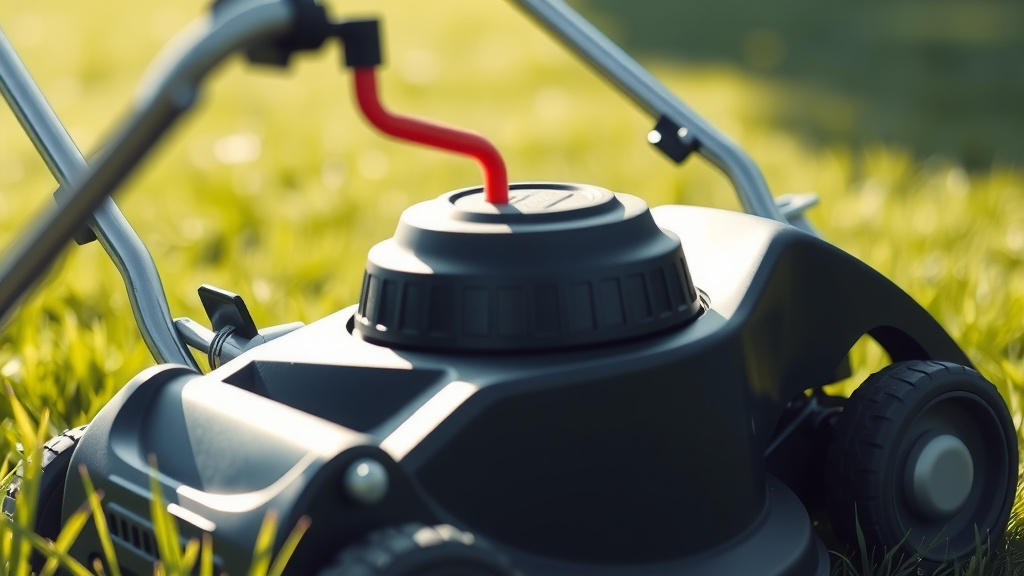
To properly read your lawn mower dipstick, ensure your mower is on a flat, level surface and the engine is completely cool. After cleaning the dipstick, reinsert it fully without screwing it in (unless specified by your manual), then pull it out to observe the oil level between the ‘Full’ and ‘Add’ marks.
Your lawn mower’s oil level should always sit within these designated marks for optimal performance and engine longevity, never exceeding the ‘Full’ line.
Here’s a quick summary to get you started:
- Always check your lawn mower’s oil when the engine is cold and on a level surface.
- Locate the dipstick, pull it out, and wipe it completely clean with a rag.
- Reinsert the dipstick fully without screwing it in (for most models), then pull it out again.
- The oil level should fall between the ‘Full’ and ‘Add’ indicators on the dipstick.
- If too low, add the correct type of oil; if too high, remove some to prevent damage.
You’re standing in your garage, ready to tackle the lawn, but wait! Have you checked your mower’s oil lately? Just like the engine in your car, your lawn mower relies on its oil for smooth operation. Checking the dipstick might seem like a small thing, but it’s a big deal for keeping your mower running strong. We’re here to walk you through it, step by step.
How To Read Lawn Mower Dipstick?
Reading your lawn mower’s dipstick involves a few simple, careful steps to ensure your engine has the correct amount of oil. You’ll simply pull it out, wipe it clean, reinsert, then check the oil level against the marked lines.
Why Checking Your Oil Matters So Much
Imagine your body without enough blood – not a pretty picture, right? Your lawn mower’s engine oil works much the same way. It lubricates moving parts, reduces friction, and keeps the engine cool. Ignoring oil levels can lead to serious engine damage, meaning a broken mower and a frustrating day for you. Many experts say a quick oil check is the easiest preventative maintenance you can do (Briggs & Stratton).
Gather Your Gear: What You’ll Need
Before you start, gather a few basic items. You’ll need some clean rags or paper towels, a funnel (if you plan to add oil), and a bottle of the correct type of engine oil for your mower. Having everything ready makes the process smooth and quick.
Safety First, Always!
You should always prioritize safety. Make sure your lawn mower is turned off, and the engine has had plenty of time to cool down. A hot engine can give you a false reading and, more importantly, cause burns. Also, park the mower on a perfectly level surface; an angled mower will show an inaccurate oil level.
The Step-By-Step Dipstick Reading Guide
Let’s break down the process into easy-to-follow steps. It’s quite straightforward once you know the routine.
Step 1: Park It Flat and Cool Down
As we mentioned, find a flat spot in your yard or garage. Turn off the engine and let it sit for at least 15-20 minutes. This allows all the oil to drain back into the crankcase, giving you an accurate measurement.
Step 2: Locate the Dipstick
On most walk-behind mowers, the dipstick is a brightly colored cap (often yellow or orange) usually found near the engine. On riding mowers, it might be on the side or back of the engine block. Give it a gentle twist or pull to remove it.
Step 3: Wipe It Clean
Once you pull out the dipstick, you’ll likely see some oil on it. Grab one of your clean rags and thoroughly wipe off all the oil. You want a perfectly clean surface for your first real reading.
Step 4: Reinsert, Don’t Screw (Usually)
This is a common point of confusion for many. For most push mowers and some riding mowers, you simply push the dipstick all the way back into its tube until it rests firmly. Do NOT screw it in, even if it has threads. However, some specific models do require screwing it in. Always check your mower’s user manual if you’re unsure. We found that most small engines just require a full insertion.
Step 5: Check the Marks
Pull the dipstick out again, slowly and steadily. Now, look at the bottom end. You’ll see two distinct marks, often labeled “Full” and “Add,” or simply indicated by notches or a cross-hatched area. The oil level should be visible between these two marks.
Step 6: Understanding the Readings
Once you’ve got the dipstick out, what do those marks tell you? It’s like a little report card for your engine’s oil health. Here’s a quick overview:
| Oil Level Reading | What It Means | Your Next Step |
|---|---|---|
| Below “Add” | Too Low: Engine needs more oil. | Carefully add oil to reach the “Full” mark. |
| Between “Add” and “Full” | Just Right: Optimal level for operation. | No action needed, you’re good to go! |
| Above “Full” | Too High: Overfilled, can cause issues. | Remove some oil until it’s at the “Full” mark. |
Interpreting Your Oil Level
Understanding what your dipstick is trying to tell you is key to proper mower care. It’s more than just a line; it’s a message from your engine.
What “Full” and “Add” Really Mean
The “Full” line represents the maximum safe oil capacity for your engine. The “Add” line indicates the minimum safe level. If your oil is at or below “Add,” your engine is starved. If it’s above “Full,” you’ve added too much. Your ideal target is always right at the “Full” mark or just below it, never over.
When Your Oil is Too Low
If your oil level is below the “Add” mark, your engine isn’t getting enough lubrication. This can lead to excessive friction, overheating, and premature wear on internal components. You absolutely need to add oil before using the mower. Slowly pour in the correct type of oil using a funnel, checking the dipstick often until you reach the “Full” mark.
When Your Oil is Too High
Believe it or not, too much oil can be just as bad as too little. Overfilling can cause increased pressure within the engine, leading to oil leaks, foaming of the oil, or even damage to seals. If you find your oil level is above “Full,” you’ll need to drain some out. This usually means tipping the mower (carefully!) or using a syringe-like tool to extract the excess. We found that overfilling can be a common mistake.
Signs of Bad Oil
Beyond just the level, you should also pay attention to the oil’s condition. Fresh oil is usually honey-colored and transparent. Over time, it will darken, which is normal. However, if your oil looks milky (a sign of water contamination) or contains metallic particles, it’s a clear sign you need an oil change immediately. Dirty, sludgy oil cannot properly protect your engine.
When to Check Your Lawn Mower Oil
Regular checks are your best friend for a healthy mower. Here’s a simple checklist to keep you on track:
- Before Each Use: A quick check before you start mowing takes seconds and can save you big trouble.
- After Every 5-10 Hours of Operation: Especially if you mow large areas frequently, a more thorough check is wise.
- Before Long Storage Periods: Ensure proper oil levels before storing your mower for the season.
- If You Notice Engine Trouble: Any strange noises, smoking, or decreased power should prompt an immediate oil check.
Common Dipstick Mistakes to Avoid
Even seasoned lawn care enthusiasts can make simple errors. You want to avoid these pitfalls:
One common error is checking the oil when the mower is still hot. You’ll get an inaccurate, usually lower, reading because some oil is still circulating in the engine. Always wait for it to cool down. Another mistake is not wiping the dipstick clean before the second insertion. This leaves old oil smudges, making it hard to see the true level. Also, remember the “don’t screw it in” rule for most models, as screwing it in when not required will also give you a falsely high reading.
Choosing the Right Oil for Your Mower
Using the correct type of oil is vital. Your mower’s manual will specify the exact weight and type (e.g., SAE 30, 10W-30). Using the wrong oil can harm your engine’s performance and lifespan. We found that sticking to the manufacturer’s recommendation is always the best path.
Maintaining Your Mower for a Green Lawn
Checking your oil is just one part of keeping your mower in top shape. Regular blade sharpening, cleaning the deck, and inspecting air filters also contribute to a long-lasting machine and a beautiful lawn. Think of it as a little bit of care now saving you a lot of headache later.
Conclusion
Reading your lawn mower dipstick is a fundamental skill for any homeowner. It’s a simple task that offers significant returns in terms of engine longevity and reliable performance. By following these straightforward steps—parking on a level surface, letting the engine cool, cleaning the dipstick, and accurately interpreting the ‘Full’ and ‘Add’ marks—you ensure your mower always has the lubrication it needs. A few minutes spent checking your oil can keep your lawn mower humming happily for many seasons to come, letting you focus on achieving that perfect stripe in your yard. You’ve got this!
How often should I change my lawn mower’s oil?
Most manufacturers recommend changing your lawn mower’s oil once a mowing season, or after every 25-50 hours of operation, whichever comes first. Refer to your owner’s manual for the most precise recommendation for your specific model.
What kind of oil should I use for my lawn mower?
Always use the specific type and weight of oil recommended in your lawn mower’s owner’s manual. Common types include SAE 30, 10W-30, or 5W-30, but it’s crucial to match it to your engine’s requirements and local climate conditions.
Can I mix different types of oil in my lawn mower?
It’s generally not recommended to mix different types or brands of oil. While some modern oils are compatible, using the same type ensures optimal performance and prevents potential issues from incompatible additives. Stick to one type for consistency.
What if my oil level keeps dropping even after adding some?
If your oil level consistently drops after you’ve topped it off, it indicates a problem such as an oil leak or the engine burning oil. You should inspect for visible leaks around the engine or consult a service professional to diagnose and fix the issue.
Is it okay to check my lawn mower oil on uneven ground?
No, checking your lawn mower’s oil on uneven ground will give you an inaccurate reading. The oil will pool to one side of the crankcase, making it appear either higher or lower than the actual level. Always ensure the mower is on a perfectly flat surface.
