
How To Refuel A Lawn Mower?
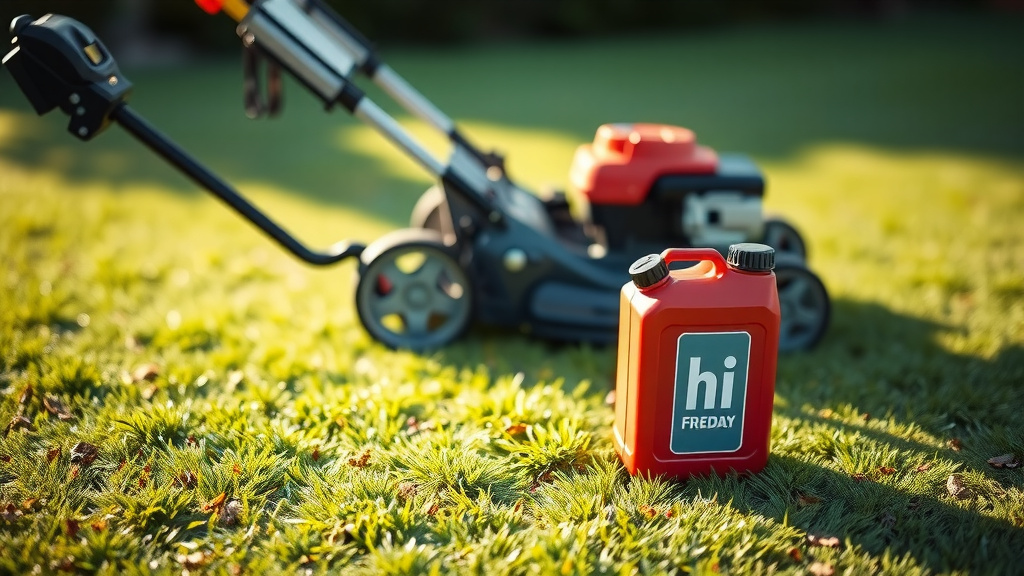
To refuel a lawn mower safely, ensure the engine is cool, choose the correct fuel type (unleaded gasoline with low ethanol), and use a proper, labeled fuel can.
Always refuel your lawn mower outdoors in a well-ventilated area, away from ignition sources, preventing spills and overfilling for a safer lawn care experience.
- Properly refueling your lawn mower starts with ensuring the engine is completely cool to prevent fire hazards.
- Always use fresh, clean unleaded gasoline, making sure it has minimal ethanol content (10% or less) to protect your engine.
- Fill your fuel tank slowly and carefully, leaving a little room for expansion, and avoid spilling fuel on the mower or yourself.
- Use a certified, well-maintained fuel can and store fuel safely away from living areas and ignition sources.
How To Refuel A Lawn Mower?
Refueling a lawn mower involves several important steps for your safety and the machine’s health. We found that a cool engine and proper fuel type are your top priorities before you even open the gas cap.
Why Proper Fueling Matters for Your Mower
Think of your lawn mower as an athlete; it needs the right energy. Using incorrect fuel or bad fueling habits can cause serious engine damage. It can also create dangerous situations for you and others nearby.
Many experts say that consistent, correct fueling practices extend your mower’s lifespan. It also ensures it performs its best when you need it most.
Safety First: Your Number One Priority
Before you touch the fuel can, pause and think safety. Fuel is highly flammable, so a little caution goes a very long way. We always recommend reading your mower’s manual for specific safety instructions (Consumer Reports).
Gathering Your Fueling Essentials
You wouldn’t start a baking project without all your ingredients, right? Refueling is the same. Having the right gear ready makes the job smoother and safer.
Choosing the Right Fuel Type
Most modern lawn mowers use unleaded gasoline. The key is the ethanol content. Many manufacturers advise against using gasoline with more than 10% ethanol (E10).
Ethanol can attract water and corrode engine parts over time. We found that using premium, non-ethanol, or ethanol-free gas is often preferred for small engines. Always check your mower’s manual.
Selecting a Safe Fuel Can
A good fuel can is non-negotiable. Look for one that is UL-approved and clearly labeled for gasoline. Plastic cans are common and often easier to handle.
Ensure your can has a working spout that seals properly. This prevents spills and keeps fuel fresh. Don’t use old milk jugs or unapproved containers.
Pre-Fueling Safety Checks
Before any fuel comes out of the can, let’s do a quick safety review. These simple steps protect you from potential hazards.
Cool Down Your Engine
This is perhaps the most important rule. A hot engine plus gasoline is a recipe for disaster. Always let your mower cool down for at least 10-15 minutes after use.
A good rule of thumb: if you can’t comfortably touch the engine, it’s too hot to refuel. Patience here is a virtue.
Clear the Area
Find a spot outdoors, away from any heat sources like grills or water heaters. Make sure the ground is level and clear of dry leaves or grass.
Keep children and pets away from the area. Also, ensure you are not smoking or using any ignition sources nearby. Many guidelines point to a clear, outdoor space as a good first step (OSHA).
Here’s a quick checklist to help you stay safe:
- Engine is completely cool.
- Mower is on a level, stable surface.
- Fuel cap is accessible and clean.
- Ventilation is good (always outdoors).
- No smoking or open flames nearby.
- Children and pets are at a safe distance.
The Step-by-Step Refueling Process
You’ve done your prep work; now it’s time to add the fuel. Follow these steps carefully for a smooth process.
Opening the Fuel Tank Safely
Locate your mower’s fuel cap. It often has a picture of a gas pump. Unscrew it slowly to release any pressure buildup.
Place the cap somewhere clean and secure. You don’t want dirt getting into your fuel tank. A clean cap means a clean engine system.
Pouring the Fuel Correctly
Carefully insert the fuel can’s spout into the mower’s fuel tank opening. Hold the can steady and begin pouring slowly.
Avoid rushing. A slow, steady stream reduces splashing and spills. You might need to tilt the mower slightly for better access, but always maintain its stability.
Avoiding Spills and Overfilling
Watch the fuel level closely. Most tanks have a visual indicator or fill line. Stop pouring when the tank is about 90% full.
Leaving a small air gap allows for fuel expansion, especially on hot days. Overfilling can lead to spills and potential fire hazards.
Securing the Fuel Cap
Once filled, replace the fuel cap immediately. Turn it clockwise until it’s tight. Some caps click when fully secured.
A tight cap prevents fuel from sloshing out and keeps debris from entering the tank. This simple action protects your fuel and engine.
What to Do If You Spill Fuel
Accidents happen, even to the most careful among us. Knowing what to do in case of a spill is vital for safety.
Immediate Actions for Small Spills
If you have a small spill, don’t panic. Quickly grab some rags or absorbent material. Paper towels work well for immediate cleanup.
Wipe up the spilled fuel immediately. Be especially careful if fuel spills on the engine or hot parts. Keep the area well-ventilated.
Cleaning Up Fuel Residue
After wiping, use soap and water to clean any remaining residue on the mower or ground. This helps remove the lingering smell and prevents damage.
Properly dispose of fuel-soaked rags. Many municipal guidelines suggest placing them in a sealed metal container to prevent spontaneous combustion. Never toss them into regular trash right away.
Storing Your Fuel Safely
After your mower is refueled, think about your fuel can. Proper storage protects the fuel and your home.
Best Practices for Fuel Storage
| Storage Aspect | Why It Matters |
|---|---|
| Location | Store in a detached shed or garage, away from living areas and ignition sources. Prevents fumes from entering your home. |
| Temperature | Keep cool and dry. Extreme temperatures can degrade fuel quality and increase pressure inside the can. |
| Container | Always use a certified, well-sealed fuel can. Prevents leaks and keeps contaminants out. |
| Stabilizer | Use fuel stabilizer if storing for more than 30 days. Keeps fuel fresh and prevents engine issues (EPA). |
Remember, fuel has a shelf life, even with stabilizers. We found that fresh fuel provides the best performance and reduces wear on your engine.
Common Refueling Mistakes to Avoid
Even experienced homeowners can make mistakes. Being aware of these common pitfalls helps you stay safe and keep your mower running.
- Refueling a hot engine: This is a major fire risk.
- Using an unapproved fuel container: Not designed for fuel, can leak or degrade.
- Overfilling the tank: Leads to spills and wasted fuel.
- Smoking while refueling: Any spark can ignite fumes.
- Storing fuel indoors: Fire hazard, fumes can be harmful.
- Ignoring the manual’s fuel recommendations: Can damage your engine.
Conclusion
Refueling your lawn mower might seem like a simple task, but doing it correctly is crucial for your safety and the longevity of your equipment. By following these practical steps—from ensuring a cool engine and choosing the right fuel to handling spills and storing fuel safely—you’re not just topping off a tank; you’re investing in a safer, more efficient lawn care routine.
Remember, a little preparation and careful attention go a long way. So, next time your mower runs low, take a moment, be mindful, and refuel with confidence. Your lawn, and your peace of mind, will thank you.
How often should I refuel my lawn mower?
You should refuel your lawn mower as needed, typically before each significant mowing session or when the fuel gauge shows low. It’s often best to start with a full tank to avoid interruptions and ensure consistent engine performance.
Can I use car gasoline in my lawn mower?
Generally, yes, but be cautious about the ethanol content. Most lawn mowers can use standard unleaded gasoline (87 octane). However, gas with more than 10% ethanol (like E15 or E85) can harm small engines over time. Always check your mower’s manual for specific fuel recommendations.
What happens if I put the wrong type of fuel in my lawn mower?
Putting the wrong fuel, like diesel or E85, into a gas-powered lawn mower can cause significant engine damage. At best, the mower might not start or run poorly. At worst, it could lead to costly repairs or complete engine failure. If this happens, do not start the mower; drain the tank immediately.
Is it okay to store gasoline in the lawn mower over winter?
It’s generally not recommended to store gasoline in the mower over winter without proper preparation. Fuel can degrade over time, especially with ethanol, leading to gumming or corrosion in the fuel system. If you must store it, add a fuel stabilizer according to product directions, or drain the tank completely.
What safety gear should I wear when refueling my lawn mower?
While not always strictly required for refueling, wearing safety glasses can protect your eyes from splashes. If you are sensitive to fumes, consider wearing gloves to avoid skin contact and performing the task in a very well-ventilated area.
