
How To Remove Broken Muffler Bolt From Lawn Mower?
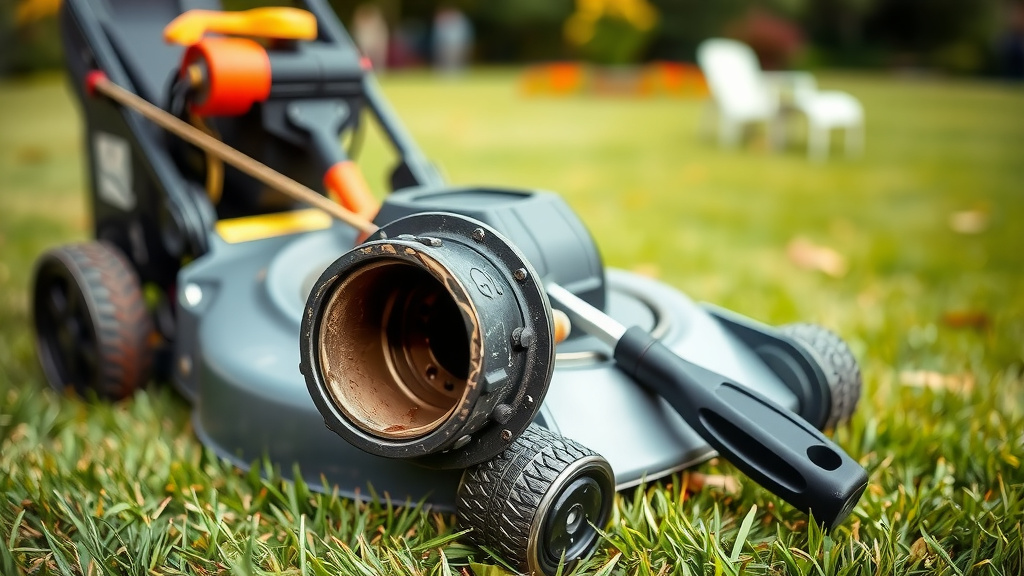
Removing a broken muffler bolt from your lawn mower often involves drilling a pilot hole, then using a specialized bolt extractor tool to grip and twist out the damaged fastener.
Another effective method to remove broken muffler bolt from lawn mower is applying controlled heat to expand the surrounding metal, carefully loosening the stubborn bolt.
Stuck with a broken muffler bolt? Don’t fret! Here’s the quick scoop on how to get it out:
- Always prioritize safety: disconnect the spark plug and wear protective gear.
- Start with penetrating oil to loosen the bolt. Give it time to work.
- Drill a small pilot hole into the bolt, then use a bolt extractor.
- Apply controlled heat around the bolt if it’s still stubborn.
- If these methods fail, a professional mechanic can help you avoid further damage.
How To Remove Broken Muffler Bolt From Lawn Mower?
To remove a broken muffler bolt from your lawn mower, you generally need to drill a small pilot hole into the center of the bolt, then carefully insert and turn a bolt extractor tool counter-clockwise. This process helps grab the bolt and free it from its threads.
Why Do Muffler Bolts Break?
Have you ever wondered why these little bolts give up? Muffler bolts often break due to constant vibration from the engine. Over time, this shaking weakens the metal, making it brittle.
Exposure to heat cycles also plays a role. The muffler gets hot, then cools, causing the metal to expand and contract. This stress can cause bolts to fatigue and snap.
Rust and corrosion are also major culprits. Moisture and exhaust gases create a harsh environment, eating away at the bolt material. A rusted bolt is far more likely to break when you try to loosen it.
Safety First: Your Gear Matters
Before you even think about touching that broken bolt, your safety is paramount. You are working with sharp tools and potentially hot components. It’s like preparing for a mini-surgery, you need the right protective gear.
First, always disconnect the spark plug wire. This stops the engine from accidentally starting. Many repair guides suggest this as a universal first step for any mower maintenance (Lawn Mower Repair Manuals).
Wear safety glasses or goggles to protect your eyes from flying debris. Gloves are also a good idea to keep your hands safe from sharp edges and hot parts.
Tools You’ll Need
Gathering your tools beforehand makes the job smoother. Think of it as preparing your workbench for a creative project. You don’t want to stop mid-task to search for a tool.
Here’s a list of common tools we found helpful for this repair:
| Tool | Purpose |
|---|---|
| Penetrating Oil | Loosens rusted bolts and threads. |
| Drill & Drill Bits | Creates a pilot hole in the broken bolt. |
| Bolt Extractor Set | Removes the broken bolt after drilling. |
| Heat Gun or Torch | Applies heat to expand surrounding metal. |
| Hammer & Center Punch | Starts the pilot hole precisely. |
| Pliers or Vice Grips | For gripping any remaining bolt shaft. |
Step-by-Step Guide: Extracting the Broken Bolt
Let’s get down to business. Taking out a broken bolt can feel daunting, but with patience and the right steps, you can do it. Think of it as a puzzle; each piece helps you solve the next.
Initial Assessment and Penetrating Oil
First, take a good look at the broken bolt. Is any part of it sticking out? If so, you might be able to grip it with vice grips. If not, don’t worry, we have other tricks.
Spray a generous amount of penetrating oil onto the broken bolt. This oil works its magic by seeping into the threads. It helps loosen any rust or corrosion that’s holding the bolt tight.
Give the oil some time to work. We found that letting it soak for at least 15-30 minutes, or even overnight for very stubborn bolts, makes a big difference. Patience really is a virtue here.
The Bolt Extractor Method
This is often your best bet when the bolt has snapped flush with the surface. It’s a common method recommended by mechanics (Auto Repair Basics).
Drilling the Pilot Hole
Using a center punch and a hammer, tap a small indentation right in the middle of the broken bolt. This mark will guide your drill bit, preventing it from wandering off-center.
Choose a drill bit slightly smaller than the bolt extractor you plan to use. Carefully drill a pilot hole into the broken bolt. Keep the drill straight and use slow, steady pressure.
Go deep enough for the extractor to get a good grip. Many experts say a clean, centered hole is key to a successful extraction.
Inserting the Extractor
Now, select the correct size bolt extractor from your set. These tools have reverse (left-hand) threads designed to bite into the metal.
Insert the extractor into the pilot hole. Slowly turn it counter-clockwise with a wrench or tap handle. As you turn, the extractor will bite into the bolt.
Keep turning gently. With luck, the extractor will grip the bolt and begin to spin it out. If it feels stuck, stop and reassess. You don’t want to break the extractor inside the bolt.
Using Heat
Sometimes, penetrating oil alone isn’t enough. Heat can be your secret weapon. When you heat metal, it expands. Cooling it causes it to contract.
Apply heat using a heat gun or small torch around the area where the bolt is threaded, not directly on the bolt itself. This expands the surrounding metal, creating a tiny gap.
Once heated, try the extractor again or apply more penetrating oil. As it cools, the metal will contract, sometimes breaking the rust seal. Use caution and eye protection when working with heat.
What If Nothing Works?
It’s okay if a bolt remains stubborn. Some jobs are just tougher than others. If you’ve tried these methods and the bolt won’t budge, it might be time to consider professional help. Sometimes, forcing it can cause more damage.
Prevention is Key
An ounce of prevention is worth a pound of cure, right? Stopping bolts from breaking in the first place saves you a lot of headache later. Keeping your mower in good shape protects your investment.
Regular Maintenance Checks
Periodically inspect your muffler bolts. Look for any signs of rust or wear. A quick visual check can catch issues before they escalate into a broken bolt. We found that regular checks can significantly extend component life.
When you’re doing other maintenance, like changing the oil, take an extra minute to peek at the muffler. It’s a small step that can save a lot of frustration later on.
Using the Right Torque
When replacing muffler bolts, do not overtighten them. Overtightening can stretch and weaken the bolt, making it prone to snapping later.
Consult your lawn mower’s owner’s manual for the correct torque specifications. Using a torque wrench ensures you tighten bolts just right. This prevents both loosening and overtightening issues (Manufacturer Guidelines).
Troubleshooting Common Issues
Even with the best plan, you might hit a snag. Here’s a quick checklist to help you troubleshoot some common problems you might encounter while removing that broken bolt:
- Drill Bit Broke: This happens. Try to remove the broken bit with pliers. If not, you might need to try a smaller pilot hole elsewhere or consult a pro.
- Extractor Broke: Oh no! This is tough. Sometimes you can drill around the broken extractor, but it’s often best to stop here and call a professional.
- Bolt Still Stuck After Heat: Reapply penetrating oil, let it soak longer. Sometimes multiple heat cycles help.
- Hole Isn’t Centered: This makes extraction very hard. If it’s too off-center, you might need to start with a new, larger bit to re-center or seek professional help.
- Metal Around Bolt Damaged: If the muffler or engine block is damaged, stop immediately. You’ll need professional repair to avoid leaks or further problems.
When to Call a Pro
It’s always smart to know your limits. If the bolt is simply not coming out, or if you feel you might cause more damage, it’s perfectly fine to call a professional. They have specialized tools and experience that can handle the toughest broken bolts without damaging your mower further.
Sometimes, the cost of a professional repair is less than the cost of replacing a damaged engine part. Think of it as investing in your mower’s longevity and your peace of mind.
Conclusion
Removing a broken muffler bolt from your lawn mower can be a tricky task, but it’s definitely manageable with the right approach. Remember to always put safety first, gather your tools, and tackle the problem with patience. Whether you’re using penetrating oil, a bolt extractor, or a bit of heat, taking your time will yield the best results.
Don’t forget the power of prevention! Regular checks and proper tightening can help you avoid this headache altogether. If things get too tough, there’s no shame in calling in a professional. Your lawn mower will thank you for the careful attention.
What kind of drill bit should I use for a broken bolt?
You should use a high-quality, sharp drill bit, typically a cobalt or titanium-coated bit. The size of the bit should be slightly smaller than the bolt extractor you plan to use, ensuring it creates a good pilot hole without damaging the surrounding threads.
Can I use a regular drill to remove a broken bolt?
Yes, a regular electric or cordless drill is suitable for drilling a pilot hole into a broken bolt. Just ensure it has enough power and that you use it at a slow, steady speed to maintain control and prevent the bit from breaking.
How do I prevent muffler bolts from breaking in the future?
To prevent future breaks, regularly inspect your muffler bolts for rust or wear. When replacing them, use anti-seize compound on the threads and tighten them to the manufacturer’s specified torque using a torque wrench. Avoid overtightening.
Is it safe to use a propane torch to heat the bolt?
Using a propane torch can be effective, but it requires extreme caution. Ensure you work in a well-ventilated area, have a fire extinguisher nearby, and protect surrounding components from heat. Only apply heat directly to the metal around the bolt, not to the fuel tank or lines.
What’s the difference between a bolt extractor and a screw extractor?
While often used interchangeably, bolt extractors are generally designed for larger, stronger fasteners like bolts, often requiring a drilled pilot hole. Screw extractors are typically smaller and used for stripped screw heads, sometimes just needing to be tapped in before turning.
