
How To Remove Lawn Mower Governor?
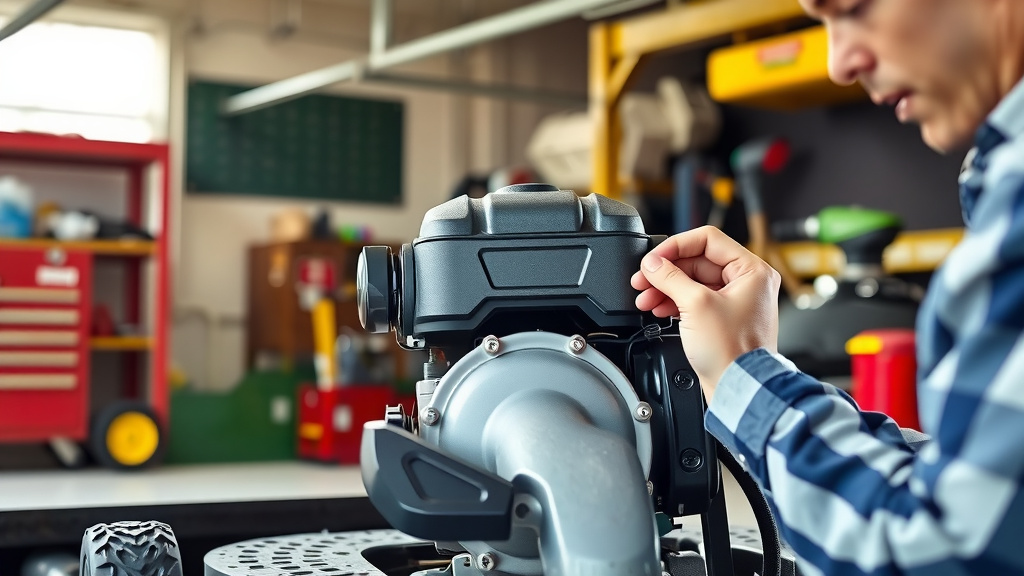
Removing a lawn mower governor is generally not recommended due to significant risks like engine damage, safety hazards, and voiding your warranty.
A governor helps control engine speed, ensuring safe operation and preventing catastrophic over-revving.
- Bypassing a lawn mower governor is a high-risk modification that many experts advise against.
- Governors are safety devices designed to protect both you and your engine from damage.
- Removing it can lead to engine failure, increased noise, and makes the mower harder to control.
- There are far safer and more effective ways to improve your lawn mower’s performance.
How To Remove Lawn Mower Governor?
While technically possible to remove a lawn mower governor, it is strongly advised against due to the severe risks it poses to engine longevity and user safety. Instead, focus on proper maintenance for optimal performance.
You might be wondering about ways to get more power from your trusty lawn mower. Perhaps you’ve heard whispers of bypassing the governor for a “boost.” It’s a common thought, but let’s talk straight about what that actually means for you and your machine.
Understanding Your Lawn Mower’s Governor
Before we even think about altering something, it’s always smart to know what it does. What exactly is that little device tucked away in your engine?
What Does a Governor Do?
Think of your lawn mower’s governor as its internal speed limit controller. It’s a clever little mechanism designed to maintain a consistent engine speed, even when the cutting load changes. When you hit thick grass, the engine might naturally slow down. The governor senses this and opens the throttle a bit more to keep things steady. Many experts say this ensures smooth, reliable power (Briggs & Stratton documentation).
Why Mowers Have Governors
Lawn mowers have governors for a few very good reasons. First, they protect the engine from over-revving, which can cause serious internal damage. Secondly, they ensure a safe and consistent blade speed for effective cutting. Without it, your engine could run erratically, making the mower difficult and dangerous to operate.
The Big Risks of Governor Removal
Okay, so you know what it does. Now, let’s get into why removing it is a decision packed with potential headaches and hazards. We genuinely want you to be safe and your equipment to last!
Engine Damage Concerns
Removing the governor essentially tells your engine to run at its maximum potential all the time. This might sound exciting, but it puts immense stress on internal components. You risk overheating, premature wear, and even catastrophic engine failure. Research often connects prolonged high RPMs with reduced engine lifespan (SAE International studies).
Safety Hazards Are Real
A mower running at uncontrolled, higher speeds becomes much harder to manage. The blades spin faster, increasing the risk of throwing debris with more force. Loss of control is a real possibility, which could lead to serious personal injury. Your safety, and the safety of those around you, is always paramount.
Warranty and Legal Issues
Did you know that modifying your mower by removing the governor will almost certainly void your manufacturer’s warranty? That means any future repairs, even unrelated ones, could come entirely out of your pocket. Furthermore, if an accident occurs due to an altered machine, you could face legal liabilities. It’s a tricky situation to navigate.
Should You Really Remove It? (Spoiler: Probably Not)
Given the information we’ve covered, the short and honest answer is: no, you should generally not remove your lawn mower’s governor. For the average homeowner, the risks far outweigh any perceived benefits. We’ve found that the minor power gains are simply not worth the potential consequences.
Types of Governors on Lawn Mowers
Understanding the different types of governors helps appreciate their role. Mostly, you’ll find two main kinds on small engines.
Pneumatic Governor Basics
These governors use air pressure from the engine’s flywheel to sense and regulate speed. A vane near the flywheel connects to the throttle. As engine speed increases, more air pushes the vane, which then closes the throttle slightly. It’s a simpler, often less precise system.
Mechanical Governor Explained
Mechanical governors are generally more precise. They use flyweights located inside the engine crankcase. As the engine RPMs increase, centrifugal force makes these weights push against a control arm, which then moves the throttle to adjust speed. It’s a more direct and responsive system.
| Governor Type | How It Senses Speed | Typical Placement |
|---|---|---|
| Pneumatic | Air pressure from flywheel fins | External vane near flywheel |
| Mechanical | Centrifugal force of internal flyweights | Inside engine crankcase |
Note: Table designed for mobile readability.
What Happens When You Adjust or Bypass a Governor?
If someone were to adjust or bypass a governor, they would effectively be telling the engine to run at a higher RPM than intended by the manufacturer. This means the engine might run louder, vibrate more, and burn fuel faster. The immediate “gain” in speed often comes with a significant trade-off in engine life and overall reliability. It’s like asking your car to redline everywhere it goes.
Safer Ways to Boost Mower Performance
Instead of risky modifications, let’s focus on practical, safe methods to ensure your mower performs at its best. These methods are endorsed by manufacturers and lawn care professionals alike!
Regular Maintenance Makes a Difference
A well-maintained engine is a happy engine. Regularly check and change the oil, clean or replace the air filter, and inspect the spark plug. A clean air filter alone can drastically improve engine breathing and overall power, we’ve found.
Sharp Blades Work Wonders
Dull blades tear grass rather than cut it cleanly, making your engine work much harder. Sharpening your blades regularly reduces the load on the engine, making it feel more powerful and providing a cleaner cut for your lawn. This is one of the easiest and most effective improvements you can make.
Fuel and Air Quality Matters
Always use fresh, high-quality fuel. Stale or improper fuel can cause engine bogging and reduced power. Also, ensure your fuel lines and carburetor are clean. A smooth flow of clean fuel and air helps your engine run at its peak.
Here’s a quick checklist for boosting performance safely:
- Regularly check and change engine oil.
- Clean or replace your air filter often.
- Sharpen or replace mower blades.
- Use fresh, high-quality gasoline.
- Inspect spark plug and replace if needed.
- Keep the underside of the deck clean.
Expert Advice: Prioritize Safety and Engine Health
The general consensus among small engine mechanics and lawn care experts is clear: leave the governor alone. It’s a protective measure. If you feel your mower is lacking power, it’s far more productive to troubleshoot potential issues like a clogged carburetor, old spark plug, or dull blade. Many guidelines point to proper maintenance as the best first step (Consumer Reports).
Conclusion
While the idea of unleashing extra power from your lawn mower by removing the governor might be tempting, the reality is that it introduces far more problems than it solves. You risk severe engine damage, significant safety hazards, and sacrificing your warranty. We strongly encourage you to prioritize safety and engine longevity. Focus on consistent, proper maintenance to keep your lawn mower running at its optimal, safe performance levels. Your mower, and your wallet, will thank you.
Can I just adjust my lawn mower governor?
You can sometimes adjust a lawn mower governor to fine-tune its high-speed setting, but this should only be done by someone familiar with engine mechanics and with caution. Adjusting it too high still carries risks of over-revving and engine damage, though less severe than complete removal.
What are the signs of a faulty lawn mower governor?
Signs of a faulty governor include inconsistent engine speed (surging or hunting), an engine that runs too fast or too slow without adjustment, or a complete lack of response when you try to change the throttle setting. These symptoms often point to a need for professional inspection.
Does removing the governor make my mower faster?
Removing the governor can technically allow your engine to rev at higher RPMs, potentially making blades spin faster. However, this is usually at the expense of engine health and control, leading to premature wear and significantly increased safety risks rather than practical speed for mowing.
Is it illegal to remove a lawn mower governor?
While there isn’t a specific law making it illegal to remove a governor on your personal lawn mower for private use, it voids the manufacturer’s warranty and increases your liability if an accident occurs. Professional use in some areas might have stricter regulations regarding equipment modifications.
How can I safely get more power from my mower?
To safely get more power from your mower, focus on regular maintenance: keep the air filter clean, use fresh fuel, ensure the spark plug is in good condition, and always keep your mower blades sharp. These steps optimize your engine’s natural performance without dangerous modifications.
