
How To Remove Spark Plugs From Lawn Mower?
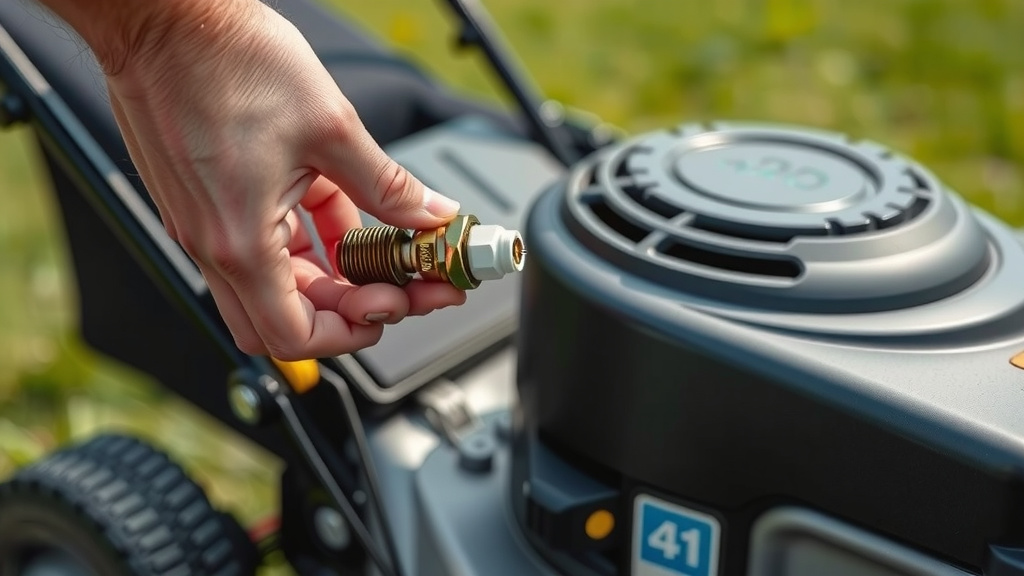
To remove spark plugs from your lawn mower, first disconnect the spark plug wire to prevent accidental engine start-up. Next, use a properly sized spark plug wrench to gently loosen and unscrew the old spark plug from its cylinder head.
Before you attempt to remove spark plugs from your lawn mower, ensure the engine is cool and you have the right tools, especially a spark plug wrench, to avoid damage.
Here’s a quick overview of what you’ll find in this guide:
- Understand the importance of spark plug care for your lawn mower.
- Learn how to gather the right tools for the job.
- Follow our simple step-by-step instructions for safe removal.
- Discover troubleshooting tips if you encounter any problems.
- Find out when it’s the right time to replace your spark plug.
How To Remove Spark Plugs From Lawn Mower?
Removing spark plugs from your lawn mower is a routine maintenance task that helps keep your machine running smoothly. It’s a straightforward process when you know the steps and have the correct tools ready.
Safety First: Your Number One Priority
Before touching anything on your lawn mower, think about safety. We found that most common lawn mower accidents happen when people skip basic precautions. Your safety truly matters.
Always make sure the engine is completely cool. A hot engine can cause burns. Also, disconnect the spark plug wire entirely to prevent the engine from accidentally starting while you’re working. It’s a simple step, but it’s critically important.
Personal Protective Equipment (PPE)
Wearing safety gear is always a good idea. Grab a pair of work gloves to protect your hands. Safety glasses can also shield your eyes from any debris or unexpected sprays.
Gathering Your Essential Tools
Having the right tools makes this job much easier. Trying to use the wrong wrench can strip the plug or even damage the engine. Many experts say that proper tool selection prevents frustration and costly repairs.
- Spark plug wrench (usually 13/16 inch or 5/8 inch)
- Wire brush (for cleaning around the plug)
- Rag or shop towel
- New spark plug (check your mower’s manual for the correct type)
- Gap gauge (if your new plug isn’t pre-gapped)
The Step-by-Step Guide to Spark Plug Removal
Ready to get your hands a little dirty? Let’s walk through this together. We’ll take it one simple step at a time, just like you’re doing it with us in your garage. This way, you’ll feel confident and capable.
1. Locate the Spark Plug
Most lawn mower spark plugs are easy to spot. Look for a thick rubber or plastic boot attached to a wire, usually on the front or side of the engine. This boot covers the spark plug terminal.
2. Clean the Area
Before you remove the boot, use a wire brush and a rag to clean around the spark plug base. This prevents dirt and debris from falling into the cylinder once the plug is out. Keeping things clean is a small detail that makes a difference.
3. Disconnect the Spark Plug Wire
Firmly grasp the rubber boot, not the wire itself, and pull it straight off the spark plug. Sometimes it can be a bit stiff, but a gentle twist might help. Do not pull on the wire; you could damage it.
4. Loosen the Spark Plug
Place your spark plug wrench over the spark plug. Turn the wrench counter-clockwise to loosen the plug. It might be tight at first, so use steady, firm pressure. You should feel it give way with a “snap”.
5. Unscrew and Remove the Plug
Once loosened, you can often unscrew the spark plug by hand. Twist it counter-clockwise until it’s completely free from the engine. Be careful not to drop it. Now you have the old spark plug in your hand!
Checking the Old Spark Plug
Take a moment to inspect the old spark plug. Its condition can tell you a lot about your engine’s health. We found that a quick check here can reveal issues like rich or lean fuel mixtures.
| Spark Plug Appearance | What It Means |
|---|---|
| Light tan or grayish-brown | Healthy engine operation; good fuel/air mix. |
| Black, sooty deposits | Rich fuel mixture or dirty air filter. |
| White or light gray deposits | Lean fuel mixture or timing issues. |
| Oily, black deposits | Oil burning, possibly worn piston rings. |
When to Replace Your Spark Plug
Many lawn mower manufacturers recommend replacing the spark plug annually. Even if it looks okay, a new plug can significantly improve performance. Regular replacement is a smart maintenance practice.
Our research shows that a new spark plug can solve issues like hard starting, rough idling, or reduced power. If your mower isn’t running its best, a fresh plug is often the first thing to check.
Installation Checklist for Your New Spark Plug
Putting the new spark plug in correctly is just as important as taking the old one out. Use this simple checklist to ensure a smooth installation process.
- Make sure the new spark plug is the correct type and gap for your mower.
- Thread the new spark plug into the engine by hand first to prevent cross-threading.
- Once hand-tight, use the spark plug wrench to snugly tighten it. Do not overtighten!
- Reattach the spark plug wire boot firmly until it clicks into place.
- Start your mower to confirm everything is working correctly.
Troubleshooting Common Removal Issues
Sometimes, things don’t go exactly as planned. Don’t worry, that’s normal. If you encounter a problem, we can help you work through it. Persistence is key.
Stuck Spark Plug
If the spark plug won’t budge, try spraying a penetrating oil (like WD-40) around its base. Let it sit for 10-15 minutes, then try again. Sometimes, a little patience and lubrication are all it takes to free a stubborn plug.
Stripped Head
If the spark plug head starts to strip, stop immediately. Continuing might make it worse. You might need a specialized spark plug removal tool or, in tough cases, a professional mechanic. It’s always better to call for help than cause more damage.
Conclusion
Removing and replacing your lawn mower spark plug is a maintenance task anyone can do. By following these steps and prioritizing safety, you’ll ensure your mower starts easily and runs efficiently. Think of it as giving your mower a small but powerful tune-up.
Remember, a little routine care goes a long way in extending the life of your equipment. Now you have the knowledge and confidence to tackle this job yourself. Happy mowing, everyone!
What tools do I need to remove a lawn mower spark plug?
You primarily need a spark plug wrench, often 13/16 inch or 5/8 inch, which correctly fits your specific mower’s spark plug. A wire brush for cleaning and a rag are also helpful to have on hand.
How often should I change my lawn mower spark plug?
Many manufacturers and experts recommend changing your lawn mower spark plug at least once a year, typically at the beginning of the mowing season. This helps ensure optimal engine performance and easier starting.
What should I do if the spark plug is stuck and won’t loosen?
If a spark plug is stuck, try applying a penetrating oil around its base and letting it sit for about 10-15 minutes. This can help loosen any rust or corrosion. Then, attempt to turn the wrench again with steady pressure.
Can I use a regular wrench instead of a spark plug wrench?
While a regular socket wrench of the correct size might fit, a dedicated spark plug wrench or socket often has a rubber insert inside. This insert helps protect the ceramic insulator of the spark plug and holds it securely for removal and installation, preventing damage.
How tight should I make the new spark plug when installing it?
After hand-threading the new spark plug until it’s snug, use your spark plug wrench to tighten it typically by another 1/2 to 3/4 turn. It should be snug, but it’s important not to overtighten, as this can strip threads or damage the plug and engine block.
