
How To Restart Lawn Mower?
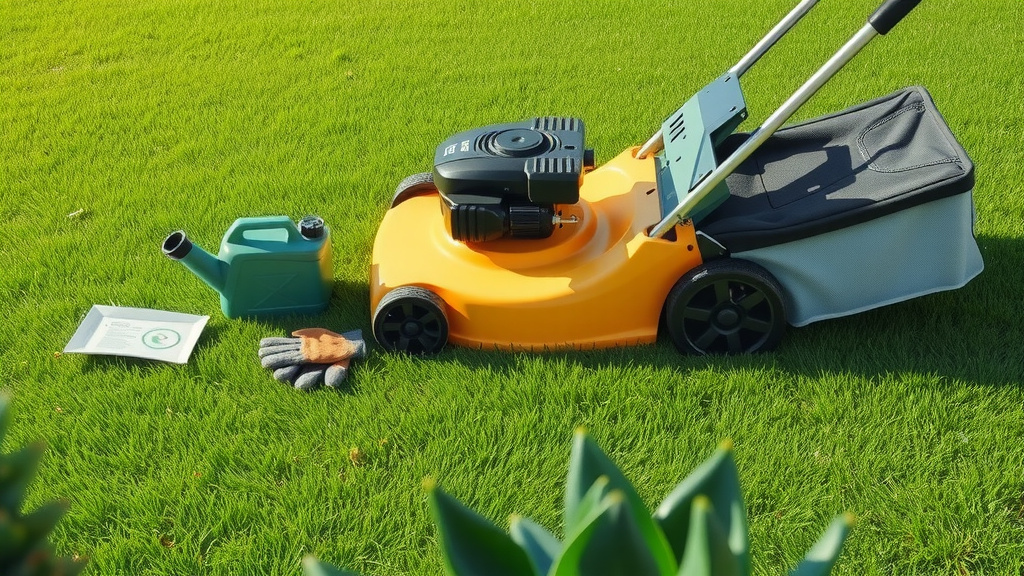
To restart a lawn mower, first ensure the fuel tank has fresh, stabilized gasoline and the oil level is correct. Then, check and clean or replace the spark plug and air filter for proper ignition and air flow.
Many non-starting issues with lawn mowers stem from fuel, spark, or air problems, which are often straightforward to diagnose and fix yourself.
- Running into a stubborn lawn mower can be frustrating, but many issues are quite simple to fix with some basic troubleshooting.
- The most common reasons a mower won’t restart involve problems with the fuel, spark plug, air filter, or even the oil.
- Always prioritize safety first by disconnecting the spark plug wire before any inspection or repair work begins.
- We’ll walk you through the essential steps, from checking fuel to cleaning components, helping you get your mower humming again.
How To Restart Lawn Mower?
Restarting your lawn mower typically involves a few key checks: ensuring it has fresh fuel, a working spark plug, and a clean air filter.
Why Won’t Your Lawn Mower Start? It Happens!
You pull the cord, nothing. You try again, still nothing. It’s a common scenario for many homeowners, isn’t it? The good news is, most starting problems are due to a few common culprits that are often easy to diagnose.
Checking the Fuel Tank
Is your fuel tank actually full? It sounds silly, but we’ve all been there! Beyond just the level, the quality of your fuel matters immensely. Old, stale gasoline can gum up your engine and prevent it from firing up.
Spark Plug Issues
The spark plug is like the heart of your ignition system, creating the spark needed to ignite the fuel. If it’s dirty, corroded, or damaged, your mower simply won’t get the spark it needs to start (Briggs & Stratton).
Carburetor Troubles
The carburetor mixes air and fuel, sending it to the engine. Over time, especially with old fuel, the carburetor can get clogged with gunk. This blockage restricts fuel flow, making starting impossible.
Air Filter Obstruction
Just like you need to breathe, your engine needs clean air. A clogged air filter starves the engine of air, leading to poor performance or a complete failure to start. It’s a surprisingly common issue.
Safety First: Before You Start Troubleshooting
Before you touch anything inside your mower, always put safety first. Think of it like cooking: you wouldn’t start without checking the ingredients, right? These steps are absolutely non-negotiable.
- Disconnect the spark plug wire: This prevents accidental starting.
- Wear sturdy gloves: Protect your hands from sharp parts and grime.
- Ensure the mower is off: Double-check the power switch.
- Work on a level surface: Prevents the mower from tipping over.
- Let the engine cool: Avoid burns if it was recently running.
Step-by-Step Guide to Restarting Your Mower
Alright, safety checks done! Let’s roll up our sleeves and get into the practical steps. Many experts agree that a systematic approach is best for effective troubleshooting.
Fresh Fuel and Fuel Stabilizer
First, drain any old, stale gasoline. Old fuel can separate and leave behind varnish, a real engine killer. Refill with fresh, clean gasoline. For best practice, add a fuel stabilizer, especially if you store fuel for more than a month (Kohler Engines).
Cleaning or Replacing the Spark Plug
Carefully remove the spark plug using a spark plug wrench. Inspect it for any black soot, oil, or corrosion. If it’s just dirty, you can try cleaning it with a wire brush. If it looks worn, damaged, or severely corroded, it’s generally best to replace it entirely. We found that a new spark plug often solves the issue instantly.
Addressing the Air Filter
Locate your air filter, usually under a plastic cover. If it’s paper, a quick tap might dislodge some dust. If it’s really dirty or clogged, it’s time for a new one. Foam filters can often be washed and re-oiled, but always check your owner’s manual for specifics.
Inspecting the Oil Level
Just like a car, your lawn mower needs proper oil levels. Check the dipstick; if the oil is low, fill it to the recommended mark. Using the correct type of oil is also vital for engine health. Many engines won’t start if the oil level is too low as a protective measure.
When Your Mower is Flooded
Sometimes, if you’ve tried starting it too many times with a rich fuel mixture, your mower might be flooded. This means there’s too much fuel in the cylinder. You’ll often smell a strong gas odor. To fix this, you need to dry out the engine.
Remove the spark plug and let the engine sit for about 15-30 minutes, allowing the excess fuel to evaporate. You can also try pulling the starter cord a few times with the spark plug out to help clear it. Once dry, replace the spark plug and try starting again, but without choking or priming.
Dealing with a Stalled Mower
A mower that stalls while running can be just as frustrating as one that won’t start. It might hint at a different set of problems. Often, a stall points to a lack of consistent fuel or an overheating issue.
Check for low fuel, a clogged fuel filter (usually a small plastic filter in the fuel line), or even a loose spark plug wire. Sometimes, a very hot engine can stall. Let it cool down, and then inspect the oil level and air filter again. We found that often a quick cool-down is all it takes.
Common Engine Types and Their Quirks
Lawn mowers come with various engine types, and knowing yours can help with troubleshooting. Here’s a quick, mobile-friendly overview:
| Engine Type | Common Starting Quirks | Restarting Tip |
|---|---|---|
| 4-Stroke | Requires oil changes, specific fuel, generally reliable but sensitive to old fuel. | Check oil and fresh fuel first. |
| 2-Stroke | Uses mixed fuel (gas + oil), can be finicky if mix is wrong, prone to spark plug fouling. | Ensure correct fuel mix, clean spark plug often. |
| Electric (Corded) | No gas/oil issues, problems usually related to power supply or motor. | Check power cord, outlet, and safety switch. |
| Electric (Battery) | Battery charge is key, can be affected by cold weather. | Charge battery fully, check battery connections. |
Maintenance Tips to Prevent Future Starting Problems
An ounce of prevention is worth a pound of cure, right? Regular maintenance is your best friend when it comes to a reliable lawn mower. Many experts say that consistent upkeep saves you headaches and repair costs (Consumer Reports).
- Change your oil annually or every 50 hours of use, whichever comes first.
- Replace the air filter at least once a season, more often in dusty conditions.
- Clean or replace the spark plug yearly to ensure a strong spark.
- Use fresh, stabilized fuel, especially before seasonal storage.
- Inspect the blade for sharpness and balance; a dull blade strains the engine.
- Keep the underside of the deck clean from grass clippings.
Conclusion
Getting your lawn mower to restart doesn’t have to be a battle. By systematically checking the fuel, spark plug, air filter, and oil, you can resolve most starting issues. Remember those safety precautions before you start any work. With a little patience and a clear process, you’ll be back to a neatly trimmed lawn in no time. Consistent maintenance truly makes all the difference, so don’t skip those vital checks!
How do I start a lawn mower that won’t kick over?
If your lawn mower won’t kick over, first check if the fuel tank has fresh, non-stale gasoline. Next, inspect the spark plug for dirt or corrosion and clean or replace it. Also, ensure the air filter isn’t clogged, preventing proper airflow to the engine.
What causes a lawn mower to not restart after it has been running?
A lawn mower that won’t restart after running often indicates an issue that emerges when the engine is warm. Common causes include a failing ignition coil, a clogged fuel filter, or vapor lock from overheating. Sometimes, a simply cooling down period is needed.
Can old gas really prevent my lawn mower from starting?
Yes, old gas is a very common culprit. Gasoline can degrade in as little as 30 days, especially if left untreated. It can leave gummy deposits that clog the carburetor and fuel lines, preventing your mower from starting or running smoothly.
How often should I change the spark plug on my lawn mower?
Many manufacturers recommend changing your lawn mower’s spark plug annually, or every 25-50 hours of operation. This ensures consistent, strong ignition and optimal engine performance throughout the mowing season.
What does it mean if my lawn mower smells like gas but won’t start?
If your lawn mower smells like gas but won’t start, it’s highly likely the engine is flooded. This means too much fuel has entered the cylinder, preventing the spark plug from igniting the air-fuel mixture. Let the mower sit for a while with the spark plug removed to allow excess fuel to evaporate.
