
How To Ship A Lawn Mower?
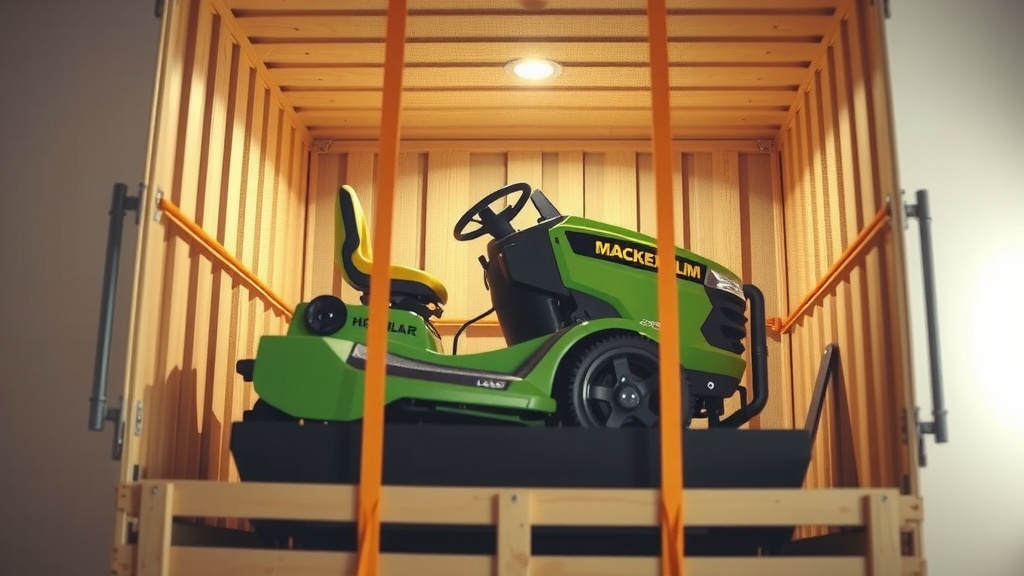
To ship a lawn mower, first, you need to drain all fuel and oil completely, clean it thoroughly, and remove the battery. Securing moving parts and properly packaging it will prevent damage during transit.
You can ship a lawn mower using freight companies, local movers, or specialized equipment transporters, comparing quotes to find the best balance of cost and service. Proper documentation, like bill of lading, is also essential.
- Planning to move your lawn mower? It needs careful prep and the right shipping method.
- Always start by completely draining fuel and oil for safety.
- Clean your mower well and remove its battery before packaging.
- Choose a reliable shipping service that handles heavy equipment.
- Compare costs and services to find a solution that fits your budget.
Moving a lawn mower can feel like a big task, can’t it? Whether you’re moving to a new home or selling your trusty machine, getting it from point A to point B safely and legally involves a few key steps. Don’t worry, we’re here to guide you through the process, making it feel less like a chore and more like a clear path.
Think of your lawn mower like a travel companion. It needs a little preparation before a long journey. Many people just assume you can toss it on a truck, but that’s a recipe for trouble – and a fire hazard! Let’s explore how to ship a lawn mower the right way, ensuring it arrives ready to tackle its next lawn.
How To Ship A Lawn Mower?
Shipping a lawn mower involves carefully preparing the machine, choosing the right transport method, and completing necessary documentation for a safe and successful journey.
Why Draining Fuel and Oil Is a Must
Imagine a small gas station on wheels, bouncing down the highway. That’s essentially what a fueled lawn mower becomes during transport. This is a big no-no. We found that most shipping companies will refuse to transport equipment with flammable liquids (DOT regulations).
Before anything else, you must completely drain all fuel from the tank. Run the engine until it sputters out. Next, drain the engine oil. This prevents leaks, spills, and fire hazards (U.S. Department of Transportation).
Tools You’ll Need for Draining
- A siphon pump or turkey baster for fuel.
- An oil drain pan.
- Wrenches for drain plugs.
- Empty, approved containers for old fuel and oil.
Cleaning Your Mower: A Simple Step, Big Impact
No one wants dirty cargo, right? Cleaning your lawn mower before shipping isn’t just about aesthetics. It prevents the spread of invasive species (USDA Plant Health Inspection Service) and reduces shipping weight.
Take time to remove all grass clippings, dirt, and debris from the deck, wheels, and engine area. A pressure washer works wonders here. Ensure it’s completely dry before any packaging.
Battery Removal: A Key Safety Measure
If your mower has a battery, it needs to come out. Batteries can short-circuit or leak during transit, creating hazards. Many experts say to disconnect and remove the battery entirely.
Store the battery separately, ideally in a non-conductive box. This keeps everyone safer during the move.
Securing Moving Parts for Transit
Your mower has several parts that can shift or get damaged. Things like the discharge chute, throttle cable, and even the handle might need attention. We found that securing these loose components prevents breakage.
Fold the handle down if possible. Use zip ties, rope, or strong tape to secure any other movable parts. This step is like putting your mower in a snug little cocoon for its journey.
Checking Your Mower’s Dimensions and Weight
Before you even call a shipper, know your mower’s vital statistics. Shippers need exact length, width, height, and weight measurements. Many manufacturers list these specs online. Accuracy prevents unexpected fees.
Choosing the Right Shipping Method
This is where the rubber meets the road! You have a few options when it comes to shipping your lawn mower. Each comes with its own trade-offs.
Freight Shipping Services
For larger, heavier mowers, freight is often the go-to. You’ll usually need to load it onto a pallet. Many freight companies offer “less than truckload” (LTL) services, meaning your mower shares space with other cargo.
We found that LTL is cost-effective but requires good packaging. Research often connects proper palletizing with fewer damage claims (Freight Class Guide).
Specialized Equipment Transporters
If you have a particularly valuable or oversized mower, a specialized transporter might be a wise choice. These companies are experienced with heavy machinery. They often provide door-to-door service and careful handling.
While potentially more expensive, they offer peace of mind. Some people say the added cost is worth it for delicate items.
Local Movers or Rental Trucks
If you’re moving nearby, a local moving company might help. Or, you could rent a truck or trailer yourself. This option gives you the most control over packing and handling.
However, it also means you do all the heavy lifting. Make sure you have the right equipment to load and secure your mower safely.
What to Expect: Shipping Cost Factors
“How much will this cost?” is always the first question, isn’t it? Several factors play into the final price. Knowing these helps you compare quotes fairly.
| Factor | Impact on Cost |
|---|---|
| Distance | Longer distances usually mean higher costs. |
| Weight & Dimensions | Heavier, larger mowers cost more to ship. |
| Shipping Method | Freight is generally cheaper than specialized transport. |
| Insurance | Adding extra insurance coverage increases the price. |
| Accessorial Services | Liftgate, residential delivery, or expedited shipping add fees. |
Essential Shipping Documentation
Don’t forget the paperwork! Most carriers will provide a Bill of Lading (BOL). This is your contract and receipt. It details the cargo, origin, destination, and carrier.
Always inspect your mower upon arrival before signing the BOL. Any damage should be noted immediately on the document. This protects you if you need to file a claim.
Pre-Shipping Checklist for Your Mower
Before the truck arrives, run through this quick list:
- Fuel tank completely drained.
- Oil drained (or minimal, secure).
- Mower cleaned thoroughly.
- Battery removed and stored separately.
- Handle folded or secured.
- All loose parts tied down.
- Mower secured to a pallet (if freight).
- Dimensions and weight confirmed.
- Shipping documents ready.
Conclusion
Shipping a lawn mower doesn’t have to be a headache. By following these steps – draining liquids, cleaning, securing parts, and choosing the right shipper – you ensure a smooth process. It’s all about preparation and making informed choices. Your lawn mower is a valuable tool, and with a little care, it will reach its new destination ready for many more seasons of lawn care. Happy mowing in your new spot!
What is the safest way to drain gas from a lawn mower before shipping?
The safest way is to use a siphon pump to remove as much fuel as possible, then run the engine until it completely stops from lack of gas. This ensures the fuel lines are empty too.
Can I ship a lawn mower without a pallet?
While some smaller mowers might be accepted without a pallet by specific carriers, most freight companies require it. Palletizing offers better protection and easier handling, reducing the risk of damage during transit.
How far in advance should I book shipping for my lawn mower?
It’s generally a good idea to book at least 1-2 weeks in advance, especially during peak moving seasons. This allows you to compare quotes, arrange for pickup, and ensure your mower is fully prepared.
Do I need to clean the underside of my lawn mower before shipping?
Yes, absolutely. Removing grass clippings and debris from the underside is crucial. It prevents the spread of pests or plant diseases and can also help you avoid cleaning fees from the shipping company.
What should I do if my lawn mower arrives damaged?
If your mower arrives damaged, make sure to note all damages on the Bill of Lading (BOL) before signing. Take clear photos of the damage and contact the shipping company immediately to file a claim. Do not discard any packaging materials.
