
How To Slam A Lawn Mower?
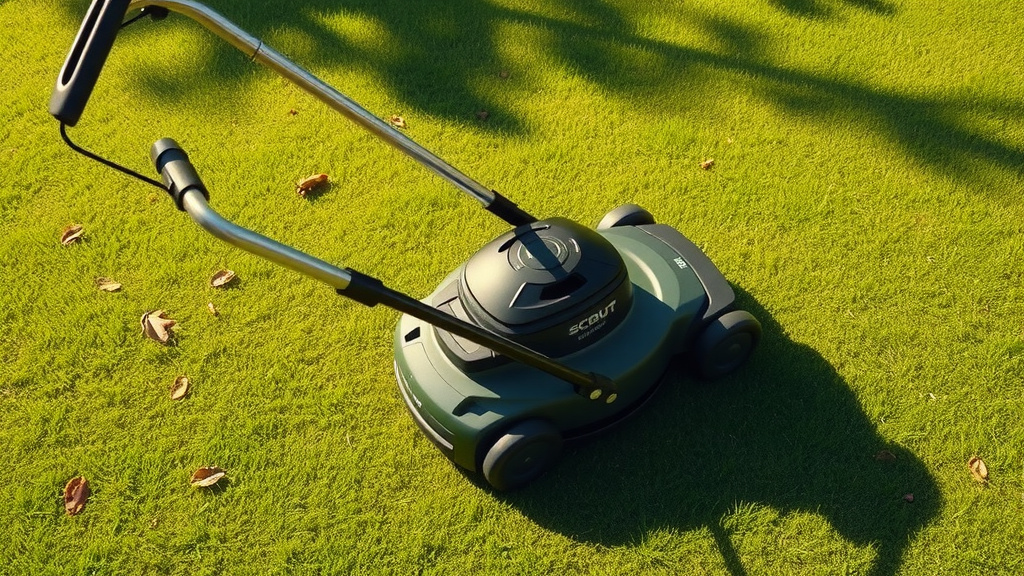
To slam a lawn mower means intentionally modifying it for an extremely low cutting height, making the deck ride very close to the ground.
This often involves adjusting wheel heights, replacing wheels with smaller ones, or altering the deck mounts for a significantly lower cut.
- Slamming your lawn mower lowers the cutting deck for an ultra-low cut.
- Common methods include adjusting existing wheels, installing smaller wheels, or modifying the deck’s attachment points.
- While it creates a distinct aesthetic, it frequently leads to scalping your lawn and can harm its health.
- Be aware of potential risks like engine strain, deck damage, and dulling blades quickly.
- Always prioritize safety, wear protective gear, and consider the long-term impact on your turf.
How To Slam A Lawn Mower?
To slam a lawn mower, you typically modify its suspension or wheel setup to lower the cutting deck as close to the ground as possible. This process involves adjustments to wheel height, replacing wheels, or sometimes modifying the deck mounting points.
Why Do People Slam Lawn Mowers?
People often slam their lawn mowers for a few reasons. Sometimes, it’s purely for a unique aesthetic, giving the mower a customized, low-rider appearance, similar to custom cars. Others might seek an extremely low cut for a very specific, manicured look in certain grass types, though this is less common for typical home lawns. We found that enthusiasts in mower racing or specialized projects also use this technique (Lawn Mower Racing Association).
The Allure of the Ultra-Low Cut
There’s a definite appeal to achieving a cut so low it almost shaves the grass. It offers a distinct, crisp look that standard mower settings usually cannot provide. This visual impact is often the primary motivator for homeowners considering such a modification.
Understanding the Methods for Lowering Your Mower Deck
Slamming a lawn mower involves several practical approaches, each with its own complexity. You will choose a method based on your mower type and the desired outcome. Understanding these options helps you decide the best path.
Adjusting Existing Wheel Heights
Most walk-behind mowers have adjustable wheels that allow for various cutting heights. To achieve a “slammed” look, you would set these to their lowest possible position. This is the simplest and least intrusive method, but it often has limits on how low you can go.
Installing Smaller Wheels
Replacing your mower’s existing wheels with smaller diameter wheels is another common technique. Smaller wheels naturally reduce the overall height of the deck relative to the ground. We found that this method provides a more significant drop than just adjusting stock wheels (Mower Modification Forums).
Considerations for Wheel Replacement
When swapping wheels, you need to check axle compatibility and ensure proper clearance. You might need to fabricate new mounting brackets for the smaller wheels. Remember, smaller wheels can make navigating uneven terrain more challenging.
Modifying the Deck Mounting Points
For a truly slammed look, you might consider modifying the mower deck’s attachment points directly. This is a more advanced technique that usually involves cutting and re-welding components. Many experts advise caution, as this alters the mower’s original design (Mechanical Engineering Guides).
Risks of Deck Modification
Altering the deck structure can impact its integrity and safety. It might also void your warranty or make future repairs harder. Always consider these drawbacks before making irreversible changes.
Essential Tools for Slamming Your Mower
Before you begin, gather the right tools. Having everything at hand makes the process smoother and safer. You will need basic hand tools and possibly some specialized equipment.
- Wrenches and Sockets (various sizes)
- Jack and Jack Stands (for lifting the mower safely)
- Measuring Tape or Ruler
- Grinder or Angle Grinder (if cutting metal)
- Welder (if modifying deck mounts)
- Safety Glasses and Gloves
- Replacement Wheels (if applicable)
Step-by-Step Overview to Lower Your Mower
Here’s a general guide to lower your mower. Remember, specific steps vary based on your chosen method and mower model. Always prioritize safety.
First, disconnect the spark plug wire to prevent accidental starting. Then, lift the mower safely using a jack and secure it with stands. Next, remove the existing wheels or access the deck adjustment points. Make your desired modifications, whether that’s adjusting levers, replacing wheels, or altering mounts. Finally, reassemble everything, ensure all fasteners are tight, and reconnect the spark plug wire. Test the mower’s operation carefully.
The Real Downsides of a Slammed Mower
While the idea of a slammed mower might sound cool, there are significant drawbacks. Many lawn care professionals caution against these modifications for everyday use. You could face several issues that impact both your mower and your lawn.
Lawn Health Issues: Scalping and Stress
When your mower deck sits too low, it often leads to scalping. Scalping occurs when the blades cut too deep, removing too much grass blade and even some of the crown. This weakens the grass, making it more vulnerable to diseases, pests, and drought (Agricultural Extension Services).
Uneven Cuts and Damaged Turf
A slammed mower struggles on uneven ground. Even small bumps can cause the deck to hit the soil, resulting in patchy cuts or gouges in your lawn. This damages the turf and creates an unattractive finish.
Increased Mower Wear and Tear
Running a mower deck so close to the ground puts extra stress on the machine. The blades will hit obstacles more frequently, dulling faster and potentially damaging the blade itself. You might also experience increased engine strain as it works harder to cut extremely low, thick grass (Engine Maintenance Manuals).
| Feature | Standard Mower Height | Slammed Mower Height |
|---|---|---|
| Lawn Health | Promotes strong, healthy roots | Risks scalping, weakens grass |
| Cut Quality | Consistent, even finish | Prone to unevenness, gouging |
| Mower Durability | Less wear, longer component life | Increased blade/deck damage, engine strain |
| Maintenance | Routine blade sharpening | Frequent blade checks, more repairs |
| Terrain Handling | Adapts well to varied ground | Struggles on uneven surfaces |
Prioritizing Safety During Modification
Safety is paramount when working on any machinery. Modifying a lawn mower carries specific risks that you must acknowledge. Always put your well-being first.
Crucial Safety Precautions
Always disconnect the spark plug wire before starting any work on the mower deck or blades. This prevents the engine from accidentally starting. Use proper lifting equipment, like a jack and jack stands, to secure the mower. Never rely solely on a jack. Wear appropriate personal protective equipment, including safety glasses and heavy-duty gloves, especially when cutting or welding (Occupational Safety Guidelines).
Alternatives for a Short, Tidy Lawn
If your goal is a very short, neat lawn without the extreme risks, consider other approaches. There are effective ways to achieve a clean look without slamming your mower. We found these methods are healthier for your lawn in the long run.
Using a Reel Mower
For an exceptionally low and clean cut, especially on specific grass types like Bermuda or Zoysia, a reel mower is often the best choice. These mowers cut with a scissor-like action, providing a very precise, low trim without scalping. Many golf courses use reel mowers for their immaculate greens.
Gradually Lowering Your Cut Height
Instead of a sudden “slam,” try lowering your mower’s deck gradually over several weeks. This allows the grass to adjust to the shorter height, minimizing shock and stress. Never remove more than one-third of the grass blade length at once (Lawn Care Best Practices).
When a Slammed Mower Might Be Appropriate
While generally not suitable for typical home lawns, a slammed mower has niche applications. It might be relevant for specialized projects or competitive events. These instances are rare and require specific goals.
Mower Racing and Custom Builds
For competitive mower racing, a low center of gravity and specific cutting heights might be beneficial for speed and handling. Custom show mowers also get slammed for aesthetic purposes, where the cutting function is secondary. In these cases, performance and looks often outweigh turf health concerns.
Pre-Modification Checklist
Before you begin any modifications, ensure you’ve thought through everything. This checklist helps prevent common mistakes and ensures a safer process.
-
Have I disconnected the spark plug wire?
-
Are all necessary tools readily available?
-
Do I understand the specific risks for my mower model?
-
Have I considered the impact on my lawn’s health?
-
Is my workspace clear and safe for modifications?
-
Do I have all safety gear ready?
Conclusion
Slamming a lawn mower is a significant modification often driven by aesthetics or specialized uses like racing. While it delivers an ultra-low cut, you face considerable risks, including severe lawn scalping, increased mower wear, and potential safety hazards. For most homeowners, the downsides outweigh the visual appeal. We recommend exploring safer alternatives like reel mowers or gradual height adjustments to maintain a healthy, beautiful lawn. Always prioritize safety and understand the full implications before altering your mower’s design.
What does “scalping” mean in lawn care?
Scalping in lawn care refers to cutting grass blades too short, often exposing the crown and even some soil. This weakens the grass, making it susceptible to disease and stress, and can create an unhealthy, patchy appearance in your lawn.
Can a slammed mower damage my engine?
Yes, a slammed mower can potentially damage your engine. When the deck is extremely low, the blades hit the ground or obstacles more frequently, creating more resistance. This increased resistance puts extra strain on the engine, forcing it to work harder and potentially shortening its lifespan.
Are there any legal issues with modifying a lawn mower?
While modifying your personal lawn mower for private use typically has no direct legal issues, using a heavily modified mower on public property or for commercial purposes might introduce liability concerns or conflict with local regulations. Always check local ordinances if you plan to use it beyond your property.
How do professional lawn care companies achieve very low cuts?
Professional lawn care companies achieve very low, precise cuts primarily by using specialized equipment like reel mowers, particularly for golf courses and sports fields. They also employ highly skilled operators who understand turf management and adjust cutting heights carefully to maintain grass health, avoiding common issues like scalping.
Will slamming my mower void its warranty?
Yes, modifying your lawn mower, especially altering its structural components like the deck mounts or suspension, will almost certainly void its manufacturer’s warranty. Warranties typically cover defects in materials and workmanship under normal operating conditions, which do not include unauthorized modifications.
