
How To Soup Up A Lawn Mower?
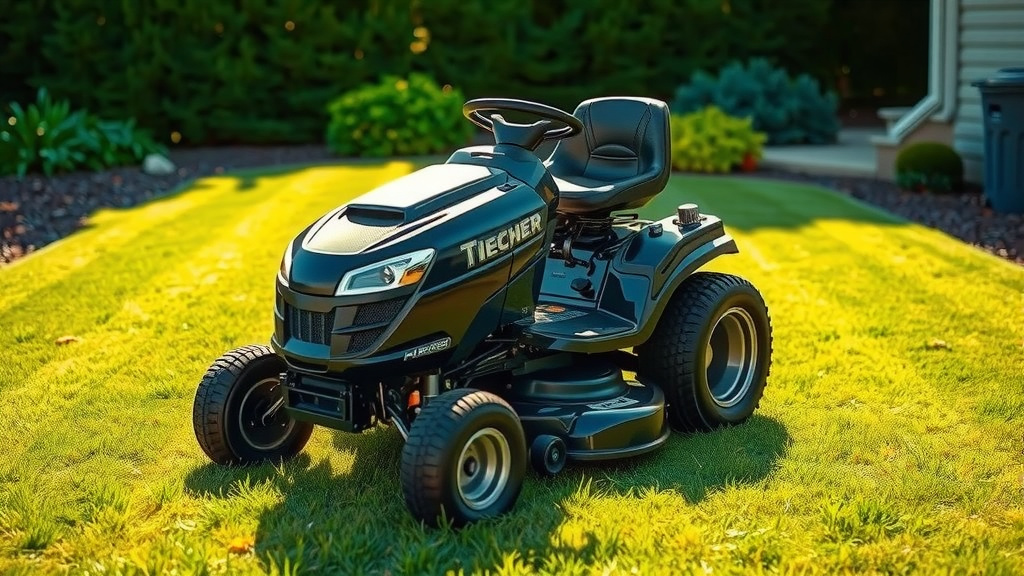
Souping up a lawn mower means enhancing its engine power, improving cutting efficiency, and boosting overall performance for a faster, cleaner lawn care experience. You can effectively soup up a lawn mower by focusing on modifications to its carburetor, exhaust system, and blade, alongside other key adjustments.
- Get a faster, more powerful cut by adjusting engine components.
- Enhance your mower’s fuel delivery and exhaust flow for better output.
- Upgrade your cutting blade for superior grass processing.
- Remember that safety and machine longevity are always important.
Do you ever wish your lawn mower had a little more oomph? Maybe you want to tackle thicker grass with ease, or simply finish your yard work a bit quicker. You’re not alone in thinking about giving your trusty machine a power boost. We understand that desire for a more efficient, robust mowing experience.
Think of it like tuning up a race car, but for your lawn. We’re talking about smart, practical modifications that can transform your standard mower into a more formidable grass-cutting beast. Let’s explore how you can achieve that extra kick.
How To Soup Up A Lawn Mower?
You can soup up a lawn mower by adjusting its engine for more power, optimizing its fuel and air intake, and upgrading its cutting components. This approach creates a more efficient and powerful machine.
Why Boost Your Mower’s Performance?
Perhaps you have a large lawn, or your grass grows especially thick. Standard mowers can sometimes struggle, leading to multiple passes or an uneven cut. Boosting performance means less effort and better results for you.
Many lawn care experts highlight that a souped-up mower can reduce your mowing time significantly. It’s about working smarter, not harder, in your yard. Plus, there’s a certain satisfaction in having a machine that truly performs.
Understanding the Core Components
Before diving into modifications, it’s good to know your mower’s basics. Every gasoline mower has an engine, a fuel system, an air intake, and a cutting deck with a blade. Each part plays a role in its overall power and efficiency.
Think of these as the fundamental building blocks. To increase performance, we’ll focus on parts that directly influence power output and cutting quality. We’ve found that minor tweaks can make a big difference.
Safety First: A Quick Word
Any modifications to machinery carry risks. Always disconnect the spark plug before working on your mower to prevent accidental starts. Wear appropriate safety gear, like gloves and eye protection. Your safety is paramount.
Modifying your mower can also void its warranty. Weigh these factors before you start. Many experts agree that understanding the risks is as important as understanding the modifications themselves.
Engine Modifications for More Power
The engine is the heart of your lawn mower. Boosting its power output is often the first step in souping it up. These changes focus on improving combustion and overall engine health.
Carburetor Adjustments: Fueling the Fire
Your carburetor mixes air and fuel for combustion. A richer fuel mixture can provide more power, especially under load. Adjusting the carburetor’s jet can achieve this.
Research suggests that a slightly larger main jet can allow more fuel to enter the engine. This change should be done carefully to avoid engine flooding or poor fuel economy. It’s a balance of power and efficiency.
Some kits are available specifically for carburetor modification, offering a straightforward path. We found these kits can simplify the process for you, often including clear instructions.
Optimizing the Exhaust System
Just like with a car, a restrictive exhaust system can choke your mower’s engine. Modifying or replacing the muffler can allow exhaust gases to escape more freely, boosting horsepower.
Many specialists suggest replacing the standard muffler with a less restrictive, “performance” muffler. This modification can improve engine breathing. Be aware that this might increase noise levels, which could be a factor for you and your neighbors.
Air Filter Upgrade: Clean Breathing
A cleaner, freer flow of air into the engine is essential for good combustion. A high-flow air filter can allow your engine to breathe better, leading to improved performance.
We found that replacing a standard paper filter with a foam or K&N style filter can make a difference. These filters often have less resistance to airflow. Always ensure the new filter fits properly and is kept clean.
Spark Plug Upgrade: A Better Spark
A hotter, more consistent spark ensures efficient fuel combustion. Upgrading to a performance spark plug can contribute to this. Look for spark plugs designed for higher efficiency.
Many experts recommend using iridium or platinum-tipped spark plugs. These types often provide a stronger spark and last longer. A stronger spark means more complete fuel burning and potentially more power.
Enhancing Cutting Efficiency
More engine power is great, but it’s wasted if your blade isn’t up to the task. Improving your cutting deck and blade directly impacts how well your mower performs its primary function.
Blade Sharpening and Balancing
A dull blade tears grass, requiring more engine power and leaving an uneven cut. A sharp blade slices cleanly, making the engine’s job easier and giving you a pristine lawn.
Regular sharpening is critical. Many landscapers sharpen their blades after every 10-12 hours of use. Also, balance your blade after sharpening to prevent vibrations that can damage your mower. You can use a blade balancer for this, which is inexpensive.
Here’s a quick checklist for blade care:
- Inspect blade for nicks or bends.
- Sharpen using a file or grinder.
- Balance the blade carefully.
- Reinstall securely to the deck.
Upgrading to a Better Blade Type
Different blade designs offer different benefits. A high-lift blade creates more suction, standing grass up for a cleaner cut. A mulching blade cuts grass into finer pieces.
We’ve observed that choosing the right blade for your specific grass type and desired outcome can significantly improve results. If you typically bag your clippings, a high-lift blade can be excellent. For leaving clippings on the lawn, a mulching blade is ideal.
Consider the trade-offs: High-lift blades may require more engine power, and mulching blades might not work as well on very tall grass (research suggests).
Fuel System Enhancements
The type of fuel and how it reaches the engine can also play a role in performance. Small adjustments here can fine-tune your mower.
High-Octane Fuel Considerations
Some people consider using high-octane fuel for more power. For most standard lawn mower engines, this isn’t necessary and won’t provide a significant power boost. Standard gasoline is usually sufficient.
However, for highly modified engines, research sometimes points to specific fuel requirements. Always check your mower’s manual for recommended fuel types. Using the wrong fuel can harm your engine.
Fuel System Cleanliness
A clean fuel system ensures an uninterrupted flow of fuel to the carburetor. Clogged fuel filters or lines can starve the engine of fuel, reducing power.
Regularly check and clean or replace your fuel filter. Many guides suggest replacing it annually. This simple maintenance step can prevent many performance issues for you.
Other Performance Tweaks
Sometimes, the small things can add up to noticeable improvements. These final tips are about optimizing the overall efficiency of your mowing process.
Lighter Wheels or Tires
Reducing the rotating mass of your wheels can slightly reduce the load on your engine. Lighter wheels or tires can make your mower feel more agile and use less power for propulsion.
This is a less common modification, but some enthusiasts find it makes a difference. We found that this kind of upgrade is more for those seeking every possible fractional improvement.
Deck Height Adjustment Benefits
Mowing at the correct deck height is crucial for both your lawn’s health and your mower’s efficiency. Cutting too much grass at once forces your engine to work harder.
Many lawn care guides recommend never removing more than one-third of the grass blade length at a time. Adjusting your deck height ensures your mower isn’t constantly struggling, providing you with a smoother cut.
| Modification Area | Potential Benefit | Considerations |
|---|---|---|
| Carburetor Jet | Increased engine power | Fuel economy, engine tuning |
| Performance Muffler | Improved exhaust flow | Increased noise, warranty |
| High-Flow Air Filter | Better engine breathing | Regular cleaning required |
| Sharpened Blade | Cleaner cut, less strain | Regular maintenance, balancing |
| Fuel Filter | Consistent fuel delivery | Routine replacement |
Conclusion
Giving your lawn mower a performance boost can truly change your yard work experience. From tweaking the engine’s fuel-air mixture to ensuring your blade is razor-sharp, each modification contributes to a more efficient, powerful machine. Remember, safety and regular maintenance are always your best friends in this journey.
Start with simple, manageable changes and observe the results. You might find that even small adjustments can make a big difference in how your mower performs and how quickly you get your lawn looking its best. Happy mowing!
How do I safely modify my lawn mower engine?
Always disconnect the spark plug before starting any work on your lawn mower’s engine to prevent accidental starting. Wear appropriate safety gear like gloves and eye protection. Follow manufacturer guidelines where possible, and if unsure, consult a professional.
Will souping up my lawn mower void its warranty?
Yes, modifying your lawn mower, especially its engine or core components, will almost certainly void its manufacturer’s warranty. It’s important to consider this trade-off before making any changes to your machine.
What is the most effective modification for increased power?
Many experts agree that optimizing the carburetor for a slightly richer fuel mixture and ensuring efficient exhaust flow with a less restrictive muffler often yield the most noticeable power gains. Combining these with a high-flow air filter can further enhance performance.
Can I use car parts to soup up my lawn mower?
Generally, no. Lawn mower engines are designed differently than car engines, with different specifications and stress points. Using car parts typically isn’t compatible and could lead to damage or unsafe operation. Stick to parts designed for small engines.
How often should I sharpen my lawn mower blade after modification?
Even with a souped-up mower, regular blade sharpening is key for efficiency. Most lawn care professionals recommend sharpening your blade after every 10-12 hours of use, or at least once per mowing season, to maintain a clean cut and reduce engine strain.
