
How To Stop Lawn Mower From Clogging?
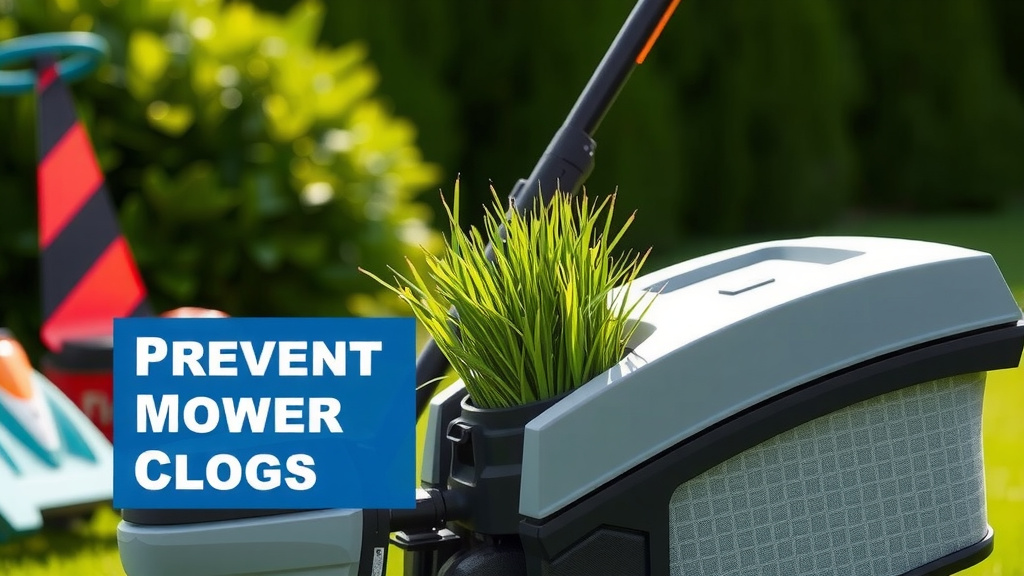
To stop your lawn mower from clogging, always mow when the grass is completely dry and avoid cutting overly tall growth in a single pass.
Regularly sharpen your mower blades and keep the underside of the deck clean to prevent sticky buildup.
- Mow only when grass is completely dry to prevent sticky clumps.
- Keep your mower blades razor-sharp for a clean, efficient cut.
- Raise your cutting height to avoid overwhelming the engine and deck.
- Clean the mower deck after each use to remove all debris.
- Don’t rush; mow at a steady, appropriate pace for best results.
Ever feel that shudder, hear the engine strain, and then… silence? Or worse, a shower of grass clumps spitting out the side? Yes, a clogged lawn mower is a common headache for many homeowners. It’s frustrating, slows you down, and can even damage your machine. But don’t worry, you are not alone in this struggle, and there are straightforward solutions.
We understand the annoyance of spending your weekend battling a grass-choked mower. It feels like your machine is growing a beard of its own! Luckily, preventing clogs is often a matter of adopting a few simple habits and understanding how your mower works. Let’s get your mowing back on track.
How To Stop Lawn Mower From Clogging?
To stop your lawn mower from clogging, you need to address the primary causes: wet grass, dull blades, and excessive grass length. Implement good mowing habits and perform consistent machine maintenance to keep the deck clear.
Think of your mower like a finely tuned instrument. When one part is off, the whole performance suffers. We’re here to guide you through making your mower perform its best, every time.
The Frustration of a Clogged Mower
It can feel like a personal battle, can’t it? One minute you are making good progress, and the next, your mower is sputtering, stalling, and refusing to cooperate. This isn’t just a minor inconvenience; it can truly spoil your day and add hours to your lawn care routine.
Many experts say that dealing with clogs can also cause unnecessary wear and tear on your mower’s engine and drivetrain (Consumer Reports). This means fixing the clogs today saves you from bigger repairs tomorrow.
Your Ultimate Clog-Prevention Checklist
Prevention is always easier than cure, especially when it comes to a clogged mower. Adopting these habits will save you time, effort, and money in the long run. Let’s dive into the practical steps you can take.
Cut Only Dry Grass
This is perhaps the most important rule. Wet grass is heavy, sticky, and difficult for blades to cut cleanly. It clumps together under the deck, sticking to surfaces and forming a dense mat that quickly blocks the discharge chute.
We found that mowing damp grass is a leading cause of clogs. Wait until the dew has evaporated and the grass is completely dry. A good rule of thumb is to wait until late morning or early afternoon on a sunny day.
Sharpen Those Blades!
Dull blades don’t cut; they tear. This tearing action creates longer, stringier grass clippings that are more likely to tangle and stick together. Sharp blades provide a clean cut, producing smaller, lighter clippings that flow more freely.
Research often connects blade sharpness directly to cutting efficiency and clog prevention (University of Nebraska-Lincoln Extension). Many gardening professionals recommend sharpening your blades at least once per season, or more often if you mow frequently or have a large lawn.
Adjust Your Mowing Height
Trying to cut too much grass at once is a surefire way to overwhelm your mower. If your grass has gotten particularly tall, resist the urge to scalp it down in a single pass. This creates an enormous volume of clippings that your mower simply cannot process.
The “Rule of Thirds” suggests you should never remove more than one-third of the grass blade’s total height in a single mowing session. If your lawn is very tall, raise your mower deck to a higher setting and make several passes over a few days, gradually lowering the height each time.
Keep Your Mower Deck Spotless
Over time, grass clippings, dirt, and debris can build up on the underside of your mower deck. This buildup reduces the space for grass to flow freely, creating friction and inviting clogs. It also restricts the airflow needed for proper cutting and discharge.
After each use, we strongly recommend scraping out any accumulated grass from under the deck. Turn off your mower, disconnect the spark plug, and use a plastic scraper or a stiff brush. This simple five-minute task makes a huge difference.
Don’t Rush the Cut
Pushing your mower too quickly crowds the deck with grass faster than the blades can cut and discharge it. This leads to jamming and clumping. Your mower needs time to process the grass effectively.
Maintain a steady, consistent pace that allows your mower to work efficiently. You’ll hear the engine hum contentedly, and you’ll see a clean, even trail of clippings. Overlap your passes slightly to ensure complete coverage without excessive buildup.
Check Your Mower’s Engine Health
A weak engine struggles to spin the blades at optimal speed, reducing the force needed to propel clippings out of the deck. This lack of power contributes to clogs, even if other factors are in check.
Ensure your air filter is clean and your spark plug is healthy. A clean air filter allows the engine to breathe properly, while a good spark plug ensures efficient combustion. These basic checks keep your engine running strong.
Bagging vs. Mulching: A Clog Perspective
Your mower’s setup for handling clippings can greatly impact clogging. Bagging collects clippings, while mulching chops them finely and returns them to the lawn. Both have pros and cons regarding clogs.
We find that choosing the right method for your conditions can greatly reduce clogging issues. Consider the trade-offs based on grass type and weather.
| Feature | Bagging | Mulching |
|---|---|---|
| Clipping Management | Collects all clippings | Recycles finely cut clippings |
| Clog Tendency (Wet Grass) | High (chute blocks easily) | Very High (deck packs tight) |
| Best Use | Tall grass, clean finish | Regular mowing, nourishing lawn |
| Maintenance | Empty bag, clean chute often | Clean deck more frequently |
Regular Maintenance Makes a Difference
A well-maintained mower is a happy mower. Consistent care ensures all components are working together to prevent clogs. Think of it as a small investment of time that prevents big problems.
Blade Inspection Schedule
Regularly inspect your blades for nicks, bends, or dullness. Many experts say checking blades every few uses helps you catch issues early, before they lead to poor cutting and clogs.
Deck Cleaning Habits
Make cleaning the underside of your deck a non-negotiable step after every mowing session. This prevents accumulation that will inevitably lead to future clogs and potential deck corrosion.
Engine Tune-Ups
Follow your mower’s manual for regular engine tune-ups, including oil changes and filter replacements. A healthy engine provides the power needed for efficient, clog-free cutting.
Here’s a quick checklist to help you stay clog-free:
- Always wait for dry grass before you mow.
- Ensure your mower blades are sharp and balanced.
- Set your cutting height appropriately; avoid cutting too much.
- Clean under the mower deck after every single use.
- Mow at a moderate, consistent speed, don’t rush.
- Maintain your engine: clean air filter, good spark plug.
Conclusion
Stopping your lawn mower from clogging comes down to a few fundamental practices: mowing dry, using sharp blades, and keeping your machine clean. These aren’t complex tasks, but rather simple habits that yield significant results.
By following these practical tips, you won’t just prevent annoying clogs; you’ll also achieve a healthier, better-looking lawn and extend the lifespan of your valuable equipment. Now go enjoy that smooth, uninterrupted mowing experience!
How often should I sharpen my mower blades?
We found that for an average lawn, sharpening your mower blades at least once per mowing season is a good practice. If you mow frequently, have a large lawn, or hit obstacles often, you may need to sharpen them every 25 hours of use or more.
Can bagging grass clippings prevent clogging?
Yes, bagging clippings can help prevent clogging, especially if you are cutting taller grass or prefer a very clean lawn. The bag collects the clippings, reducing the chance of them accumulating under the deck or in the discharge chute. However, the chute itself can still clog if the grass is wet.
What if my grass is always a bit damp?
If your climate means grass is often damp, try to mow later in the day when sunlight has had more time to dry it out. You can also raise your cutting height slightly and make sure your blades are exceptionally sharp. Cleaning the deck more frequently will be vital in these conditions.
Does engine power affect mower clogging?
Absolutely. A mower with a less powerful or poorly maintained engine will struggle to spin the blades at the necessary speed and generate the airflow needed to discharge clippings effectively. This reduced performance directly contributes to more frequent clogs. Ensure your engine is healthy with regular tune-ups.
Is it better to clean the mower deck with water or a scraper?
Many experts recommend using a plastic scraper or stiff brush to remove dried grass and debris from the mower deck. While water can be used, ensure you immediately dry the metal components thoroughly to prevent rust. Always disconnect the spark plug before cleaning the deck to prevent accidental startup.
