
How To Take Governor Off Lawn Mower?
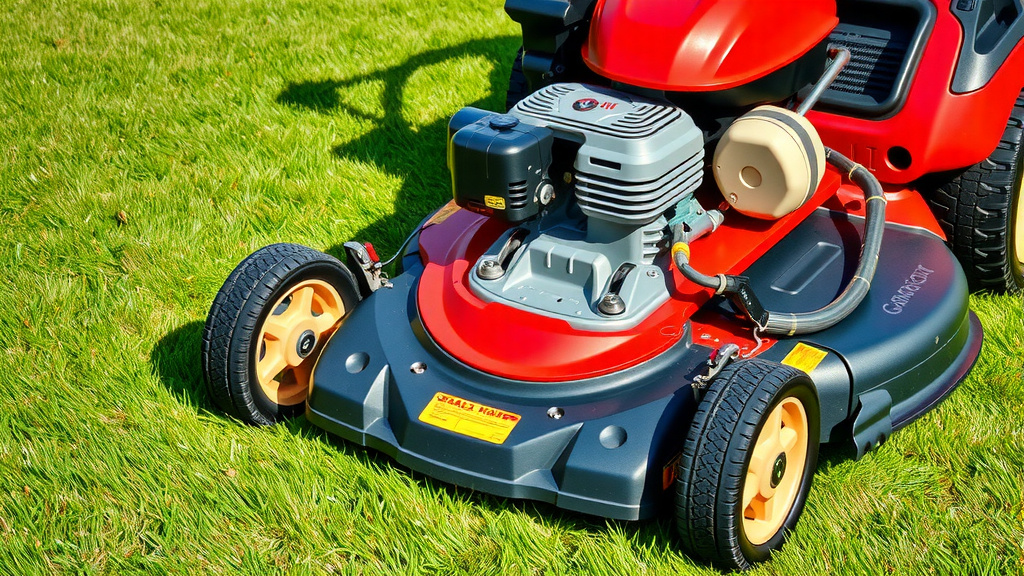
Taking the governor off your lawn mower involves bypassing or removing the mechanism that limits engine speed, usually to gain more power, but it comes with significant risks to engine health and user safety.
Most experts and manufacturers strongly advise against removing a lawn mower governor due to potential engine damage, safety hazards, and voided warranties.
Here’s a quick overview of what you need to know about lawn mower governors and why tampering with them is generally not a good idea:
- The governor is a vital safety component that regulates engine RPM.
- Removing it can lead to catastrophic engine failure and costly repairs.
- It dramatically increases the risk of personal injury from flying debris or machine malfunction.
- There are safer, more effective ways to improve your mower’s performance.
How To Take Governor Off Lawn Mower?
While physically removing the governor on a lawn mower involves disconnecting the linkage or removing the assembly, we found that this action is highly discouraged by engine manufacturers and safety experts due to the severe risks it introduces.
This process typically means locating the governor arm and rod, then detaching or bypassing them to allow the throttle to open fully without restriction.
Why Do People Consider Governor Removal?
You might wonder why anyone would want to take the governor off their lawn mower. We often find that users are looking for a bit more “oomph” – perhaps they feel their mower struggles with thick grass, or they simply desire a stronger engine. The idea is to unlock the engine’s full potential, gaining more blade speed and cutting power.
It’s a common thought for those wanting to tackle tough jobs faster. However, this pursuit of extra power comes with a serious trade-off, as we’ll soon discuss.
Understanding Your Lawn Mower’s Governor
Think of your lawn mower’s governor as the engine’s watchful guardian. It’s a sophisticated system designed to keep your engine running smoothly and safely, preventing it from over-revving and self-destructing.
It plays a central role in engine longevity and user safety.
What Exactly is a Governor?
A governor is a device that controls the engine’s speed, or RPM (revolutions per minute). It maintains a consistent engine speed under varying load conditions, like when you hit a thick patch of grass. Without it, your engine would race out of control when the load lessens, and bog down when it increases, leading to a very inconsistent cut.
Many experts say the governor helps the engine operate efficiently within its designed performance parameters.
How Does a Governor Work?
The governor works by sensing engine speed and adjusting the throttle plate. When the engine tries to speed up past its set limit, the governor kicks in to close the throttle slightly, reducing fuel intake. Conversely, if the engine starts to slow down under a heavy load, it opens the throttle to maintain the desired RPM.
It’s like an automatic cruise control system for your engine, constantly making tiny adjustments to keep things steady. This precise control is why your mower performs reliably even in different conditions.
Types of Governors in Lawn Mowers
Lawn mowers typically use one of two main governor types: mechanical or pneumatic. Each type achieves the same goal but uses a slightly different method to do so.
Understanding which type your mower has can be helpful, though modifying either is equally ill-advised.
| Governor Type | How It Senses Speed | Commonly Found In |
|---|---|---|
| Mechanical Governor | Uses spinning weights (flyweights) inside the crankcase that respond to centrifugal force. | Many larger or more commercial-grade lawn mower engines. |
| Pneumatic (Air Vane) Governor | Uses an air vane or “paddle” that is pushed by the airflow from the engine’s flywheel. | Most smaller, residential lawn mower engines. |
The Risks of Governor Removal
Before considering any modification, it’s crucial to understand the very real dangers involved. Removing or disabling the governor is not a harmless tweak; it’s a decision that can have serious repercussions for your equipment and your personal safety.
We found that the potential for harm far outweighs any perceived benefit.
Engine Damage and Longevity
Without the governor, your engine can easily over-rev, reaching speeds far beyond its design limits. This excessive RPM creates immense stress on internal components like the crankshaft, connecting rod, and valves. The result? Premature wear, overheating, and ultimately, catastrophic engine failure.
Think of it like driving your car constantly in the redline – it won’t last long. Research often connects uncontrolled engine speeds with significantly reduced engine lifespan (SAE International).
Safety Concerns
An out-of-control engine is a severe safety hazard. Higher blade speeds mean more powerful projectiles if the blade hits a rock or debris. The engine itself could seize, throwing you off balance, or even explode due to internal stresses. A mower operating beyond its intended limits is simply unpredictable and dangerous.
Your safety, and the safety of those around you, should always be the priority when operating power equipment. Many guidelines point to factory settings as crucial for safe operation (Consumer Product Safety Commission).
Warranty and Resale Value
Modifying your lawn mower’s engine, especially removing a core safety component like the governor, will immediately void its warranty. If anything goes wrong, you’ll be on the hook for expensive repairs. Also, a modified engine will significantly decrease the mower’s resale value, as most buyers won’t want an unreliable and potentially dangerous machine.
It’s like buying a used car where the speed limiter has been removed; few people would take that risk.
Step-by-Step: Adjusting, Not Removing (The Safer Path)
If you’re looking for a slight bump in performance without the extreme risks, a minor adjustment to the governor linkage might be an option. This is a subtle change, not a removal, and should still be done with caution.
We always recommend consulting your owner’s manual for specific instructions for your model.
Gathering Your Tools
Before you begin, make sure you have the right equipment. This will make the job smoother and safer.
- Wrench Set: For loosening and tightening bolts.
- Screwdriver Set: Various types might be needed.
- Pliers: For gripping and manipulating small parts.
- Tachometer: Essential for accurately measuring engine RPM.
- Safety Glasses: Always protect your eyes.
- Work Gloves: For better grip and protection.
Locating the Governor Linkage
Your owner’s manual is your best friend here. It will show you diagrams of your engine and where the governor linkage is situated. Typically, you’ll find it near the carburetor and the engine’s throttle plate.
Look for a series of rods and springs connecting to the throttle body. This is the delicate part of the system that controls the engine’s speed.
Making Minor Adjustments
Adjusting the governor usually involves slightly bending the governor rod or adjusting the tension on the governor spring. A small bend, often just a millimetre or two, can make a difference. The goal is to allow the throttle to open a tiny bit more, increasing the maximum RPM slightly.
This is a delicate process; even a small change can have a noticeable effect. Start small and re-test.
Testing the Engine Speed
After any adjustment, it’s vital to test the engine speed with a tachometer. Aim for a modest increase, staying within 100-200 RPM above the factory setting at most. You want to see if the adjustment had the desired effect without pushing the engine into dangerous territory.
If the engine sounds rough or is vibrating excessively, you’ve gone too far. Safety is paramount, remember?
What if You Still Want More Power? (Alternatives)
Instead of risking your engine and safety, there are much better ways to get more performance from your lawn mower. These methods focus on efficiency and proper maintenance, which yield genuine benefits without the drawbacks.
We often find that a well-maintained mower performs far better than a neglected one with a bypassed governor.
Engine Maintenance and Tune-Ups
A properly tuned engine runs at its peak. This means regularly changing the oil, replacing the air filter, cleaning or replacing the spark plug, and ensuring the fuel system is clean. These simple steps can restore lost power and significantly improve fuel efficiency.
It’s like giving your body a healthy diet and exercise – it performs better overall.
Carburetor Adjustment
Your carburetor mixes air and fuel for combustion. A clean, properly adjusted carburetor ensures the engine gets the right mixture, leading to optimal power. Sometimes, a rich or lean mixture can reduce power, making the engine feel sluggish. Adjusting the carburetor idle and mixture screws, as per your manual, can often help.
However, be careful with these adjustments, as improper settings can still lead to engine damage.
Blade Sharpening and Deck Cleaning
Often, a “lack of power” isn’t the engine’s fault at all. A dull blade forces the engine to work much harder to cut grass, slowing it down. Similarly, a thick build-up of old grass and debris under the deck increases drag. Sharpening your blade and keeping the deck clean can make a massive difference in perceived power and cutting quality.
It’s the simplest and safest way to improve cutting efficiency without touching the engine internals.
Important Safety Precautions
Whenever you are working on your lawn mower, especially around the engine, always prioritize safety. A few simple steps can prevent accidents.
- Always disconnect the spark plug wire before working on any part of the engine to prevent accidental starting.
- Allow the engine to cool down completely before touching any components.
- Wear appropriate safety gear, including gloves and safety glasses.
- Refer to your owner’s manual for specific safety warnings and procedures.
- Work in a well-ventilated area, especially if dealing with fuel.
Conclusion
While the idea of unleashing your lawn mower’s full engine power by removing its governor might sound appealing, the reality is that it’s a practice fraught with severe risks. We found that the potential for catastrophic engine damage, serious safety hazards, and voided warranties far outweighs any temporary gain in power.
Instead of bypassing essential safety features, focus on proper maintenance and responsible operation. A well-tuned engine with a sharp blade and clean deck will provide reliable, efficient performance, allowing you to enjoy a perfectly manicured lawn without putting yourself or your equipment at risk. Always prioritize safety and follow manufacturer guidelines for the best results.
What is the main purpose of a lawn mower governor?
The main purpose of a lawn mower governor is to maintain a consistent engine speed (RPM) under varying load conditions, preventing the engine from over-revving and ensuring optimal performance and safety during operation.
Will removing the governor void my lawn mower’s warranty?
Yes, removing or tampering with the governor will almost certainly void your lawn mower’s warranty. Manufacturers design their engines to operate within specific parameters, and modifying these critical components releases them from any warranty obligations.
Are there any legal implications for removing a lawn mower governor?
While there might not be specific laws directly prohibiting governor removal, using a modified, unsafe mower could open you up to liability if it causes injury or property damage. Additionally, some jurisdictions might have regulations about engine emissions or noise that a modified engine could violate.
Can a lawn mower engine be damaged by removing the governor?
Absolutely. Removing the governor allows the engine to exceed its designed maximum RPM, leading to excessive stress, overheating, and rapid wear on internal components like the crankshaft, connecting rod, and valves. This often results in premature and catastrophic engine failure.
What are safer ways to improve my lawn mower’s performance without removing the governor?
Safer and more effective ways to improve performance include regular engine tune-ups (changing oil, air filter, spark plug), ensuring the carburetor is clean and properly adjusted, sharpening your mower blades, and keeping the underside of the deck free from grass build-up. These steps enhance efficiency and power without risking engine damage or safety.
