
How To Tell If A Lawn Mower Spindle Is Bad?
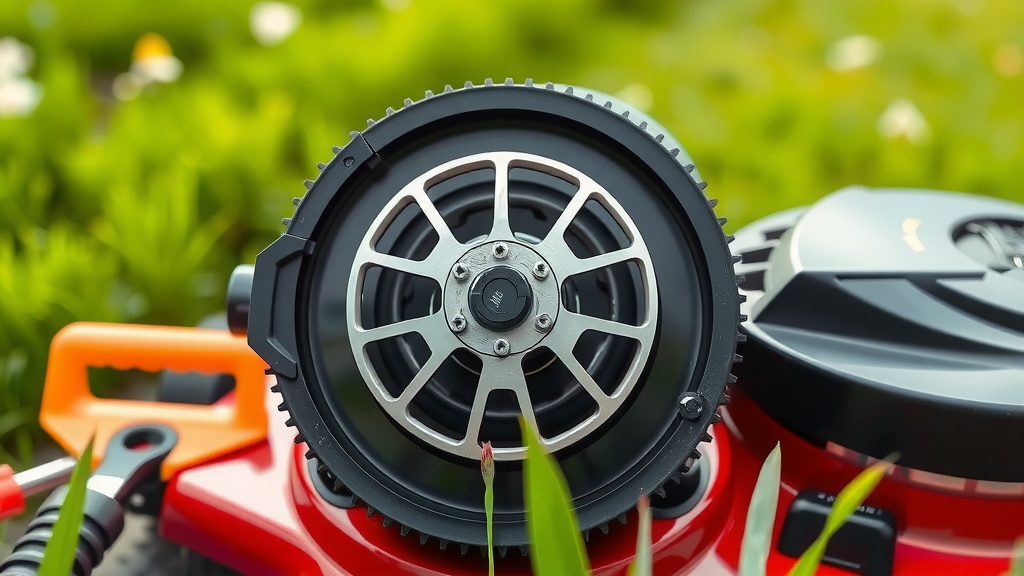
A lawn mower spindle is bad if you notice excessive vibration, grinding noises, or uneven cutting, often indicating worn bearings or damage.
You can tell if a lawn mower spindle is bad by physically checking for wobble in the blade, listening for unusual sounds, or observing poor cut quality.
- A bad lawn mower spindle often causes noticeable vibrations and strange noises like grinding or squealing.
- You might also see a visibly uneven cut or feel a loose blade when you try to wiggle it by hand.
- Ignoring these signs can lead to further damage to your mower deck and blades.
- Regular checks for spindle issues can save you from bigger repair headaches down the road.
How To Tell If A Lawn Mower Spindle Is Bad?
A bad lawn mower spindle often makes itself known through a series of unmistakable signs. It is your mower’s ability to spin the blades freely and consistently. When it fails, your mowing experience changes fast. Recognizing these symptoms early can save your mower and your lawn.
Excessive Vibration During Operation
Does your mower feel like it is shaking more than usual? A significant increase in vibration is a top sign of a failing spindle. We found that worn spindle bearings are a common culprit here. This vibration can feel like a deep rumble or a frantic shimmy. It is not just uncomfortable for you; it is hard on your mower too.
This shaking can cause other parts of your mower to loosen. It puts extra stress on the engine and deck. Imagine trying to drive a car with a wobbly wheel. It affects everything around it. That is what a bad spindle does to your mower.
Unusual Noises from the Deck
Are you hearing strange sounds from under your mower deck? A healthy spindle runs smoothly and quietly. If you hear a grinding, squealing, or whining noise, it is a big red flag. These sounds often point to **dry or failing bearings** inside the spindle housing.
Sometimes, the noise might be a high-pitched squeal. Other times, it could be a lower rumble or growl. We found that these noises often get louder as the mower engine speeds up. Many experts say that any new, persistent noise is worth investigating (Outdoor Power Equipment Institute).
Poor or Uneven Cut Quality
After you finish mowing, do you notice patches of grass that are taller than others? Or does your lawn look like it has been scalped in some spots? A bad spindle often leads to a visibly poor cut. The blade might not be spinning at the right angle or speed. This causes an **uneven and ragged appearance** on your lawn.
This symptom can be frustrating. You put in the effort, but the results are disappointing. A damaged spindle prevents the blade from staying level. This means your grass gets cut inconsistently. It is like trying to draw a straight line with a broken ruler.
Blades Not Spinning Freely or Jamming
When you try to spin the mower blade by hand (with the engine off and spark plug disconnected, of course!), does it feel stiff? Or does it seem to catch and not spin freely? This resistance is another indicator of a bad spindle. A **healthy spindle assembly** allows the blade to rotate easily.
Sometimes, the blade might even jam completely. This can happen if the spindle bearings are seized. This is a serious issue. It can be dangerous if the engine tries to force a seized blade. Always check blade movement regularly.
Visual Signs of Spindle Damage
Sometimes, the problem is right there for you to see. Take a good look at your mower deck and blades. Do you see any **bent or broken parts** around where the blade attaches? Is there rust or excessive wear visible on the spindle housing?
Check for oil or grease leaks around the spindle. These leaks suggest that the seals are failing. Failing seals allow dirt and moisture in. This contaminates the bearings. This visual inspection can give you an early warning sign.
Performing a Manual Spindle Test
Want to be sure? A simple manual test can help. First, disconnect the spark plug wire for safety. Then, get under the deck. Grab the tip of a blade and try to move it up and down. Is there a lot of play or wobble? A little movement is normal, but **excessive play indicates worn bearings**.
Next, try to rotate the blade by hand. Does it spin smoothly? Or do you feel resistance, grinding, or rough spots? These sensations are strong clues. We found that this hand test is one of the quickest ways to confirm suspicions. It gives you direct feedback on the spindle’s condition.
Listen for Bearing Noise
While spinning the blade, listen closely. Can you hear grinding or crunching? This indicates **internal bearing damage**. A healthy spindle bearing will spin quietly and freely. Any unusual noise during this manual spin suggests trouble brewing inside.
Check for Blade Wobble
Wiggle the blade side-to-side and up-and-down. Significant wobble or looseness means the bearings are shot. This wobble directly impacts your cut quality. It also puts stress on the blade bolts.
Common Causes of Spindle Failure
Spindles can fail for several reasons. Knowing these causes helps with prevention. The most common cause is simply **wear and tear over time**. Bearings eventually break down from constant use. This is especially true if you mow frequently.
Impacts from hitting obstacles like rocks or tree roots are another major cause. These sudden shocks can bend the spindle shaft. They can also damage the bearings. Many guidelines point to avoiding obstacles as a good first step (Occupational Safety and Health Administration).
Lack of lubrication, if your spindle is greaseable, can also cause failure. Water and debris entering the housing can also lead to rust and bearing decay. Research often connects moisture with **accelerated component corrosion** (National Institute of Standards and Technology).
What Happens If You Don’t Address a Bad Spindle?
Ignoring a bad spindle is a recipe for more problems. At best, you will get a terrible cut. At worst, it can cause **severe damage to your mower deck**. The vibrating blade could hit the deck. It might even bend or break the blade itself.
A failing spindle also puts extra strain on your engine. The engine has to work harder to spin a resistant blade. This can lead to engine overheating. It can even shorten the engine’s lifespan. We found that delaying repairs often leads to more costly repairs.
Preventative Measures for Spindle Longevity
Keeping your spindles healthy is simpler than you might think. Regular cleaning of the mower deck helps. It prevents grass clippings and debris from building up around the spindles. This build-up can trap moisture and cause rust.
If your spindles have grease fittings, **grease them regularly**. Check your mower’s manual for the recommended schedule. Avoiding impacts with hard objects is also critical. Drive carefully, especially in areas where you know there might be rocks or stumps. A little caution goes a long way.
Here’s a quick overview of spindle issues:
| Symptom | Likely Cause | Urgency Level |
|---|---|---|
| Excessive Vibration | Worn bearings, bent shaft | High |
| Grinding/Squealing Noises | Dry or failing bearings | High |
| Uneven Cut | Loose blade, bent spindle | Medium |
| Blade Wobble | Severely worn bearings | High |
| Blade Sticking/Jamming | Seized bearings, severe damage | Critical |
Is Your Spindle Bad? A Quick Checklist
- Do you feel **excessive vibration** while mowing?
- Are there **grinding or squealing noises** from the deck?
- Does your lawn show **uneven cut patches**?
- Can you **wiggle the blade excessively** by hand (spark plug disconnected)?
- Does the blade **feel stiff or not spin freely** when manually rotated?
- Do you see any **visible damage or leaks** around the spindle area?
Conclusion
Recognizing the signs of a bad lawn mower spindle is important for maintaining your mower. From vibrations and unusual noises to poor cut quality, these symptoms tell a clear story. Taking the time for a quick manual check can confirm your suspicions. Addressing spindle issues early saves you from bigger problems. It ensures a healthier lawn and a longer life for your trusty lawn mower. Remember, a little attention now can prevent a lot of frustration later.
How much does it cost to replace a lawn mower spindle?
The cost to replace a lawn mower spindle varies. It generally depends on your mower make and model. Parts might range from $30 to $100 per spindle. If you hire a professional, labor costs can add another $50 to $150 per spindle. Doing it yourself can save you money on labor.
Can you grease all lawn mower spindles?
No, not all lawn mower spindles are greaseable. Many modern spindles have sealed bearings. These bearings do not require regular greasing. Always check your mower’s owner’s manual to determine if your spindles have grease fittings. Over-greasing sealed bearings can sometimes cause damage.
How long do lawn mower spindles typically last?
Lawn mower spindles can last anywhere from 3 to 10 years, or even longer. This depends on several factors. These factors include how often you mow, the terrain you cut, and proper maintenance. Hitting obstacles frequently shortens their lifespan. Regular cleaning and greasing (if applicable) extends it.
Is it difficult to replace a lawn mower spindle yourself?
Replacing a lawn mower spindle can be a moderately difficult DIY task. It requires some basic mechanical skills and tools. You will need to safely remove the deck, detach the blade, and unbolt the old spindle. Installing the new one is the reverse. There are many helpful tutorials available if you are unsure.
Can a bad spindle affect engine performance?
Yes, a bad spindle can affect engine performance. If the spindle bearings are seized or extremely worn, the engine has to work much harder. It must overcome the resistance to spin the blade. This increased load can cause the engine to bog down, overheat, or even stall. It also wastes fuel.
