
How To Transport A Lawn Mower Without A Car?
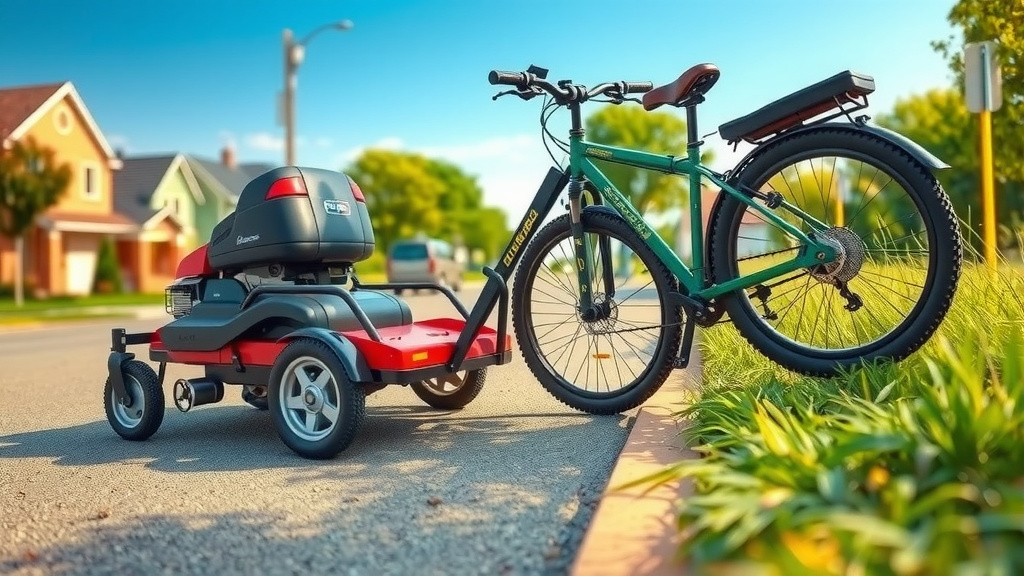
To transport a lawn mower without a car, consider using a hand truck for short distances, a public transit system with proper precautions, or a specialized trailer pulled by a bicycle.
For longer hauls, reaching out to a local moving service or a kind neighbor with a truck can be effective ways to safely transport your lawn mower.
- Explore options like hand trucks, bike trailers, or public transit for short, local moves.
- Always prepare your mower by draining fuel and checking for leaks before transport.
- For larger mowers or longer trips, a local moving service or a rental utility vehicle might be necessary.
- Prioritize safety by securing the mower properly and following all local regulations.
How To Transport A Lawn Mower Without A Car?
Moving a lawn mower without a personal car is totally doable. You can use a hand truck for short trips, a bike trailer, or even public transport after careful preparation.
Why Transport Without a Car?
Perhaps your car is too small, or maybe you don’t own one. Sometimes, you might just need to move your mower a short distance for repair or to a friend’s house. We understand these situations come up.
Many lawn care enthusiasts face this challenge. You’re not alone in needing a smart solution for lawn mower transport without a traditional vehicle.
Preparation is Key: Your Mower’s Travel Checklist
Before any journey, big or small, your lawn mower needs some attention. This step helps prevent spills and keeps everyone safe. Skipping this can cause messy situations or even hazards.
- Empty the fuel tank completely.
- Check and secure the oil cap.
- Clean off any grass clippings.
- Remove the spark plug wire.
- Secure loose parts.
Empty the Fuel Tank
This is a non-negotiable step. Fuel can leak during transport, creating fire risks or damaging surfaces. We found that most experts agree this is the most important safety measure (NFPA).
Run your mower until it’s out of gas, or siphon the fuel into an approved container. Make sure the tank is truly empty.
Check Oil Levels and Leaks
While oil is less volatile than gasoline, it can still make a huge mess. Check your oil dipstick and ensure the cap is tight. If you have an older mower, look for any signs of an oil leak.
Consider draining the oil if you have a four-stroke engine and expect a bumpy ride. Remember to refill it before using the mower again.
Clean Your Mower
No one wants grass clippings or dirt shedding everywhere during transport. A quick brush-down makes the job much cleaner. It also helps with traction if you are securing it.
Plus, a clean mower is always a happy mower. It reflects on the care you give your tools.
Local Solutions: Moving Your Mower Around Town
For shorter distances, you have several creative ways to move your mower. These methods are often budget-friendly and quite practical.
The Hand Truck Method: Short Distances Made Easy
A sturdy hand truck can be your best friend for a short trip to a neighbor’s house or a repair shop down the street. It’s perfect for push mowers.
Tilt the mower onto its rear wheels, ensuring the spark plug is disconnected. Then, carefully slide the hand truck underneath. Strap it tightly for balance.
Bicycle Trailer: Pedal Power for Your Mower
Do you have a bike? A small utility trailer designed for bicycles can often carry a push mower. This is an environmentally friendly choice.
Ensure the trailer can handle the mower’s weight. Secure the mower firmly with straps to prevent shifting. This is a great solution for moderate distances.
Public Transportation: Is It an Option?
This might sound unusual, but in some areas, it is possible. Always check your local transit system’s rules first. Most require mowers to be free of fuel and oil.
Using a bus or train could work for small, lightweight electric mowers. But gas mowers are usually a “no-go” due to fire regulations (FTA guidelines).
Bigger Moves: When You Need More Muscle
When local options aren’t enough, you might need a bit more help. These methods cover longer distances or larger mowers.
Renting a Utility Vehicle or Van
Rental services often have small cargo vans or utility trucks available. This gives you the space and security needed for safe transport. It’s ideal for a riding mower or a long journey.
Make sure to reserve the right size vehicle. Use plenty of straps and maybe a ramp for loading heavier models. Consider the total cost and convenience.
Professional Moving Services: The Easiest Route
If you prefer a hands-off approach, professional moving companies or specialized transport services can help. They have the right equipment and experience.
This option is often more expensive but offers peace of mind. Many experts say this is the safest way to move a large or expensive mower (ANSI).
Ask a Friend or Neighbor
Never underestimate the power of community! A friend or neighbor with a truck or SUV might be willing to help. A small favor can go a long way.
Always offer to help with gas or a small token of appreciation. Ensure your mower is prepared and clean before asking for assistance.
Comparing Your Options: A Quick Guide
Choosing the right method depends on your mower, distance, and budget. Here’s a brief comparison to help you decide.
| Method | Best For | Cost | Effort |
|---|---|---|---|
| Hand Truck | Small push mowers, short distances | Low (if you own one) | Moderate |
| Bicycle Trailer | Push mowers, moderate distances | Low (if you own one) | Moderate |
| Public Transport | Small electric mowers, short routes | Very Low | High (rules) |
| Rental Vehicle | Any mower type, longer distances | Moderate | Moderate |
| Professional Service | Large riding mowers, any distance | High | Very Low |
| Friend/Neighbor | Any mower type, any distance | Low (favor) | Low |
Safety First: Securing Your Mower for the Journey
No matter how you transport it, proper securing is crucial. This prevents damage to your mower and injury to others.
Consider these key safety points:
- Use strong tie-down straps or rope.
- Ensure straps are taut and don’t loosen.
- Place mower on a non-slip mat if possible.
- Distribute weight evenly in a trailer or vehicle.
- Drive carefully, avoiding sudden stops or turns.
Conclusion
Transporting a lawn mower without a car might seem tricky at first, but with a bit of planning, it’s entirely achievable. From the simplicity of a hand truck for short jaunts to the convenience of professional movers for longer journeys, options abound.
Always prioritize preparation by draining fuel and cleaning your machine. Then, choose the method that best fits your situation, keeping safety and security at the forefront. Your lawn mower will arrive safely, ready for its next job, no car needed.
Can I transport a riding lawn mower without a trailer?
Transporting a riding lawn mower without a dedicated trailer is challenging due to its size and weight. A rented utility van or a flatbed truck is usually required. Always ensure the vehicle has a proper ramp and adequate tie-down points for securing the mower safely.
Is it safe to transport a lawn mower on its side?
It’s generally not recommended to transport a gas-powered lawn mower on its side. Doing so can cause oil or fuel to leak into areas like the air filter or muffler, leading to damage or difficulty starting. If you must tilt it, consult your owner’s manual for the correct side to prevent leaks.
Do I need to remove the battery from an electric lawn mower for transport?
For most electric lawn mowers, you should remove the battery before transport, especially if it’s a lithium-ion battery. This prevents accidental activation and reduces fire risk. Always store the battery in a safe, cool, dry place away from direct sunlight.
What if my lawn mower leaks oil during transport?
If your lawn mower leaks oil during transport, it means it wasn’t properly prepared or secured. Immediately clean up the spill to prevent environmental damage or slips. For future transports, ensure the oil cap is tightened, and consider draining the oil if tilting the mower is unavoidable, always following the manufacturer’s guidelines.
Are there services that pick up and deliver lawn mowers for repair?
Yes, many local lawn mower repair shops offer pick-up and delivery services, especially for larger or non-functional mowers. It’s a convenient option that saves you the trouble of arranging transport yourself. Contact your local repair centers to inquire about their services and associated fees.
