
How To Turn A Lawn Mower Into A Racer?
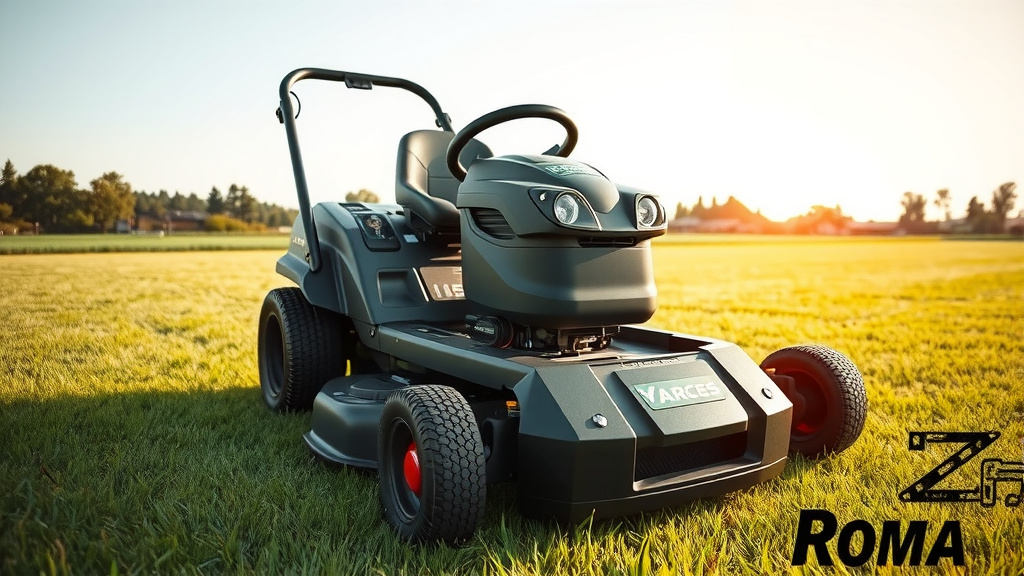
To turn a lawn mower into a racer, you generally need to remove the cutting deck, upgrade the engine for more power, enhance the chassis for stability and handling, and reinforce critical components for higher speeds and safety. This conversion is a popular project among enthusiasts looking for a unique racing experience.
You’ll be diving into engine modifications, structural changes, and safety additions to transform your trusty grass-cutter into a mean machine ready for the track. It’s a journey that requires careful planning and a good understanding of mechanics.
Here’s a quick look at what you’ll find in this guide:
- Understand the core components you’ll modify for speed.
- Learn about essential safety precautions for your build.
- Discover the key steps from engine upgrades to chassis improvements.
- Get practical advice on tuning and testing your new racer.
- Explore important considerations before you begin your project.
How To Turn A Lawn Mower Into A Racer?
Turning a lawn mower into a racer involves a series of modifications focused on increasing speed, improving handling, and ensuring safety. You’re essentially stripping down a utility machine and rebuilding it for performance. This project demands both mechanical skill and a good dose of ingenuity.
Is It Even Possible To Race A Lawn Mower?
Absolutely, yes! Lawn mower racing is a real sport with dedicated leagues and events. People have been racing modified lawn mowers for decades. We found that the British Lawn Mower Racing Association, for example, has been around since 1973. It’s a testament to the creativity and spirit of motorsport enthusiasts.
What Type Of Lawn Mower Is Best For Conversion?
Typically, a riding lawn mower is your best bet for this kind of project. Their sturdy frames and larger engines provide an excellent starting point. A zero-turn mower might seem appealing, but its steering mechanism can be tricky to adapt for racing purposes. Many experts say a basic garden tractor model offers the most straightforward conversion.
Safety First: Your Number One Priority
Before you even think about speed, think about safety. You’re building a vehicle that will operate at much higher speeds than its original design. Proper safety gear and robust modifications are not optional. You’ll need a roll cage, a kill switch, and reinforced braking long before you hit the track (National Safety Council).
Essential Safety Modifications Checklist
- Reinforced Roll Cage (ROPS)
- Emergency Engine Kill Switch
- Upgraded Braking System
- Racing Seat with Harness
- Solid Footwells and Floor Pan
- Secure Fuel Tank Mounting
Stripping Down Your Lawn Mower: The First Steps
Your first task is to remove all unnecessary components. This means taking off the cutting deck, grass bagger, and any plastic shrouds. The goal is to reduce weight and clear space for performance parts. Think of it as preparing a blank canvas for your racing masterpiece.
You’ll want to keep the main frame, engine mounts, steering column, and axles. Everything else can likely go. This initial phase helps you understand the basic structure you’ll be working with.
Engine Upgrades: Unleashing More Power
The original lawn mower engine is designed for slow, steady work, not blistering speeds. To transform it into a racer, you’ll need to coax more power out of it. This is where the real fun, and some complexity, begins.
Modifying The Carburetor
A simple yet effective upgrade is modifying the carburetor. You can often bore out the carburetor or replace it with a larger one. This allows more air and fuel mixture into the engine, leading to increased horsepower. Many DIY guides suggest starting here for a noticeable power bump.
Exhaust System Enhancements
Replacing the restrictive factory exhaust with a performance exhaust system can also free up some power. A straighter, less restrictive exhaust pipe allows gases to exit faster, reducing back pressure. You might even hear a much more satisfying growl from your new machine!
Camshaft And Valve Upgrades
For serious power, consider swapping out the camshaft and upgrading the valves. A performance camshaft changes the timing of valve opening and closing, allowing for better airflow at higher RPMs. This is a more involved modification but yields significant gains (Society of Automotive Engineers research).
Ignition System Improvements
A stronger ignition coil and spark plug can provide a more consistent and powerful spark. This leads to more efficient combustion and can contribute to better engine performance. Don’t underestimate the power of a really good spark.
Gearing Up For Speed: Transmission And Axle
Your lawn mower’s original gearing is built for torque, not speed. You’ll need to adjust the pulley and belt ratios, or even swap out the transmission, to achieve higher speeds. This is how you translate engine power into track-worthy velocity.
Here’s a small comparison of common gearing changes:
| Component | Original Purpose | Racer Modification |
|---|---|---|
| Drive Pulley | Smaller diameter for torque | Larger diameter for speed |
| Axle Pulley | Larger diameter for torque | Smaller diameter for speed |
| Transmission | Low speed, high torque | High speed, lower torque |
Chassis And Handling: Staying On Track
A powerful engine is useless if your chassis can’t handle the speed. You’ll need to reinforce the frame, improve steering, and upgrade the suspension for better control. This ensures your mower stays stable and predictable on the race course.
Reinforcing The Frame
The original frame is not designed for racing stresses. Welding additional supports and bracing will prevent flexing and potential structural failure. Pay close attention to areas around the engine and axle mounts. A strong frame is your foundation.
Steering System Overhaul
The stock steering often has too much play for racing. Tightening up the steering linkage, installing stronger tie rods, or even converting to a direct steering setup can greatly improve responsiveness. You want pinpoint control at higher speeds.
Suspension And Tires
While many racing mowers run solid axles, some custom builds incorporate basic suspension for improved handling on rougher tracks. Crucially, you’ll need proper racing tires. These tires offer better grip and durability than standard lawn mower tires. Traction is key for turning and accelerating.
Braking System: Stopping Is Just As Important
What good is going fast if you can’t stop? The stock brakes on a lawn mower are usually minimal. You’ll need to install a much more robust braking system, often disc brakes, on both the front and rear axles. This is a critical safety upgrade that you absolutely cannot skip.
Many builders opt for hydraulic disc brakes. These provide superior stopping power and better feel than the original cable-actuated systems. You want to be able to stop quickly and reliably.
Final Touches And Testing
Once all the modifications are complete, it’s time for the finishing touches. Install your racing seat and harness, ensure all controls are within easy reach, and secure any loose components. Then, the most exciting part: testing!
Tuning Your Racer
You’ll need to fine-tune your engine, adjust your gearing, and test your brakes in a safe, controlled environment. Small adjustments can make a big difference in performance and handling. We found that beginners often overlook the importance of proper tuning, which can lead to frustration.
Practice, Practice, Practice
Driving a lawn mower racer is different from driving a regular mower or even a go-kart. Get comfortable with its handling, braking points, and acceleration. The more you practice, the better you’ll become at controlling your custom machine.
Conclusion
Transforming a lawn mower into a racer is a rewarding project that combines mechanical skill with a passion for speed. You’ll strip down the original machine, upgrade its engine for power, reinforce its chassis for stability, and implement critical safety features. From tweaking the carburetor to installing a robust braking system, every step brings you closer to a unique racing experience. Remember to prioritize safety above all else, and enjoy the process of building your very own track terror. It’s about the journey, the learning, and the incredible thrill of turning something ordinary into something extraordinary.
How much does it cost to convert a lawn mower into a racer?
The cost varies widely based on the extent of modifications and your sourcing of parts. A basic conversion might cost a few hundred dollars, while a highly competitive build with professional-grade components could easily run into several thousand dollars. It really depends on your budget and performance goals.
Can a beginner convert a lawn mower into a racer?
Yes, a beginner can undertake this project, but it requires patience, a willingness to learn, and basic mechanical skills. Starting with simpler modifications and seeking advice from experienced builders can make the process much smoother. Always prioritize safety and don’t rush the build.
What tools do I need for this conversion?
You’ll need a standard set of mechanic’s tools, including wrenches, sockets, screwdrivers, and a torque wrench. For more advanced modifications, you might need a welder, grinder, drill press, and possibly engine rebuilding tools. Having access to a well-equipped workshop is definitely a plus.
Are there specific rules for lawn mower racing?
Yes, most lawn mower racing associations have specific rules regarding engine size, chassis modifications, and safety equipment. It’s important to check the rulebook of the league you plan to race in before starting your build. This ensures your racer will be eligible for competition.
How fast can a racing lawn mower go?
The speed of a racing lawn mower can vary significantly. While stock mowers rarely exceed 5-10 mph, modified racing mowers can reach speeds of 40-60 mph, and some highly specialized builds have been known to exceed 80 mph. Engine power, gearing, and chassis setup all play a role in top speed.
