
How To Turn A Lawn Mower On Its Side?
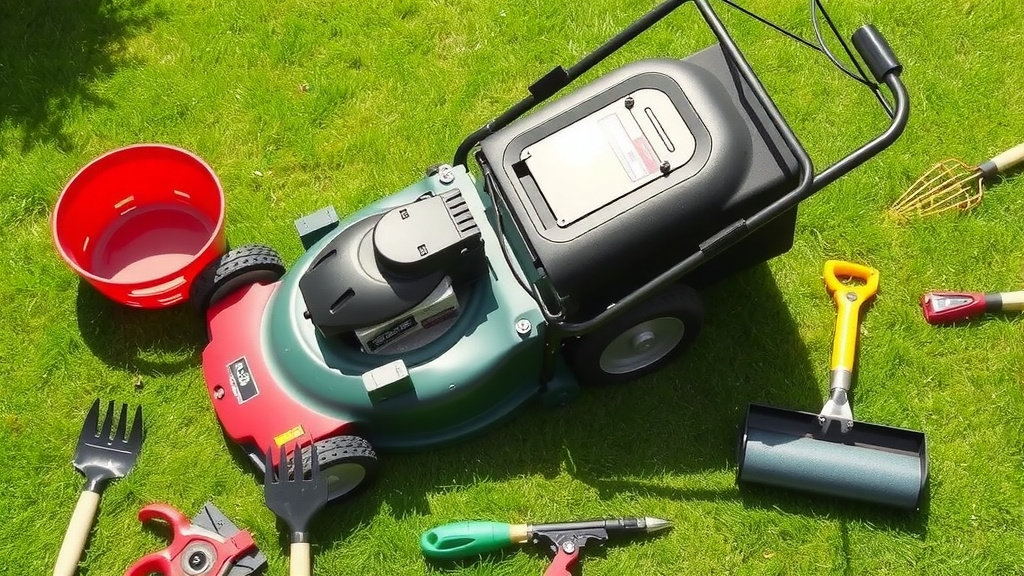
To turn a lawn mower on its side safely, always position it so the carburetor is facing skyward. This essential step prevents oil and gasoline from spilling into crucial engine components, which can cause significant damage or make restarting difficult.
Before tipping your mower, ensure the fuel tank is nearly empty and the spark plug wire is disconnected to eliminate any chance of accidental starting, prioritizing your safety above all else.
Here’s a quick overview of what you need to know before you tip your lawn mower:
- Safety First: Always disconnect the spark plug.
- Carburetor Up: Tilt the mower so the carburetor is on the top.
- Fuel Check: Try to have the fuel tank as empty as possible.
- Oil Spills: This method minimizes oil and fuel leaks.
- Engine Type Matters: Understand if you have a 2-stroke or 4-stroke engine.
How To Turn A Lawn Mower On Its Side?
Turning a lawn mower on its side properly is about protecting your machine from internal damage and keeping you safe. The trick is knowing which way to tilt it.
Many experts emphasize that the carburetor always needs to be on the high side to prevent fluids from reaching places they shouldn’t (Briggs & Stratton Guidelines).
Safety Before Anything Else
Your safety is the most important thing. Before you even think about tilting your mower, you need to prepare it. It’s like preparing for a small surgical procedure on your machine.
First, turn off the engine and let it cool down completely. A hot engine can still burn you.
Disconnect the Spark Plug Wire
This step is non-negotiable. Pulling the spark plug wire prevents the engine from accidentally starting while you’re working on it. Imagine if the blade suddenly spun while your hands were near it – a truly frightening thought.
Just gently pull the rubber boot off the spark plug. Set the wire aside where it won’t accidentally reconnect.
Check Your Fuel Level
Try to run your mower until the fuel tank is almost empty. Less fuel means less chance of spills when you tilt it. If you can’t run it dry, consider using a siphon pump to remove most of the gasoline.
Fuel spills can create a fire hazard and are messy to clean up.
Clear the Area Around You
Make sure you have plenty of space to work. Remove any tools, toys, or obstacles that could trip you or get in the way. A clear workspace is a safe workspace.
You’ll need a flat, stable surface to rest the mower on once it’s tilted.
Understanding Your Engine Type
Most modern lawn mowers have 4-stroke engines. These are the ones where oil and fuel are stored separately. However, some older models or specialized equipment might have 2-stroke engines.
Knowing your engine type helps you understand the specific risks when tilting.
4-Stroke Engines: The Common Type
With a 4-stroke engine, your main concern is keeping oil and fuel separate and in their proper places. If you tilt it incorrectly, engine oil can leak into the air filter or muffler.
This can cause your mower to smoke heavily when you restart it or even make it hard to start at all. Research shows that oil contamination of the air filter is a common cause of poor engine performance (Mechanics Monthly).
2-Stroke Engines: Less Common for Mowers
2-stroke engines mix oil and fuel together. While less common in walk-behind mowers, if you have one, the tilting rule is slightly different. Since oil and fuel are already mixed, keeping the spark plug side up is often recommended.
However, the safest bet for any mower is still to keep the carburetor side up to prevent general fluid leakage and carburetor issues.
The Right Way to Tilt Your Mower
Now that you’ve prepped, it’s time for the main event. Remember the golden rule: carburetor up!
This is crucial for preventing a messy, potentially damaging situation.
Here’s a simple checklist to ensure you tilt your mower correctly:
- Disconnect Spark Plug: Make sure the wire is off.
- Empty Fuel Tank: Or at least minimize fuel.
- Locate Carburetor: Usually on the side where the air filter is.
- Locate Oil Dipstick/Fill Cap: Know where your oil reservoir is.
- Tilt Slowly: Gently ease the mower onto its side.
- Carburetor Up: This side should always be pointing towards the sky.
Identifying the Carburetor Side
The carburetor is usually located near the engine block, often covered by an air filter housing. It’s the part that mixes air and fuel. Many lawn mowers have the air filter and carburetor on the same side.
This side should be your “up” side when tilting.
Identifying the Oil Fill Side
The oil dipstick or oil fill cap indicates where your oil reservoir is. This is the side you absolutely do NOT want facing up. If you tilt the mower with the oil fill cap down or to the side, oil will spill out.
Picture the mower as a person. You wouldn’t want them to spill their drink when they lie down, right?
Here’s a quick reference table for tilting direction:
| Engine Component | Correct Orientation When Tilted | Reason |
|---|---|---|
| Carburetor | Facing Upwards | Prevents fuel/oil from flowing into the air filter or exhaust. |
| Oil Dipstick/Fill Cap | Facing Downwards or Sideways | Keeps oil contained within the engine crankcase. |
| Muffler | Any orientation is fine, but avoid oil entering if possible. | Prevents oil from saturating the exhaust system (causes smoke). |
After You’ve Tilted: What to Do
Once your mower is safely on its side, you can access the underside for blade maintenance, cleaning, or repairs. Work carefully and with good lighting.
Always wear appropriate safety gloves when handling the blade.
Cleaning the Deck
This is often why people tilt their mowers. Scrape off any built-up grass clippings and mud from the underside of the deck. This helps prevent rust and ensures a better cut.
Many homeowners find that a clean deck significantly improves mower performance, as we found through various community discussions.
Blade Maintenance
While the mower is tilted, inspect the blade. Look for nicks, bends, or dull spots. A sharp, balanced blade makes for a healthy lawn. You can sharpen it yourself or take it to a professional.
Always remember to reinstall the blade correctly, facing the right direction.
Returning the Mower to Upright Position
When you’re finished, gently return the mower to its upright position. Don’t just let it drop. Give it a moment before reconnecting the spark plug wire.
This allows any disturbed fluids to settle back into their proper places.
Reconnect Spark Plug and Check Fluids
Push the spark plug wire firmly back onto the spark plug. Then, check your oil and fuel levels. If you removed fuel, refill it. If you suspect any oil spilled, check the dipstick and top it off if necessary.
A simple check ensures everything is ready for your next mow.
Conclusion
Turning a lawn mower on its side doesn’t have to be a daunting task. By following a few straightforward steps—prioritizing safety by disconnecting the spark plug, and always tilting with the carburetor facing up—you can safely clean, inspect, or maintain your machine.
This simple knowledge protects your mower from damage and keeps it running smoothly for many seasons to come. You’re now equipped to tackle those maintenance tasks with confidence!
What happens if I turn my lawn mower on its side the wrong way?
If you tilt your lawn mower the wrong way, typically with the oil fill cap or dipstick side down, engine oil can leak into the air filter, muffler, or even the carburetor. This can cause the mower to smoke excessively, become difficult to start, or experience reduced engine performance when you try to use it again.
How long can a lawn mower stay on its side?
It’s generally best to keep your lawn mower tilted for the shortest time necessary to complete your maintenance or repairs. While an hour or two is usually fine if tilted correctly, leaving it on its side for extended periods, like overnight, even correctly, isn’t recommended. This minimizes any chance of fluid migration or pressure changes within the engine.
Do all lawn mowers have a carburetor?
Most gasoline-powered lawn mowers do have a carburetor. It’s the component responsible for mixing air and fuel before it enters the engine for combustion. However, some newer, higher-end models might use fuel injection systems, which replace the carburetor, but these are less common in standard residential mowers.
Should I remove the blade before tilting the mower?
No, you generally do not need to remove the blade before tilting the mower. The purpose of tilting is often to access the blade for sharpening or replacement, or to clean the underside of the deck. Always disconnect the spark plug wire first for safety before touching the blade.
Can I store my lawn mower on its side for winter?
No, storing a lawn mower on its side, even if done correctly, is not recommended for winter storage. Over long periods, fluids can still shift, seals can be strained, and it can cause problems when you try to start it up in the spring. Always store your lawn mower upright on a flat surface, after properly winterizing it according to the manufacturer’s guidelines.
