
How To Turn Lawn Mower?
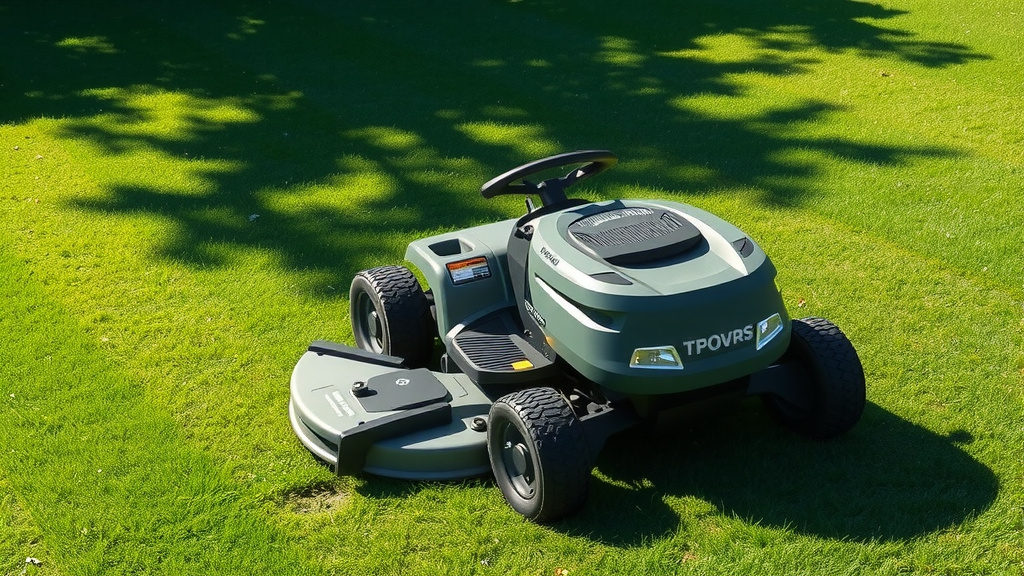
How you turn a lawn mower depends on its type; walk-behind mowers pivot on their rear wheels, while riding mowers use their steering wheel to navigate turns.
For safe and efficient turning, always slow down, disengage the blades if necessary, and use a wide, gradual arc, especially on slopes, to prevent scalping your lawn.
- Always slow down before initiating any turn with your lawn mower.
- Match your turning technique to your specific mower type, whether it’s a push, self-propelled, or riding model.
- Prioritize safety by being aware of your surroundings and maintaining stability throughout the turn.
- Employ wide, gentle turns to protect your lawn from damage and ensure an even cut.
- Learn basic troubleshooting for common turning issues to keep your mowing smooth.
You’re out there, transforming your yard, making it look its best. But then you hit a corner, or need to navigate around a tree, and suddenly, turning your lawn mower feels like a tricky dance. Have you ever wondered if there’s a better way to make those turns? There absolutely is! We found that mastering the turn can make your mowing not just easier, but also safer and much more effective for your lawn.
Many lawn care enthusiasts will tell you that a smooth turn protects your turf and saves you effort (Lawn Care Institute). Whether you have a nimble push mower or a powerful riding machine, understanding the correct technique is a game-changer. Let’s get you turning like a pro.
How To Turn Lawn Mower?
To turn a lawn mower effectively, you must first identify its type and then apply the appropriate technique: pivoting for walk-behinds or steering for riding models, always with a focus on smooth, controlled movements.
Understanding Your Mower Type for Better Turns
Every lawn mower has its own personality, especially when it comes to turning. Knowing what kind of mower you have is the first step to turning it like a seasoned pro. Are you pushing, guiding, or cruising?
Turning a Walk-Behind Mower
Walk-behind mowers are probably what you picture when you hear “lawn mower.” These include both push mowers and self-propelled models. The turning mechanics are quite similar for both.
Gentle Pivoting for Push Mowers
When you’re using a standard push mower, your body is the engine, right? To turn, you’ll want to gently lift the front wheels slightly off the ground. Then, pivot the mower on its rear wheels in the direction you want to go. Think of it like a controlled dance step; it’s all about balance and a smooth rotation. This technique is often seen as the most common way to change direction with these models (Outdoor Power Equipment Institute).
Guiding Self-Propelled Models
Self-propelled mowers do most of the work for you, which is fantastic! When turning, you don’t need to lift the front as much. Instead, slow down your pace and gently steer the handles in the direction you need. A slight pivot on the rear wheels might still be necessary for tighter spots. We found that letting the mower do its thing and just guiding it softly makes turning much less strenuous.
Navigating with a Riding Lawn Mower
Ah, the joy of a riding mower! You’re seated, comfortable, and covering ground quickly. Turning these machines varies significantly depending on whether you have a lawn tractor or a zero-turn mower.
Lawn Tractors: Your Steering Wheel is Key
Driving a lawn tractor is a lot like driving a small car. You use the steering wheel to guide your turns. For the best results, slow down before you start to turn, and use a wide arc. Sharp turns with a lawn tractor can tear up your grass, or “scalp” it, which nobody wants! We often see experts recommending wide, sweeping turns to protect both your lawn and your mower’s stability.
Zero-Turn Mowers: The Power of Levers
Zero-turn mowers are named for their ability to turn on a dime. They don’t have a steering wheel; instead, you use two control levers. Pushing one lever forward while pulling the other back will spin you almost in place. It takes a little practice to get the hang of it, but once you do, you’ll be making incredibly precise turns. It’s like learning a new language, but for your yard! Many professional landscapers swear by their maneuverability.
Essential Turning Techniques for Every Mower
No matter what type of mower you own, some turning principles are universal. These techniques will not only make your mowing experience better but also keep your lawn looking its best.
Always Slow Down Before You Turn
This is probably the most important rule of turning. Speed and sharp turns are a recipe for disaster. Before you change direction, ease off the throttle. Slowing down gives you more control, prevents skidding, and reduces the chance of damaging your turf. It’s like taking a deep breath before a big decision.
Consider Disengaging Blades on Tight Spots
If you’re making a particularly tight turn, say around a small flower bed or a very close obstacle, it’s often a good idea to disengage the blades. This prevents the blades from scalping the grass or chewing up anything they shouldn’t. Once you’re through the turn and back on your straight path, re-engage them. We found that this small step makes a big difference in the finish quality.
Why Wide Arcs Protect Your Lawn
Think of your lawn as a finely woven carpet. Sharp, tight turns can tear at the fibers, leaving unsightly bald spots or uneven cuts. By making wider, gentler arcs, you allow the mower to flow naturally over the grass, minimizing stress on the turf. Many university extension offices recommend this for overall lawn health (Turfgrass Science).
Making Turns on Slopes Safely
Turning on a slope adds an extra layer of challenge. It’s not just about the lawn anymore; it’s about your safety too. Always mow across slopes with a riding mower, never up and down, to avoid tipping. With a walk-behind, mow across the face of the slope, not perpendicular to it. When turning, aim for the flattest section possible, slow way down, and make gradual, uphill turns if you can. Gravity is not your friend here, so be extra cautious.
Common Turning Errors to Avoid
Even seasoned lawn care enthusiasts can fall into bad habits. Let’s look at a couple of common mistakes that can hinder your mowing and harm your lawn.
Sudden, Jerky Movements
Trying to whip your mower around quickly often leads to a choppy, uneven cut or even loss of control. It’s like trying to parallel park in a hurry; it rarely goes well. Aim for smooth, deliberate motions. Your lawn will thank you, and you’ll feel more in charge.
Overlooking Obstacles
Before you even start turning, take a quick scan of your surroundings. Are there rocks, toys, or sprinkler heads hidden in the grass? A sudden turn to avoid an unseen obstacle can cause accidents or damage to your mower. Many safety councils suggest a clear path before any maneuver (Consumer Product Safety Commission).
Your Smart Turning Checklist
To keep your turns safe and your lawn immaculate, here’s a quick checklist you can run through:
- Always reduce your speed significantly before turning.
- Look ahead for any hidden obstacles in your turning path.
- Disengage mower blades for very tight or challenging turns.
- Choose a wide, gradual arc to protect your turf.
- Maintain a firm grip and stable footing (for walk-behinds).
- For riding mowers, avoid sudden steering wheel jerks.
Maneuvering Your Mower in Confined Areas
Tight spots, like around garden beds or intricate landscaping, require a bit more finesse. Don’t worry, you can handle it!
Walk-Behind Strategy
For walk-behind mowers, use that gentle pivot technique, lifting the front wheels slightly. Consider making a series of smaller, overlapping turns rather than one big, awkward one. This “three-point turn” approach gives you maximum control in minimum space. Sometimes, we found it helps to back up a tiny bit to reposition.
Riding Mower Strategy
With riding mowers, especially lawn tractors, tight spots are challenging. You might need to perform a multi-point turn, backing up and pulling forward to gradually adjust your position. For zero-turn mowers, this is where they truly shine! Their ability to spin on their axis makes navigating tight spaces surprisingly easy. It just takes a little practice with those control levers.
Troubleshooting Turning Challenges
Sometimes, turning isn’t as smooth as you’d like. Here’s a quick guide to common issues and how to fix them:
| Problem | Possible Cause | Simple Solution |
|---|---|---|
| Difficulty pivoting (Walk-behind) | Heavy mower, tall grass | Lift front wheels more, clear path |
| Skidding or losing traction | Wet grass, worn tires, too fast | Mow when dry, check tire tread, slow down |
| Uneven cut after turning | Sharp turn, blades engaged | Use wider arcs, disengage blades briefly |
| Riding mower feels stiff | Low tire pressure, steering issue | Check tire pressure, lubricate linkages |
Conclusion
Mastering how to turn your lawn mower really does make a significant difference in your lawn care routine. It’s not just about getting the job done, but about doing it well, safely, and efficiently. By understanding your specific mower type, applying universal turning principles like slowing down and using wide arcs, and being mindful of your surroundings, you’ll achieve a beautifully cut lawn without the fuss.
Remember, practice makes perfect. The more you consciously apply these techniques, the more natural and instinctive they’ll become. So go ahead, confidently tackle those corners, and enjoy the satisfaction of a perfectly manicured lawn, thanks to your smooth turning skills!
How do I turn a push lawn mower without scalping the lawn?
To turn a push lawn mower without scalping, gently lift the front wheels slightly off the ground while the blades are engaged, then pivot on the rear wheels. Make sure to keep the turn gradual and avoid sudden, sharp movements that could dig into the turf.
Is it better to turn a riding mower with the blades engaged or disengaged?
For most turns on a riding mower, especially wide arcs on open lawn, keeping the blades engaged is fine. However, if you are making a very tight turn or maneuvering around delicate obstacles, disengaging the blades briefly can prevent scalping, reduce stress on the mower, and protect surrounding landscaping.
What’s the trick to turning a zero-turn mower smoothly?
The trick to turning a zero-turn mower smoothly is to feather the control levers. Instead of abruptly pushing one lever fully forward and the other fully back, make small, gradual adjustments. Apply gentle pressure to the levers to achieve a controlled pivot, letting the mower “dance” rather than spin aggressively.
Why does my lawn mower leave un-mowed strips when I turn?
Un-mowed strips after turning often happen because you’re not overlapping your passes enough, or your turn is too sharp, causing the cutting deck to lift slightly. Try making wider, gentler turns and ensure each new pass overlaps the previous one by a few inches to catch all the grass.
Should I turn my lawn mower downhill or uphill on a slope?
When turning a lawn mower on a slope, always aim for the flattest possible section if you can. For riding mowers, turn uphill to reduce the risk of tipping. For walk-behind mowers, maintain firm footing and make turns across the slope, never turning while moving downhill, to ensure stability.
