
How To Turn Lawn Mower Into Go Kart?
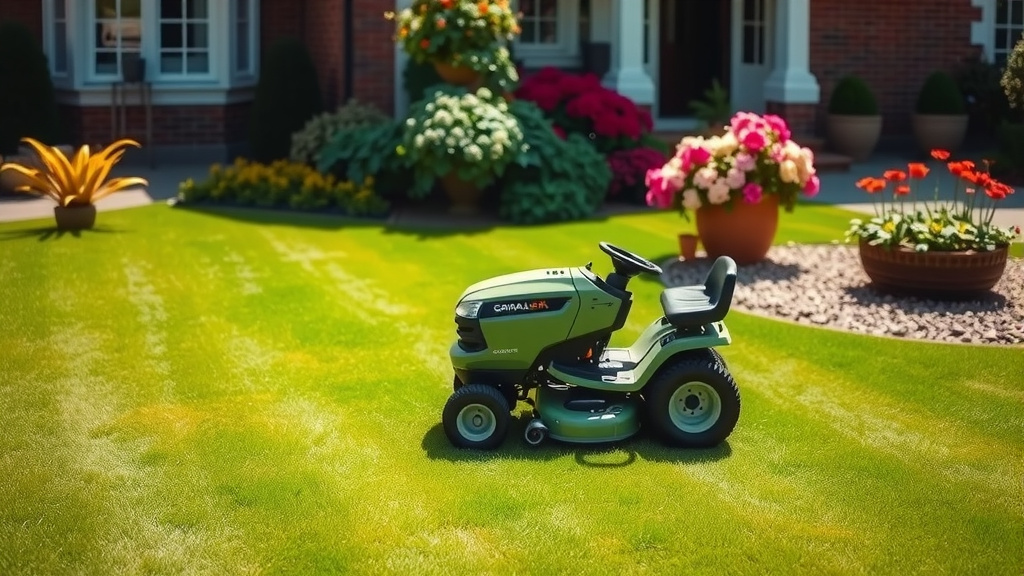
You can turn a lawn mower into a go-kart by meticulously stripping down its original components, reinforcing the chassis, and adapting the engine for increased speed and handling.
This exciting project transforms a utilitarian machine into a recreational vehicle, requiring significant mechanical skill, specific tools, and a strong commitment to safety during every step.
- It’s possible to convert a lawn mower into a go-kart, but it demands mechanical know-how.
- Prioritize safety with every modification, from the frame to the brakes.
- You’ll need specific tools and parts beyond the original mower.
- The project involves significant effort and might not always be cost-effective.
How To Turn Lawn Mower Into Go Kart?
Transforming a lawn mower into a go-kart is a popular DIY challenge. It involves taking apart an old mower, adapting its engine, and building a new frame for speed and fun. We found that this process is less about cutting grass and more about creative engineering and problem-solving.
Think of it as giving your old lawn workhorse a thrilling second life. Is it a simple task? Not always, but with the right guidance, you can navigate the steps effectively.
Understanding the Core Idea: Mower to Kart
At its heart, this conversion is about repurposing power. A lawn mower engine is designed for steady torque, perfect for blades. A go-kart engine needs more speed and quick response. We found that the biggest hurdle is matching engine capabilities to kart expectations.
You’re essentially building a new vehicle around an existing power plant. This means focusing on the drive train, steering, and braking systems.
Why Convert a Lawn Mower?
Many people are drawn to this project for several reasons. For some, it’s the satisfaction of building something unique from scratch. Others see it as a cost-effective way to get a go-kart, using parts they might already own. It’s a fantastic learning experience too.
It teaches you about mechanics, fabrication, and the physics of motion. Plus, the bragging rights are pretty cool, wouldn’t you agree?
Choosing the Right Lawn Mower for Your Go-Kart Project
Not all lawn mowers are created equal for this conversion. The type of mower you start with will greatly influence your project’s success and difficulty. Many experts suggest starting with a riding lawn mower, particularly one with a strong frame and engine.
Riding Mower vs. Push Mower: Which Is Better?
A riding mower offers a significant advantage: its chassis often includes a suitable frame and engine already attached. This makes the structural modifications much simpler. You’re adapting, not building from the ground up.
Push mowers are trickier. They have smaller engines and no existing frame to adapt. We found that converting a push mower often means building an entirely new frame, adding to the complexity. Here’s a quick comparison:
| Feature | Riding Mower | Push Mower |
|---|---|---|
| Engine Size | Larger, more powerful | Smaller, less powerful |
| Existing Frame | Yes, often adaptable | No, new frame required |
| Drive System | Typically more robust | Less suitable for go-kart |
| Overall Difficulty | Moderate | High |
Essential Tools and Materials You’ll Need
Before you even think about getting greasy, gather your tools. You’ll need a good set of wrenches, sockets, and screwdrivers. A grinder and a welder are almost a certainty for frame modifications. Safety gear is non-negotiable.
Basic Tool Kit Checklist:
- Wrench set (metric and SAE)
- Socket set
- Screwdriver set
- Angle grinder with cutting and grinding discs
- Welder (MIG or Stick)
- Drill and drill bits
- Measuring tape and marker
- Safety glasses, gloves, and ear protection
Required Materials:
Beyond the mower, you’ll need metal tubing for the frame (if building new), a new seat, steering components, and proper braking mechanisms. Don’t forget new tires and axles designed for kart speeds. Research often connects strong materials with better safety (National Safety Council).
Step-by-Step Guide to Conversion
This is where the rubber meets the road—or the garage floor! This process requires patience and attention to detail. Remember, safety first, always.
Step 1: Disassembly and Stripping Down
Carefully remove all non-essential parts from your chosen mower. This includes the mower deck, blades, and any plastic shrouds. You want to be left with the frame, engine, and drive components. Label everything if you think you’ll forget where it goes.
Step 2: Frame Inspection and Modification
Inspect the existing frame for damage or weakness. If you’re using a riding mower frame, you’ll likely cut it down to a shorter wheelbase. For push mower conversions, you’ll fabricate a new, stronger frame from metal tubing. Many guidelines point to square steel tubing as a good choice for strength (Engineering For Kids).
Step 3: Engine Preparation and Mounting
The engine is the heart of your go-kart. Clean it thoroughly and perform any necessary maintenance, like changing the oil and spark plug. You might need to adjust the carburetor for better performance. Mount the engine securely to your modified frame.
Step 4: Steering System Installation
This is a critical safety component. You’ll need a steering shaft, a steering wheel, and tie rods connected to the front wheels. Ensure there’s no play in the steering; it needs to be precise.
Step 5: Braking System Implementation
A go-kart needs reliable brakes. We found that disc brakes are a common and effective choice for DIY karts. Install brake calipers on the rear axle and connect them to a foot pedal. Test them extensively before any joyrides.
Step 6: Drive Train and Axle Setup
Connect the engine’s output to the rear axle, usually via a chain and sprocket system. Calculate your gear ratios carefully to balance speed and torque. Properly aligned axles are essential for stable handling and tire wear.
Step 7: Wheel and Tire Installation
Choose tires appropriate for your intended use—smooth for pavement, knobby for off-road. Ensure they are correctly mounted and inflated. Wheel stability is key for control at speed.
Step 8: Seat, Fuel Tank, and Final Checks
Install a comfortable and secure seat. Mount the fuel tank safely away from the engine. Before that first start, double-check every bolt, weld, and connection. Are all wires secure? Is the fuel line tight? This is your final safety audit.
Safety First: Before You Start and After You Finish
Converting a lawn mower can be a blast, but it’s not without risks. Prioritizing safety at every stage is non-negotiable. Always remember, you’re dealing with a powerful engine and moving parts.
Pre-Build Safety Checklist:
- Wear appropriate personal protective equipment (PPE).
- Work in a well-ventilated area.
- Disconnect the spark plug wire before working on the engine.
- Use stable jack stands, not just a jack.
- Have a fire extinguisher nearby.
Post-Build Safety Considerations:
Once your kart is built, don’t just jump on and go. Test the brakes repeatedly. Check steering responsiveness. Ensure all guards are in place. Many experts agree that wearing a helmet, gloves, and sturdy clothing is critical for safe operation (Go-Kart Safety Guidelines).
Consider adding a roll bar, even if it adds complexity. It’s an extra layer of protection that could make a difference.
Legal and Ethical Considerations
A converted lawn mower go-kart is typically not street legal. It lacks the safety features and registrations required for public roads. Always operate your go-kart on private property with permission. Respect noise ordinances and local regulations. You don’t want your fun to cause problems for others.
Conclusion
Turning a lawn mower into a go-kart is a rewarding project for the mechanically inclined. It’s a journey from a grass-cutting machine to a customized, fun vehicle. While it demands effort, the payoff is a unique ride and a wealth of new skills. Remember to always prioritize safety, from your initial planning to the final test drive. Enjoy the build, and most importantly, enjoy the ride!
Can I use any lawn mower engine for a go-kart?
While technically you can use almost any lawn mower engine, a larger engine from a riding mower is generally better. It offers more horsepower and torque, which is essential for a go-kart’s speed and performance compared to the smaller engines found on push mowers. Engine condition also plays a big role.
Is it expensive to convert a lawn mower into a go-kart?
The cost varies greatly depending on what parts you already have and what you need to buy. If you have an old mower and can source scrap metal for the frame, it can be relatively inexpensive. Buying new parts like steering kits, axles, and specific tires will increase the budget considerably. Many people find the initial savings appealing, but specialized parts can add up.
How fast can a lawn mower go-kart go?
The speed of a converted lawn mower go-kart depends on several factors: the engine’s horsepower, the weight of the kart, and the gear ratio you choose. Some karts might reach 15-20 mph, while others with more powerful engines and optimized gearing could go faster. Always consider safety limits for your specific build.
Do I need welding skills to build a go-kart from a lawn mower?
Yes, welding skills are highly recommended, if not essential, for creating a safe and sturdy go-kart frame. Strong, reliable welds are crucial for the structural integrity of the vehicle, especially for mounting the engine, axles, and steering components securely. If you don’t have welding skills, consider getting help from someone who does.
What is the most challenging part of converting a lawn mower into a go-kart?
Many builders find that fabricating or significantly modifying the frame and ensuring a perfectly aligned and functional steering and braking system are the most challenging aspects. These components directly impact the kart’s safety and drivability. Getting these right requires precision and patience.
