
How To Turn Off Push Lawn Mower?
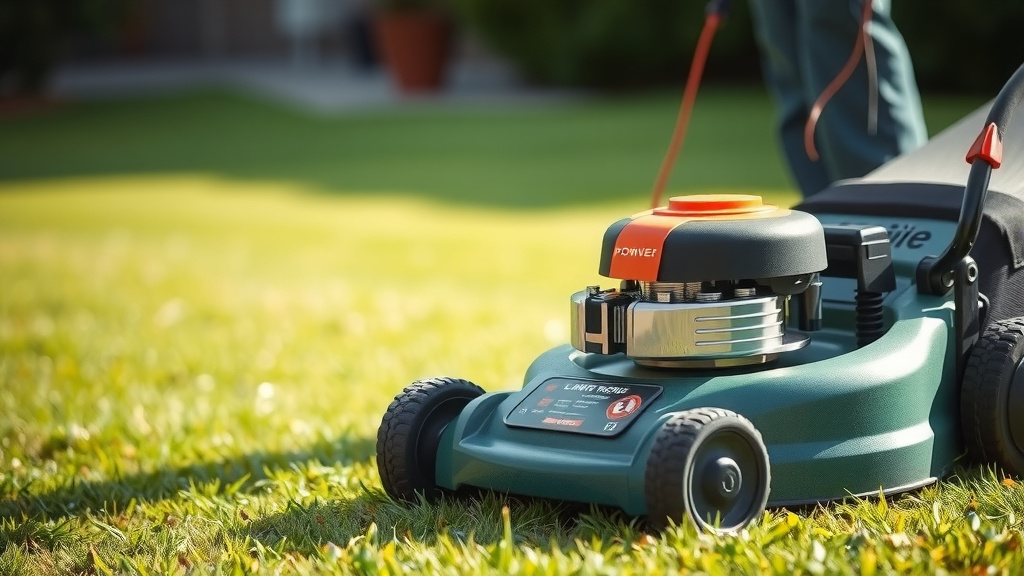
To turn off a push lawn mower, you typically release the safety bail bar handle on the handlebar, which immediately kills the engine.
For older models without a bail bar, safely pull the spark plug wire off its terminal or deplete the fuel to stop the engine.
Here’s a quick look at how to power down your mower:
- Release the bail bar for modern mowers.
- Disconnect the spark plug for older models.
- Always prioritize safety to prevent accidents.
- Ensure the engine is completely cool before maintenance.
- Check for obstructions if your mower struggles to shut off.
How To Turn Off Push Lawn Mower?
Turning off your push lawn mower is usually a straightforward process designed for safety and ease. Modern mowers often have a safety bail bar that disengages the engine when released, while older models might require manually disconnecting the spark plug. Knowing the correct method for your specific mower is essential for both your safety and the machine’s longevity.
Understanding Your Mower’s Kill Switch
Every lawn mower has a way to quickly stop the engine. This “kill switch” is a critical safety feature, ensuring that you can power down the machine instantly if needed. It’s not just about ending your mowing session; it’s about preventing potential hazards. We found that understanding this mechanism is a core part of safe lawn care practices (OPEI guidelines).
The Modern Safety Bail Bar
Most contemporary push mowers come equipped with a safety bail bar, sometimes called an operator presence control bar. You might recognize it as the bar you hold against the handle while mowing. When you let go of this bar, the engine should immediately shut down. It’s a fantastic safety measure, designed to stop the blades and engine if you lose control or step away from the mower.
Older Mowers and the Spark Plug Method
If your mower is a bit older, it might not have the convenient bail bar. In such cases, the primary method to turn it off is to disconnect the spark plug wire. This cuts off the ignition, preventing the engine from firing. It’s a very direct and effective way to stop the engine and ensure it stays off, especially important before any maintenance or inspection.
Why Proper Shut-Off Matters
You might think, “It’s just turning off a machine, right?” But properly shutting down your mower goes beyond simply ending its operation. It’s about protecting yourself, your family, and even the mower itself. Many experts say a correct shutdown routine can prevent costly repairs down the line (Manufacturer guidelines).
Preventing Accidental Starts
Imagine your mower accidentally starting up when you’re clearing grass or doing a quick check. Scary, isn’t it? Properly disengaging the engine ensures it won’t unexpectedly fire up, reducing the risk of injury significantly. It’s like putting a car in park and turning off the engine – you wouldn’t just leave it in drive.
Engine Health and Longevity
A sudden, harsh stop can sometimes be hard on an engine over time, though modern mowers are designed for quick stops. Ensuring the engine cools down naturally or stopping it through the intended mechanism contributes to its overall health and lifespan. It’s a small act that pays dividends, much like how taking care of your car’s engine ensures it lasts longer.
Step-by-Step: Turning Off a Bail Bar Mower
Ready to power down your modern marvel? It’s often as simple as letting go! Here’s a quick checklist:
- Release the Bail Bar: Simply let go of the safety bar you’ve been holding against the handle.
- Listen for Stop: The engine and blades should immediately stop spinning.
- Wait for Cooling: Allow the engine to cool down completely before storing or refueling.
- Store Safely: Push the mower into its storage spot, ensuring no one can accidentally restart it.
- Clean Up (Optional): Once cool, you can clean any grass clippings from the deck.
Step-by-Step: Turning Off an Older Mower
If your trusty older model doesn’t have a bail bar, the process is a little more hands-on but just as effective. Safety is paramount here!
- Reduce Throttle (if applicable): If your mower has a throttle control, move it to the “STOP” or “SLOW” position.
- Locate the Spark Plug: This is usually a rubber-capped wire connected to a ceramic insulator on the engine.
- Pull the Spark Plug Wire: Firmly grasp the rubber boot and pull it straight off the spark plug terminal. You’ll hear a distinct pop. This action completely disables the ignition system.
- Wait for Cooling: Let the engine cool down for at least 30 minutes before doing anything else.
Troubleshooting: Mower Won’t Shut Off?
What if your mower just keeps running, despite your efforts? This can be concerning, but don’t panic! It’s a sign something isn’t quite right with the kill switch mechanism. We found that this usually points to a few common issues that are often simple to diagnose and fix. Your immediate action should be to safely disconnect the spark plug wire if the bail bar fails.
Checking the Bail Bar Cable
For bail bar models, the cable connecting the bar to the engine’s kill switch can sometimes stretch, break, or become disconnected. If you release the bar but the engine keeps running, first inspect this cable. Is it frayed? Is it securely attached at both ends? A loose cable won’t properly engage the kill switch. A quick adjustment or replacement might be all it needs (Many service manuals explain this).
Inspecting the Spark Plug Connection
Even if you’re using the spark plug method, a faulty connection could be the problem. Ensure the spark plug wire is actually making contact and pulling it completely off stops the engine. Sometimes, a dirty or corroded spark plug terminal might prevent a clean disconnect, though this is less common for the “won’t shut off” scenario. The core idea is to cut ignition.
Fuel Valve Considerations
While less common as a direct shut-off problem, some older mowers have a fuel shut-off valve. If your mower refuses to die even after disconnecting the spark plug, you might have to turn off the fuel supply and let it run out of gas. This isn’t the primary kill method but can be a temporary solution for a stubborn engine. Always refer to your mower’s manual for specific instructions.
Safety First: Always Power Down Correctly
We can’t stress this enough: your safety is paramount. Anytime you’re near a running lawn mower, be aware of the spinning blades and hot engine parts. It’s a powerful tool, and treating it with respect reduces the risk of accidents. Research often connects improper shutdown procedures with higher rates of user injury (Consumer Reports Safety Data).
- Always wear appropriate safety gear, including sturdy shoes and eye protection.
- Never leave a running mower unattended, even for a moment.
- Keep children and pets away from the mowing area.
- Wait for the engine to cool before performing any maintenance or cleaning.
- Store fuel in approved containers away from heat sources.
When to Perform Extra Safety Steps
Sometimes, simply turning off the mower isn’t enough. You might need to take additional precautions depending on the task at hand. Thinking ahead can save you a lot of trouble. This table helps you understand when to take that extra moment for safety.
| Situation | Recommended Extra Safety Step |
|---|---|
| Clearing a clog or obstruction | Disconnect the spark plug wire (even with a bail bar) AND wait for blades to stop. |
| Inspecting blades or underside | Disconnect spark plug wire, let engine cool, and ensure mower is stable. |
| Refueling the mower | Turn off engine, let it cool for at least 15 minutes, and refuel on a flat, open surface. |
| Long-term storage | Drain fuel or add stabilizer, disconnect spark plug, and clean thoroughly. |
Conclusion
Knowing how to properly turn off your push lawn mower is a fundamental part of safe and effective lawn care. Whether you’re dealing with a modern bail bar or an older model requiring a spark plug disconnect, the principles remain the same: safety and engine longevity. Always prioritize disconnecting the ignition, and if you ever encounter issues, troubleshoot systematically. Your lawn mower is a powerful tool, and with a little care and understanding, you can ensure many seasons of safe and efficient mowing. Keep those blades still when you’re done, and your yard will thank you!
What should I do if my lawn mower won’t turn off with the bail bar?
If your mower’s bail bar fails to stop the engine, immediately pull the spark plug wire off the spark plug to cut power. Then, inspect the bail bar cable for any damage, disconnections, or stretching that might prevent it from engaging the kill switch.
Is it safe to just let a mower run out of gas to turn it off?
While letting a mower run out of gas will eventually stop it, it is not the recommended primary shut-off method. It can be hard on the engine and does not provide an instant stop for safety. Always use the designated kill switch or spark plug method first.
How do I know if my mower has a safety bail bar?
A safety bail bar is typically a metal or plastic bar that runs across the top of the mower’s handle. You must hold it against the main handle for the engine to run. If your mower has this feature, releasing it will cause the engine to shut off.
When is it absolutely crucial to disconnect the spark plug?
It’s absolutely crucial to disconnect the spark plug whenever you are working on the mower’s blades, clearing the deck, inspecting underneath, or performing any maintenance that could potentially expose you to moving parts. This prevents accidental starts and ensures maximum safety.
Can a dirty spark plug cause my mower not to turn off?
A dirty spark plug itself usually won’t prevent a mower from turning off through its designated kill switch. A corroded terminal might make the manual spark plug wire disconnect difficult, potentially delaying the stop. The issue for failure to shut off is more likely with the kill switch mechanism itself.
