
How To Unlock A Lawn Mower?
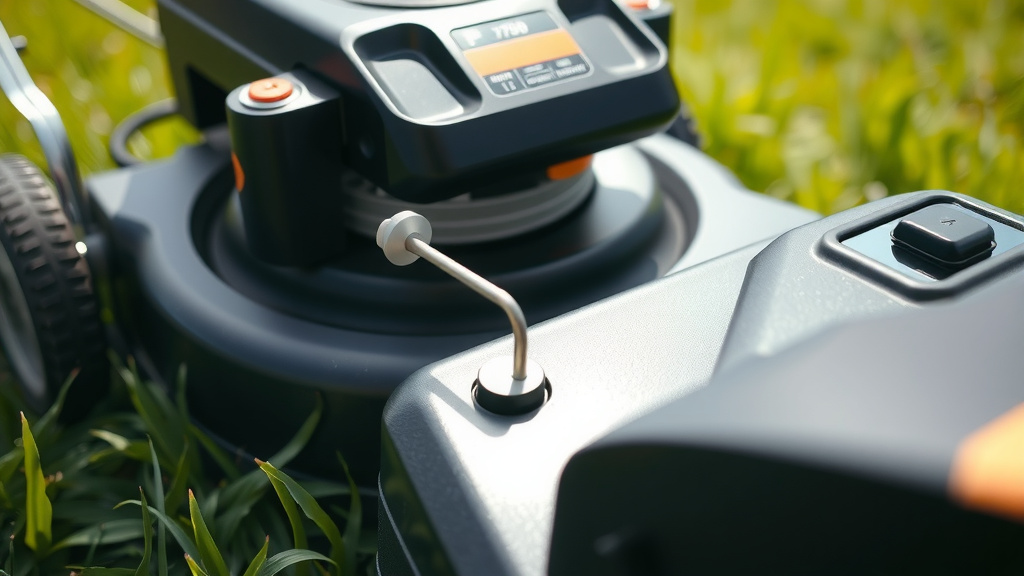
To unlock a lawn mower, first ensure the operator presence control bar is fully engaged, as this is a common safety feature preventing startup. Then, check your ignition key, fuel level, and battery connections for any obvious issues.
Often, a lawn mower won’t start or move due to a disengaged safety switch, a dead battery, or obstructions around the blade or wheels, all of which need to be resolved to unlock its operation.
Here’s a quick overview of how to get your lawn mower running again:
- Always check your operator presence bar first; it’s a primary safety switch.
- Inspect the ignition key, fuel, and oil levels for common power issues.
- Look for a dead battery or loose connections, as these frequently cause lock-ups.
- Clear any debris from around the blades or under the deck.
- If the problem seems electrical or mechanical, consider contacting a professional.
How To Unlock A Lawn Mower?
Unlocking a lawn mower typically involves addressing a specific safety mechanism, power issue, or obstruction that prevents it from starting or moving. Start by checking the operator presence control bar and then basic power sources.
Why Is Your Mower Locked?
It’s a common frustration: you’re ready to mow, but your machine refuses to start or move. Many things can make your mower seem “locked.” Often, it’s a safety feature doing its job, or a simple issue easily fixed.
We’ve found that most lock-ups stem from either power problems, safety system trips, or mechanical obstructions. Don’t worry, we’ll walk through each one.
Safety First: Power Down!
Before you touch anything, always make sure your lawn mower is off. If it’s a gas mower, disconnect the spark plug wire. For electric models, unplug the power cord or remove the battery. Your safety is most important here.
The Ignition Key Mystery
Is your lawn mower key missing or just not turning? Sometimes, the key itself can be the problem. Try a spare key if you have one. If the key is stuck, a little lubricant might help (many experts suggest graphite powder).
Many experts advise checking the key’s condition. A bent or damaged key may not properly engage the ignition, leaving your mower unwilling to start (Outdoor Power Equipment Institute).
Fuel and Oil Basics
This might sound too simple, but it’s often overlooked! Is there enough fresh fuel in the tank? Stale fuel can cause significant starting problems. Also, check your oil level; low oil can trigger a safety shutdown in some models.
Research shows that old fuel, especially ethanol-blended gasoline, can damage small engines over time (EPA).</ Always use fresh, stabilized fuel.
Battery Woes and Electrical Hiccups
If your mower has an electric start, a dead or weak battery is a prime suspect. Check the battery terminals for corrosion and ensure they are clean and tight. A simple jump start or charge might be all you need.
We’ve found that loose battery cables often prevent enough current from reaching the starter motor. It’s like trying to talk on a phone with a weak signal!
Checking Spark Plugs and Wiring
For gas mowers, the spark plug is central to ignition. Remove it and check for damage or carbon buildup. A dirty or faulty spark plug won’t create the spark needed. Clean it or replace it if necessary.
Also, give a quick look at other visible wires. Are any disconnected, frayed, or chewed by pests? Sometimes a loose electrical connection is all that’s holding you back.
Blade Engagement System Checks
Most walk-behind mowers have an operator presence control bar. You must hold this bar against the handle to engage the blades and allow the engine to run. If this bar is released, the mower will shut off. Ensure it is fully engaged and functioning.
For riding mowers, check the blade engagement lever. If it’s not in the disengaged position, the mower may not start. This is a built-in safety to prevent accidental blade rotation.
Obstructions Under the Deck
A very common reason for a mower to “lock up” is debris. Grass clippings, sticks, or rocks can get jammed around the blades, preventing them from spinning. This can also cause the engine to seize or stall.
With the spark plug wire disconnected (or battery removed), carefully tilt the mower and inspect underneath. Clear any obstructions using a stick or appropriate tool, never your hands.
When the Starter Rope Plays Hard to Get
If you have a pull-start mower and the rope is stuck or feels unusually hard to pull, it could be a few things. A clogged air filter can cause starting issues, making the engine “feel” locked up.
Sometimes, the flywheel brake may not be fully releasing, which is another safety feature. Inspect the area around the flywheel for any blockages.
Wheels That Won’t Turn
It’s not just about the engine; sometimes the wheels are locked. This can happen if grass or debris builds up around the axles or in the wheel mechanisms. Give each wheel a gentle tug and spin to see if it moves freely.
For self-propelled mowers, ensure the drive engagement lever is disengaged if you’re trying to push it. If it’s engaged, the transmission will resist free movement.
| Issue Type | Common Symptoms | Quick Fix |
|---|---|---|
| Safety Switch Activated | Mower won’t start/cuts off | Engage control bar, check blade lever |
| Power Problem | No crank, weak start | Check fuel, oil, battery, spark plug |
| Mechanical Obstruction | Blades won’t turn, engine stalls | Clear debris from under deck |
| Stuck Starter Rope | Rope won’t pull freely | Check flywheel brake, clean air filter |
| Wheel Lock | Mower won’t roll | Clear debris from axles, disengage drive |
Understanding Safety Features
Modern lawn mowers are equipped with several safety features to prevent accidents. The operator presence control and blade brake are prime examples. Getting familiar with your mower’s specific safety systems, often detailed in your owner’s manual, helps diagnose issues faster.
We found that understanding these features can often solve a “locked” mower situation before you even pick up a tool. They’re there to protect you!
Preventive Steps for Smooth Starts
A little routine care can prevent most lock-up issues. Think of it as giving your mower a regular check-up. Here’s a quick list to keep things running smoothly:
- Always use fresh fuel: Stale fuel is a common culprit for starting woes.
- Clean under the deck: Remove grass clippings after each use to prevent buildup.
- Check oil levels: Ensure proper lubrication to avoid engine seizing.
- Inspect spark plug: Clean or replace it periodically for reliable ignition.
- Maintain battery charge: Keep your battery charged, especially during off-seasons.
- Store properly: Protect your mower from elements when not in use.
Knowing When to Call for Help
Sometimes, despite your best efforts, the problem is beyond a simple fix. If you’ve gone through these steps and your mower is still locked, or if you suspect a major engine or transmission issue, it’s best to call a professional. They have the specialized tools and expertise to diagnose complex problems safely.
Don’t risk further damage or injury by attempting repairs beyond your comfort level. Many repair shops offer quick diagnostics.
Conclusion
Unlocking a lawn mower often comes down to systematic troubleshooting, starting with the simplest solutions. From ensuring your safety bar is engaged to checking fuel and clearing obstructions, many common “lock-ups” are easily resolved with a little patience.
Remember, your lawn mower has built-in safety features that might make it seem stuck. By understanding these, performing regular maintenance, and knowing when to seek professional help, you can keep your mower running smoothly season after season.
What if my lawn mower’s pull cord is completely stuck and won’t budge?
If your pull cord is completely stuck, first ensure the operator presence control bar is engaged, then check under the mower deck for any debris jamming the blade. If clear, the issue might be internal, such as a seized engine (often from low oil) or a flywheel brake issue. Do not force the cord; seek professional assistance if it doesn’t free up after basic checks.
Can a dirty air filter prevent a lawn mower from starting or make it feel locked?
Yes, a severely dirty air filter can restrict airflow to the engine, making it very difficult to start. While it doesn’t “lock” the mower in a mechanical sense, the engine won’t get enough air to ignite the fuel, leading to a feeling of resistance or a complete failure to start. Cleaning or replacing the air filter is a good troubleshooting step.
My riding lawn mower won’t move, but the engine starts. What could be wrong?
If the engine starts but the mower won’t move, check the drive belt and transmission. The drive belt might be broken, loose, or slipped off its pulleys. Also, ensure the transmission is engaged and not in neutral or a “freewheel” mode. Sometimes, a clogged hydrostatic transmission filter can also cause movement issues.
Is it safe to clear grass from under the mower deck with my hands?
Absolutely not. It is extremely dangerous to use your hands to clear anything from under the mower deck, even if the engine is off. Always disconnect the spark plug wire (for gas mowers) or remove the battery/unplug (for electric mowers) and use a stick or specialized tool to remove debris. Blades can still move and cause serious injury.
My electric lawn mower won’t turn on. Is it “locked” too?
For electric mowers, a “locked” feeling usually points to a lack of power or a tripped safety switch. Check that the power cord is fully plugged into a working outlet, and inspect the cord for any damage. Also, ensure any circuit breakers on the mower or in your home haven’t tripped. If battery-powered, ensure the battery is charged and properly seated.
