
How To Use Dremel Lawn Mower Sharpener?
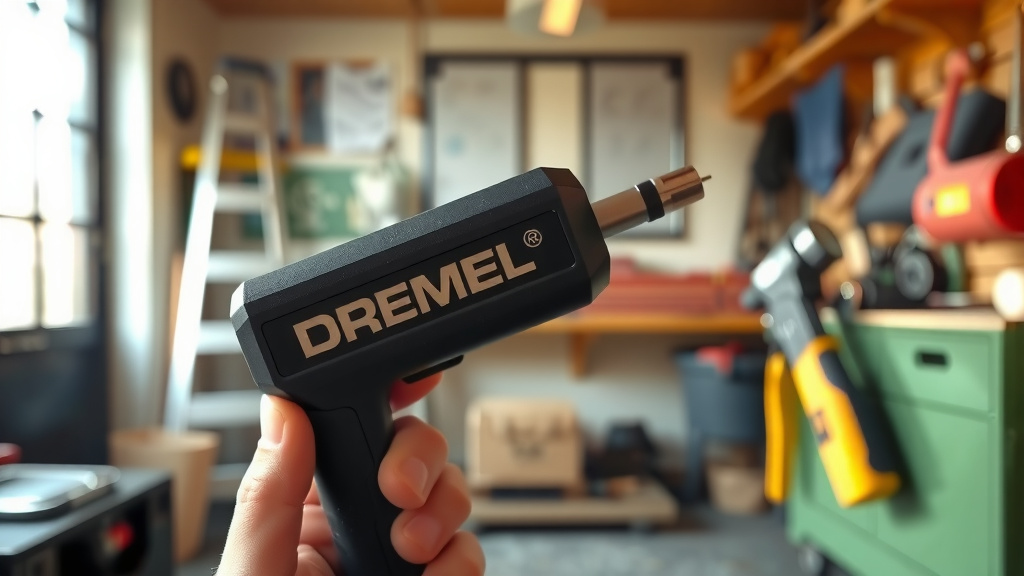
To use a Dremel lawn mower sharpener, securely clamp your mower blade and attach the sharpening attachment to your Dremel tool. Then, carefully guide the abrasive stone along the blade’s existing bevel at a consistent angle, working from the blade’s base to the tip.
Always prioritize safety by disconnecting the spark plug and wearing appropriate protective gear before you begin sharpening your lawn mower blade with a Dremel tool.
Here’s a quick summary of what you’ll learn:
- Discover why sharp blades are essential for a healthy lawn.
- Learn how a Dremel tool provides precise sharpening control.
- Understand the critical safety steps before you start.
- Get a clear, step-by-step guide to sharpening your blade effectively.
- Find out how to check for balance and reattach your newly sharpened blade.
How To Use Dremel Lawn Mower Sharpener?
You can use a Dremel lawn mower sharpener by attaching the sharpening guide to your rotary tool, securing your blade, and carefully grinding the edge back to its original sharpness. It’s a straightforward process when you follow the right steps.
Why Sharp Blades Really Matter
Ever wondered why your lawn looks ragged after a mow, with brown tips on the grass? Dull blades are the usual culprit. A sharp blade makes a clean cut, helping your grass recover faster and stay healthier (University of Illinois Extension).
Think of it like a chef’s knife. A sharp knife slices effortlessly, but a dull one tears. Your lawn deserves a clean cut for a lush, green appearance. We found that proper blade sharpness prevents disease and promotes vibrant growth.
Is a Dremel Tool Right for You?
A Dremel tool, with its specialized sharpening attachment, offers a lot of control. It’s great for getting a precise angle, especially if you prefer a hands-on approach. You might find it less cumbersome than a bench grinder for small jobs.
Many homeowners choose a Dremel because it’s versatile. You might already own one for other projects, making it a cost-effective choice. We found that it’s particularly useful for maintaining the existing angle of your blade.
Gathering Your Sharpening Gear
Before you start, collect everything you’ll need. This makes the job smoother and safer. Having all your tools ready prevents frustrating interruptions.
- A Dremel rotary tool
- Dremel lawn mower sharpening attachment kit (usually includes the guide and grinding stone)
- Work gloves
- Safety glasses
- Vice or sturdy clamps
- Wrench for removing the blade
- Wire brush or scraper (for cleaning)
- Blade balancing tool (highly recommended)
Safety First: Before You Begin
This is arguably the most important step. Working with mower blades and power tools requires serious caution. Many experts say that safety should always be your top priority (OSHA guidelines).
Always disconnect the spark plug wire on gas mowers. For electric mowers, unplug the cord. This prevents accidental starts. Wear your safety glasses to protect your eyes from metal shards, and sturdy gloves to protect your hands.
Removing Your Lawn Mower Blade
Getting the blade off correctly is key. Flip your mower on its side, making sure the carburetor faces up to prevent fuel leakage. Use a block of wood to brace the blade firmly.
Then, use a wrench to loosen the bolt holding the blade. Remember the direction of the bolt: “lefty loosey, righty tighty.” Some bolts might be reverse-threaded, so pay attention. Once loose, carefully remove the blade, making a note of its original orientation.
Setting Up Your Dremel Sharpener
Now, prepare your Dremel tool. Attach the lawn mower sharpening guide to your Dremel. This guide helps you maintain a consistent angle, which is vital for effective sharpening. It typically screws onto the nose of the Dremel tool.
Next, insert the correct grinding stone into the Dremel’s collet. Make sure it’s tight and secure. You don’t want it wobbling during sharpening. Clamp your mower blade firmly in a vice or with heavy-duty clamps. It needs to be stable and not move an inch.
Sharpening the Blade: The Process
With everything set up, you’re ready to sharpen. Turn on your Dremel to a moderate speed. Hold the Dremel firmly and position the grinding stone against the blade’s cutting edge.
Follow the existing angle of the blade. This is crucial for optimal cutting performance. Gently move the Dremel from the base of the cutting edge towards the tip. Use light, even pressure. Don’t press too hard; let the Dremel do the work. Repeat this motion several times until you feel the edge is sharp. Do this for both sides of the blade.
Checking for Balance: A Critical Step
After sharpening, your blade might be out of balance. An unbalanced blade can cause excessive vibration, which stresses your mower’s engine and can lead to uneven cuts. It’s like driving a car with an unbalanced tire; it just doesn’t feel right.
You can buy an inexpensive blade balancing tool. Simply hang the blade on the balancer. If one side drops, that side is heavier. Remove a tiny bit more metal from the heavier side until the blade rests perfectly horizontal. We found this step significantly extends mower life.
Reattaching Your Blade
Once the blade is sharp and balanced, it’s time to put it back on. Make sure you orient the blade correctly; the cutting edge should point in the direction of rotation. Improper installation will lead to poor cutting and potential damage.
Tighten the blade bolt securely using your wrench. Don’t overtighten, but ensure it’s snug. Reconnect the spark plug wire. Give the blade a quick check to make sure it’s firmly attached and spins freely without rubbing anything.
Tips for a Perfect Sharpen
Here are a few extra pointers to help you achieve the best results:
| Tip Category | Advice |
|---|---|
| Consistency | Maintain the same angle and pressure throughout the process. |
| Cool Down | Take breaks to avoid overheating the blade; excessive heat can weaken the metal. |
| Burr Removal | After sharpening, you might feel a small “burr” on the opposite side of the blade. Lightly run the Dremel or a fine file over it to remove it. |
| Cleanliness | Always start with a clean blade. Remove any caked-on grass or dirt with a wire brush. |
When to Sharpen (and When Not To)
How often should you sharpen? Many lawn care professionals suggest sharpening blades every 20-25 hours of use, or at least once per mowing season. If you frequently hit debris like rocks or thick branches, you might need to sharpen more often.
However, if your blade is severely bent, cracked, or has large chunks missing, don’t try to sharpen it. It’s safer and more effective to simply replace the blade. A damaged blade can be dangerous and won’t cut efficiently.
Maintaining Your Dremel Attachments
Just like your mower blade, your Dremel grinding stones will wear down. Keep an eye on them. A worn stone won’t sharpen as effectively and might even damage your blade. Replace them when they start to look thin or lose their abrasive quality.
Clean your Dremel tool after each use. Remove any metal dust or debris. Proper tool maintenance ensures your Dremel is ready for the next job and extends its lifespan.
Conclusion
Using a Dremel lawn mower sharpener is a practical way to keep your blades in top condition. By following these steps—prioritizing safety, setting up correctly, and sharpening carefully—you can achieve a clean cut and a healthier lawn. A sharp blade truly makes a difference, and you’ll appreciate the improved performance of your mower. It’s a small effort that yields big rewards for your yard.
How do I know if my lawn mower blade is sharp enough?
A simple test is to gently run your fingernail across the cutting edge. If it catches, it’s generally sharp enough. For a more visual check, the edge should look smooth and free of nicks or dull spots, capable of slicing paper cleanly.
Can I sharpen a mulching blade with a Dremel?
Yes, you can sharpen most mulching blades with a Dremel. The process is similar, but mulching blades often have multiple cutting surfaces or angles. Pay careful attention to maintain each specific angle for optimal mulching performance.
What Dremel attachment is best for sharpening?
For lawn mower blades, the specific Dremel lawn mower sharpening kit (often model 675) is ideal. It includes a guide that helps you maintain the correct angle and a grinding stone designed for metal sharpening, ensuring precise results.
How often should I balance my lawn mower blade?
You should balance your lawn mower blade every time you sharpen it. Sharpening removes metal unevenly, which can throw off the blade’s balance. Rebalancing prevents excessive vibration and extends the life of your mower’s engine components.
Is it better to replace or sharpen a lawn mower blade?
If your blade has minor nicks or dullness, sharpening is a cost-effective solution. However, if the blade is severely bent, cracked, has large gouges, or is very thin from repeated sharpening, it’s safer and more effective to replace it. A damaged blade can be dangerous and won’t cut well.
