
How To Use Gumout On Lawn Mower?
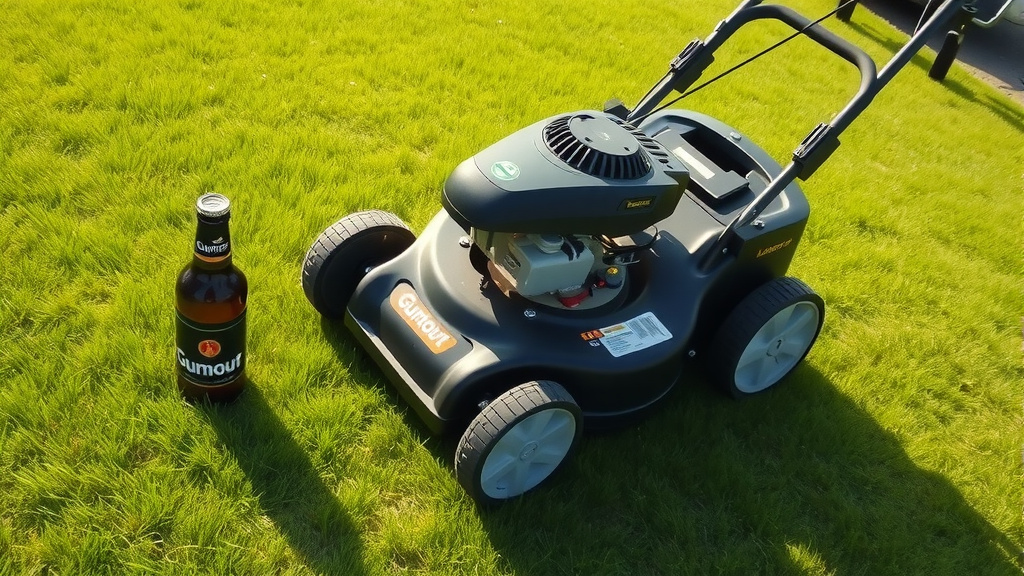
To use Gumout on your lawn mower, simply pour the recommended amount directly into your mower’s fuel tank, typically an ounce or two per gallon of fuel. This method helps clean the fuel system and carburetor as the engine runs.
For best results, always follow the specific dosing instructions on the Gumout product label, as concentrations can vary, and ensure your fuel tank has enough fuel for the cleaner to mix properly.
- Gumout, a fuel system cleaner, can help your lawn mower run smoother.
- You usually add it directly to your mower’s fuel tank with fresh gasoline.
- It works by dissolving deposits in the carburetor and fuel lines.
- Regular use can prevent common starting and running issues, especially with ethanol fuels.
How To Use Gumout On Lawn Mower?
Using Gumout in your lawn mower is generally straightforward: you add it to your fuel. It cleans the fuel system as your mower operates, tackling issues from old fuel or ethanol deposits.
What is Gumout, Really?
Think of Gumout as a special cleaning agent for your engine’s insides. It’s primarily a fuel system and carburetor cleaner. We found that it helps break down varnish and carbon deposits that build up over time.
For your lawn mower, these deposits can clog tiny fuel passages. Gumout aims to clear these blockages, allowing fuel to flow freely. This makes your engine perform much better.
Why Your Mower Might Need Gumout
Has your mower been acting a bit sluggish lately? Many experts say that problems like rough idling, stalling, or hard starting often point to a dirty fuel system. Ethanol in gasoline can be a major culprit, attracting water and leaving gummy residues.
Gumout can be a real game-changer for these issues. It helps clean out those sticky messes, giving your mower a new lease on life. It’s like giving your engine a fresh start.
Is Gumout Safe for All Mowers?
Generally, yes, Gumout is safe for most small engines found in lawn mowers. We found that it’s formulated to be compatible with typical engine components. Always a good idea to check your mower’s owner’s manual, just to be sure.
Some manuals might recommend specific types of fuel additives or advise against certain chemicals. For the most part, though, Gumout is a widely used and trusted product for small engines (Gumout Manufacturer Guidelines).
Getting Ready: What You Need
Before you add any cleaner, let’s gather a few things. You’ll need the Gumout product itself, of course. Also, have some fresh gasoline on hand. A measuring cup can be helpful if precise dosing is a concern.
Safety first! Consider wearing gloves and eye protection. It’s always smart when working with fuel and chemicals. You want to keep things neat and safe around your workspace.
Step-by-Step: Adding Gumout to Your Fuel Tank
Adding Gumout to your mower’s fuel tank is quite simple. First, make sure your mower is turned off and cool. Locate your fuel tank cap and remove it carefully.
Next, determine the correct dosage. The Gumout bottle will have instructions; typically, it’s about 1 ounce per gallon of fuel. Pour the recommended amount of Gumout directly into the fuel tank.
Now, add fresh gasoline to the tank, filling it to the recommended level. This helps mix the Gumout throughout the fuel. Replace the fuel cap securely, and you’re good to go. Start your mower and let it run for a while, allowing the mixture to work its magic.
When to Use Gumout: Frequency Matters
How often should you treat your mower with Gumout? Many experts suggest using it seasonally, perhaps at the start of your mowing season. This helps clear out any buildup from winter storage.
You can also use it periodically, maybe every few months, especially if you notice performance dips. If your mower sits idle for long periods, using Gumout with a fuel stabilizer before storage is a smart move. It keeps the fuel system clean and ready (Small Engine Repair Manuals).
Beyond the Tank: Cleaning the Carburetor Directly
Sometimes, simply adding Gumout to the fuel tank isn’t enough. If your mower has severe starting issues or persistent rough running, you might need to clean the carburetor directly. This is a more hands-on approach.
You’ll use a spray-on Gumout carburetor cleaner for this. With the engine off and cool, remove the air filter assembly to expose the carburetor throat. Then, you can carefully spray the cleaner into the carburetor while the engine is running or even with the engine off to soak stubborn deposits.
Here’s a quick comparison of the two methods:
| Method | Difficulty | Effectiveness | Typical Scenario |
|---|---|---|---|
| Fuel Tank Additive | Easy | Preventative/Mild issues | Regular maintenance, slight rough running |
| Direct Carburetor Spray | Moderate | Corrective/Severe issues | Hard starting, stalling, significant performance loss |
Signs Gumout is Working (or Not!)
How do you know if your Gumout treatment is doing its job? You’ll likely notice a few positive changes. Your mower might start more easily, idle smoother, and feel like it has more power. Many people report a noticeable difference after one or two uses.
If you don’t see any improvement after a couple of treatments, it might indicate a different issue. The problem could be mechanical, such as a clogged fuel filter, worn spark plug, or another component. Gumout helps with fuel system deposits, but it’s not a magic fix for everything.
Tips for a Healthier Fuel System
A little care goes a long way for your mower’s fuel system. Always use fresh gasoline; old fuel can degrade quickly and cause issues. Many experts recommend adding a fuel stabilizer, especially if your mower sits for more than a few weeks.
When storing your mower for the off-season, either run the fuel tank dry or treat the fuel with a stabilizer. This prevents the gummy buildup that Gumout later needs to clean. A healthy fuel system means a happy mower.
Fuel System Health Checklist
- Always use fresh gasoline (within 30 days).
- Add a fuel stabilizer for storage or infrequent use.
- Regularly check and replace your fuel filter.
- Store fuel in a clean, sealed container.
- Consider draining fuel for long-term storage.
Common Mistakes to Avoid
While Gumout is helpful, avoid a few common pitfalls. Don’t think more is better; overdosing can sometimes be counterproductive. Stick to the label’s recommendations for the correct amount.
Another mistake is ignoring other potential problems. Gumout can’t fix a worn spark plug or a dirty air filter. Always address these basic maintenance items too. Finally, don’t expect instant miracles; sometimes it takes a bit of run time for the cleaner to fully work its way through the system.
When to Call a Professional
Sometimes, despite your best efforts, a mower simply won’t cooperate. If you’ve tried Gumout, changed the spark plug, and cleaned the air filter but still have problems, it might be time for a pro. Persistent hard starting, major engine noise, or smoke are all signs to seek expert help.
Lawn mower mechanics have specialized tools and diagnostic skills. They can identify complex mechanical issues that a simple fuel additive cannot address. It’s okay to know when to hand it over to someone with more experience.
Conclusion
Using Gumout on your lawn mower can be a simple, effective way to keep its fuel system running smoothly. By understanding how and when to apply it, you’re taking a proactive step to extend your mower’s life and improve its performance. Remember to follow the instructions, be patient, and always prioritize safety. With a little care, your mower will keep your lawn looking fantastic, season after season.
Can I use Gumout in a two-stroke lawn mower engine?
Yes, you can use Gumout in most two-stroke lawn mower engines. Many Gumout products are formulated to be safe for both two-stroke and four-stroke engines. Just ensure you mix it with your gasoline at the recommended ratio before adding the mixed fuel to your mower’s tank.
How long does it take for Gumout to work in a lawn mower?
You might notice improvements within 15-30 minutes of running the engine after adding Gumout, especially for mild issues. For more stubborn deposits, it may take a few mowing sessions for the cleaner to fully work its way through the system and break down all the buildup.
Can Gumout fix a completely clogged carburetor?
While Gumout is excellent for preventing clogs and cleaning minor to moderate deposits, it may not fix a carburetor that is completely or severely clogged. In such cases, a direct manual cleaning or even rebuilding the carburetor might be necessary to restore full functionality.
Should I use Gumout with every fill-up?
Using Gumout with every fill-up is generally not necessary for most home lawn mowers. Seasonal use, or every few months, is typically sufficient for maintenance. Overuse won’t necessarily harm your engine, but it’s an added expense without much additional benefit beyond the recommended frequency.
What if my lawn mower still runs poorly after using Gumout?
If your lawn mower still runs poorly after using Gumout, the problem likely isn’t just fuel system deposits. You should check other common maintenance items like the spark plug, air filter, fuel filter, and oil level. If issues persist, it’s wise to consult a small engine mechanic to diagnose deeper mechanical problems.
