
How To Use Lawn Mower Bag?
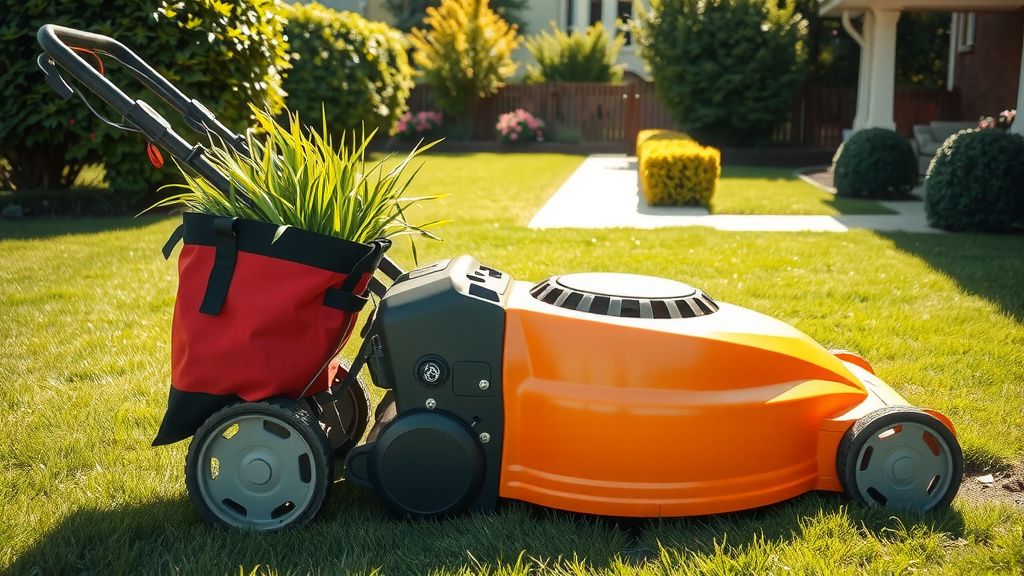
To use a lawn mower bag, simply attach it securely to your mower’s discharge chute, ensuring it clicks into place.
As you mow, the bag collects grass clippings, which you can then empty into a compost pile or trash bin when full.
- Attach the lawn mower bag firmly to your mower.
- Mow your lawn normally, allowing the bag to collect all clippings.
- Keep an eye on the bag’s fullness and empty it often.
- Properly dispose of clippings to maintain a tidy and healthy lawn.
- Remember to clean the bag frequently for the best cutting performance.
You’ve got a lawn mower, and maybe you’ve even been mulching your clippings back into the yard. But what happens when the grass gets too long, or you want a really clean finish? That’s when your lawn mower bag becomes your best friend for a pristine lawn. It sounds simple, right? Yet, there are a few clever tricks to make bagging grass clippings a breeze.
We’re here to guide you through every step, from attaching the bag to knowing when to empty it. Think of this as your go-to manual for hassle-free bagging. We’ll make sure you get the most out of your mower, keeping your yard looking its absolute best.
How To Use Lawn Mower Bag?
Using a lawn mower bag involves attaching it correctly to your mower’s discharge chute and emptying it once full. This simple process helps keep your lawn tidy by collecting all cut grass.
Why Bag Your Clippings?
Bagging your clippings isn’t just about neatness; it offers some real benefits. When your grass is very long, bagging prevents clumps that can smother your lawn. It’s also a great way to remove weeds before they spread their seeds. Plus, for those who love a pristine, golf-course-like look, bagging delivers that crisp finish.
Many lawn care experts suggest bagging when the grass is tall or when you’ve had a lot of rainfall. This helps avoid leaving behind unsightly and damaging clumps of wet grass. It keeps your lawn breathing and looking its best.
Understanding Your Mower’s Bagging System
Most push mowers and riding mowers have a bagging option. This usually involves a fabric bag or a hard plastic catcher that attaches to the mower’s rear or side discharge chute. Knowing how your specific model works will make the process smoother.
Some mowers might require a special blade for optimal bagging. These “high-lift” blades create more airflow to propel clippings into the bag. Checking your mower’s manual will tell you if you need any specific accessories for bagging. We found that most modern mowers are designed to bag quite effectively with standard blades too.
Getting Ready: Pre-Mowing Checklist
Before you even think about starting your mower, a quick check can save you time and frustration. Is your gas tank full? Is the oil level correct? These small checks ensure a smooth start to your yard work.
Also, take a moment to clear your lawn of any sticks, toys, or rocks. A stray object can damage your blade, or worse, be flung out by the mower. This simple habit keeps both your equipment and you safe from harm.
Safety First, Always!
Lawn mowing can be relaxing, but it’s still operating machinery. Always wear appropriate footwear, like sturdy closed-toe shoes. Safety glasses are a must to protect your eyes from any flying debris. Your well-being is important.
Never place your hands or feet near the moving parts of the mower, especially the blades. Always turn off the engine and remove the spark plug wire before performing any maintenance. These simple rules help prevent avoidable accidents.
Step-by-Step: Attaching the Mower Bag
Attaching the bag is typically straightforward. First, ensure your mower is completely off and cooled down. Locate the discharge chute, usually at the rear or side of the mower deck. This is where the magic happens.
Line up the bag’s opening with the chute’s attachment points. Many bags have hooks or clips that securely lock into place. You might hear a “click” or feel it snap into position, indicating a proper and tight connection. If your mower has a spring-loaded door over the chute, lift that up first.
Checking for a Secure Fit
Once attached, gently tug on the bag to confirm it won’t fall off during operation. A loose bag can spill clippings or even detach completely, creating a mess. A snug fit is important for efficient bagging.
Check for any gaps between the bag and the mower deck. Gaps can let grass escape, meaning you won’t collect as much. Making sure everything is sealed helps direct all the clippings straight into your bag.
Mowing With the Bag On: What to Expect
With the bag attached, you can mow as you normally would. You’ll notice the mower feels a bit heavier, especially as the bag fills. Adjust your speed to ensure the mower doesn’t struggle. A steady pace is key.
Listen to your mower. If it sounds like it’s working harder than usual, the bag might be getting full, or the grass might be too thick. Don’t push it; let the machine do its work comfortably. Many experts recommend cutting no more than one-third of the grass blade at a time for optimal lawn health.
When to Empty the Bag
This is where intuition comes in. Most bags have an indicator window, but if not, you’ll feel the change in mower performance. The mower will bog down, or leave behind a trail of clippings, showing the bag is full. Don’t let it overflow.
It’s better to empty the bag a little early than to let it get overly stuffed. An overstuffed bag makes the mower work harder and can reduce its efficiency. Plus, a lighter bag is easier for you to handle and empty safely.
- Mower starts to bog down or struggle.
- You notice a trail of grass clippings appearing.
- The bag looks visibly full or bulging.
- The collection indicator (if present) signals it’s full.
- Before starting a new section of the lawn.
Proper Disposal of Grass Clippings
Once you’ve collected those clippings, what next? You have a few eco-friendly options. The best choice often depends on your local regulations and your own gardening habits. Think green, literally.
Always check with your local waste management services for their specific guidelines. Some areas prefer composting, while others might allow bagged clippings for curbside pickup. Knowing the rules helps you dispose of waste responsibly (EPA guidelines).
Composting Your Grass
Grass clippings are fantastic for composting. They’re rich in nitrogen, which helps break down other organic materials quickly. Mix them with “brown” materials like leaves or shredded paper for a balanced compost pile. Your garden will thank you.
Spread thin layers of clippings to prevent them from becoming a dense, smelly mat. Turning your compost pile regularly helps aeration and speeds up decomposition. This creates nutrient-rich soil for your garden beds, a truly circular approach.
Disposing of Clippings Safely
If composting isn’t an option, bag your clippings in approved yard waste bags. These are often made from biodegradable paper, making them easy for waste facilities to process. Many experts suggest using these environmentally friendly options.
Avoid dumping clippings into storm drains or natural waterways. This can clog drainage systems and introduce excess nutrients, harming aquatic ecosystems. Proper disposal protects both your property and the wider environment around you.
Cleaning and Maintaining Your Lawn Mower Bag
After each use, give your bag a good shake to remove any lingering grass. For a deeper clean, especially if you’ve mowed wet grass, hose it down with water. This prevents mold and mildew from growing. A clean bag performs better.
Let the bag air dry completely before storing it. A damp bag can develop unpleasant odors and deteriorate faster. This small step helps extend the life of your bag and keeps it ready for your next lawn care adventure.
Seasonal Bag Storage Tips
When the mowing season ends, make sure your bag is clean and dry. Store it in a shed or garage, away from direct sunlight and extreme temperatures. This protects the fabric from weakening. Proper storage extends its life.
Consider storing it in a container or plastic bag to prevent dust and pests from settling in. A little care at the end of the season ensures your bag is in top shape for spring. It’s like putting your garden to bed for winter.
Common Bagging Problems and Solutions
Sometimes, even with the best intentions, bagging can present challenges. Perhaps the bag isn’t filling properly, or clippings are escaping. Don’t worry, many common issues have simple fixes. Troubleshooting is part of the game.
We found that most problems stem from an improperly attached bag or a need for a good cleaning. A dull blade can also contribute to poor bagging performance. Regular maintenance often solves many headaches before they start.
Troubleshooting Bagging Issues
| Problem | Possible Cause | Quick Fix |
|---|---|---|
| Bag not filling | Bag is loose or blocked chute | Check attachment, clear chute |
| Clippings escaping | Gaps in attachment or torn bag | Ensure tight fit, inspect for damage |
| Mower struggling | Bag too full or dull blade | Empty bag, sharpen or replace blade |
| Wet grass clumps | Mowing damp lawn | Wait for grass to dry completely |
If your mower is leaving clumps of grass even with the bag attached, you might be mowing grass that’s too wet. Wet grass is heavier and sticks together, making it harder for the mower to propel into the bag. Patience is a virtue here.
Another common culprit for poor bagging is a dull blade. A sharp blade cleanly cuts grass and creates the airflow needed to lift clippings. A dull blade tears the grass and can’t generate enough force to fill the bag properly. Blade sharpness matters a lot.
Conclusion
Using a lawn mower bag effectively transforms your lawn care routine. You gain a clean, neat yard, and you get to manage your grass clippings responsibly. From attaching the bag to knowing when and how to empty it, you’re now equipped with the knowledge for success.
Remember, a little preparation and proper maintenance go a long way in achieving that pristine look. Your lawn is more than just grass; it’s an extension of your home. Taking these steps helps ensure it always looks its absolute best. Happy mowing to you!
How often should I clean my lawn mower bag?
You should clean your lawn mower bag after every few uses, or immediately if you’ve mowed wet grass. A quick shake to remove debris is good, but a hose-down ensures no mold or mildew builds up, which keeps the bag from developing bad smells and helps it last longer.
Can I use a lawn mower bag for wet grass?
While you can, it’s generally not recommended. Wet grass is heavy, clogs the chute easily, and makes the bag harder to fill efficiently. It’s best to wait until your lawn is completely dry for the best bagging results and to prevent mower strain.
What if my lawn mower doesn’t come with a bag?
Many mowers are sold without bags, especially if they’re designed primarily for mulching. You might be able to purchase a bagging attachment kit separately from the mower manufacturer or a third-party supplier. Check your mower’s model number and search for compatible accessories.
Is bagging better than mulching?
Neither is inherently “better”; they serve different purposes. Bagging is great for removing tall grass, preventing clumps, or collecting leaves. Mulching returns nutrients to the lawn, which is excellent for lawn health if done regularly with shorter clippings. The best choice depends on your lawn’s current condition and your goals.
How do I know what size bag fits my mower?
The best way to determine the correct bag size is to consult your mower’s owner’s manual. It will specify the exact part number or dimensions needed for a compatible bag. If you don’t have the manual, look for your mower’s model number (usually on a sticker on the deck) and search online for parts for that specific model.
