
How To Use Lawn Mower Without Bag?
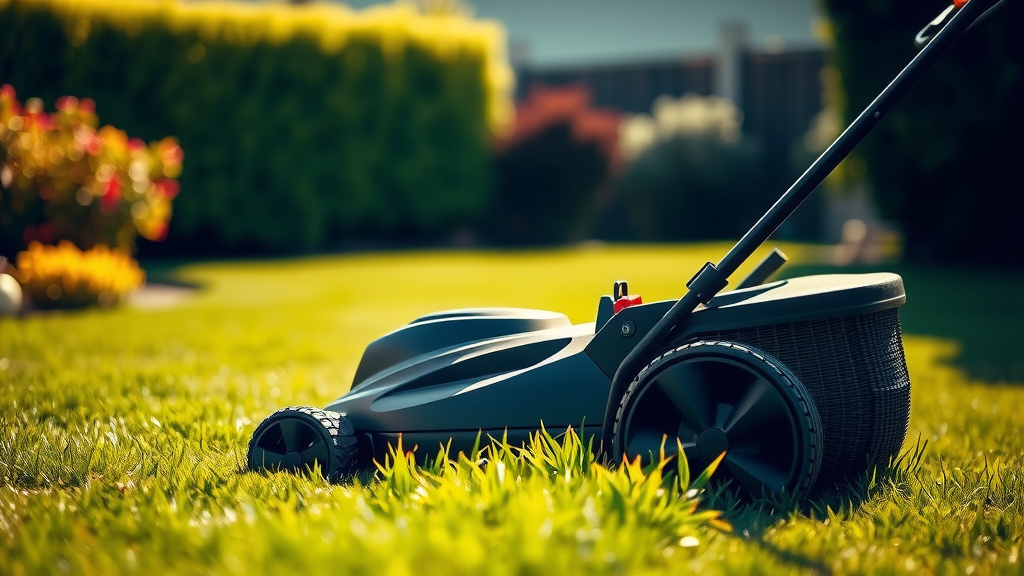
You can effectively use a lawn mower without a bag by either engaging its mulching feature, which finely chops grass clippings and returns them to the lawn, or by utilizing the side discharge chute to spread them evenly across the turf.
This method naturally fertilizes your lawn, saves you time emptying bags, and significantly contributes to maintaining a healthier, greener yard.
Here’s the short and sweet on mowing without a bag:
- Mulch your grass to feed your lawn vital nutrients.
- Use the side discharge for taller grass or quicker cuts.
- Always cut dry grass to prevent unsightly clumping.
- Mow more often, following the simple one-third rule.
- Enjoy a healthier lawn, save time, and reduce waste!
How To Use Lawn Mower Without Bag?
Using your lawn mower without a bag means letting the grass clippings return to your lawn, either by finely chopping them as mulch or by discharging them from the side. This simple act can transform your lawn care routine.
Embrace the Mulching Advantage
Think of mulching as giving your lawn a nutrient-rich snack. Most modern mowers offer a mulching option. When you engage it, the blade design and deck shape work together to circulate and chop the grass into tiny pieces.
What is Mulching?
Mulching is simply cutting grass into very small pieces and letting them fall back into the lawn. These tiny clippings decompose quickly, releasing valuable nitrogen, potassium, and phosphorus back into the soil (University of California Agriculture and Natural Resources).
How to Mulch Effectively
For best mulching, ensure your grass isn’t too long. Aim to cut only the top one-third of the grass blade. You’ll notice the small clippings disappear almost instantly after cutting, nourishing your lawn invisibly.
The Side Discharge Option
Sometimes, mulching isn’t the best choice, especially if your grass has grown a bit too tall. That’s where the side discharge comes in handy. It’s like a quick way to get the job done when you need to remove more bulk.
When to Use Side Discharge
If your lawn is overgrown, or if the grass is damp, side discharge prevents your mower from bogging down. It simply ejects the clippings out the side, laying them in rows on your lawn.
Managing Side Discharge Clippings
After using side discharge, you might want to rake up the larger clumps. Or, you could do a second pass with the mower set to mulch, further breaking down the discharged clippings. Many experts say this dual approach works wonders for very tall grass.
Why Go Bagless? The Benefits Are Clear
Mowing without a bag isn’t just about convenience; it’s a smart choice for your lawn’s long-term health. We found that this method offers multiple advantages over traditional bagging.
Natural Fertilization at Its Best
When you mulch, those tiny grass clippings are packed with nutrients. They act as a slow-release fertilizer, meaning you might even reduce your need for commercial products. It’s like nature’s own recycling program for your yard.
Save Time and Effort
Imagine never stopping to empty a heavy grass bag again. This simple change saves significant time during each mow. You can just keep going, finishing faster and enjoying your free time sooner.
Reduce Landfill Waste
Piling up grass clippings for disposal creates unnecessary waste. By going bagless, you contribute to a greener planet. Many communities encourage or even require mulching to cut down on yard waste.
Tips for Bagless Mowing Success
To get the best results when not bagging, a few simple practices will make all the difference. Think of these as your golden rules for a pristine, healthy lawn.
- Cut High: Set your mower deck higher. Longer grass blades shade the soil, keeping it cooler and helping retain moisture.
- The One-Third Rule: Never remove more than one-third of the grass blade’s total height in a single cut. This prevents stressing the grass.
- Mow Dry: Always mow when the grass is dry. Wet clippings clump, clog your mower, and can smother your lawn.
- Sharp Blades Are Key: A sharp blade cuts cleanly. Dull blades tear the grass, making it susceptible to disease and giving your lawn a ragged appearance.
- Overlap Your Passes: Slightly overlap each mowing pass. This ensures all areas are cut evenly and helps distribute clippings better.
- Vary Mowing Patterns: Don’t mow in the same direction every time. Varying your pattern prevents rutting and encourages grass to stand upright.
Dealing with Clumping
If you see clumps, it usually means you’re cutting too much grass at once or the grass is wet. Try raising your deck height or waiting for a drier day. A second pass over the clumpy areas often breaks them up effectively.
When Bagging Might Still Be Best
While bagless mowing is generally fantastic, there are times when it’s wise to use that bag. It’s all about knowing when to adapt your approach for your lawn’s benefit.
First Cut of the Season
After winter, grass can be extra thick and tall. For this first cut, bagging can help clear out all that bulk. Research often connects removing this initial heavy layer with better air circulation for the new growth (Oregon State University Extension Service).
Controlling Weeds and Diseases
If your lawn is battling a disease or full of weeds gone to seed, bagging helps remove the problem. You don’t want to spread those issues back into your healthy turf. Remove them entirely to protect your lawn.
Excessively Tall Grass
Sometimes, life happens, and the lawn gets away from you. If the grass is exceptionally tall, bagging prevents excessive amounts of clippings from smothering the healthy grass beneath. You can then resume bagless mowing on subsequent cuts.
Mower Maintenance for Bagless Living
Keeping your mower in top shape is crucial, especially when you’re mulching. A well-maintained machine works more efficiently and keeps your lawn healthier.
Clean Your Mower Deck Regularly
Clippings can build up under the deck, reducing airflow and mulching effectiveness. After each use, or at least every few mows, scrape off any accumulated grass. We found this prevents rust and ensures optimal performance.
Check and Sharpen Blades
Dull blades shred grass, making it look brown at the tips. Regularly inspect your blades for sharpness and nicks. Sharpening them a few times a season keeps your cuts clean and your lawn vibrant.
Mulching vs. Side Discharge: A Quick Comparison
Choosing between mulching and side discharge depends on your lawn’s condition and your goals. Here’s a quick overview to help you decide in the moment.
| Feature | Mulching | Side Discharge |
|---|---|---|
| Grass Height | Ideal for regular cuts (1/3 rule) | Better for taller, overgrown grass |
| Nutrient Return | High (finely chopped, rapid breakdown) | Moderate (larger pieces, slower breakdown) |
| Appearance After Mowing | Clippings are almost invisible | May leave visible rows of clippings |
| Mower Strain | Higher (more work for engine) | Lower (less work for engine) |
| When to Use | Regular maintenance, dry conditions | Overgrown grass, damp conditions |
Your Bagless Mowing Checklist
Before you even start your engine, run through this quick checklist to ensure a smooth, effective bagless mow. It takes just a minute, but makes a big difference.
- Is the grass dry?
- Are your mower blades sharp?
- Is the deck height set correctly (high)?
- Is the mulching plug inserted or side discharge chute open?
- Have you removed any obstacles from the lawn?
- Do you have enough fuel for the entire mow?
Conclusion
Using your lawn mower without a bag is more than just a convenience; it’s a smart and sustainable way to care for your lawn. By either mulching or side discharging, you provide your grass with natural nutrients, save precious time, and contribute to a healthier environment. Embrace these methods, and you’ll likely see a more vibrant, resilient lawn that practically feeds itself. Happy mowing!
Can I use a regular lawn mower for mulching without a special kit?
Many regular lawn mowers can mulch without a specific kit, especially if they have a mulching blade. However, adding a mulching plug or baffle and a dedicated mulching blade can significantly improve the fineness of the clippings, making the process more effective.
Will not bagging grass clippings create thatch in my lawn?
No, finely mulched grass clippings do not contribute to thatch buildup. Thatch is primarily made of stems and roots, not easily decomposable grass blades. When clippings are small, they decompose quickly, adding beneficial organic matter to the soil.
How often should I mow if I’m not bagging?
When not bagging, you might find yourself mowing slightly more often, typically once or twice a week during peak growing season. This helps ensure you only cut off the top one-third of the grass blade, which is ideal for mulching and overall lawn health.
What should I do if my lawn mower clogs when I try to mulch without a bag?
If your mower clogs, it’s usually because the grass is too tall or too wet. Try raising your mower deck to cut less grass at once, or wait for the lawn to dry out. Also, ensure your blade is sharp and the deck underside is clean to allow for proper airflow and discharge.
Is it better to mulch or side discharge for very tall grass?
For very tall or overgrown grass, side discharging is generally better than mulching. Mulching excessively tall grass can bog down your mower and create large clumps that smother the lawn. With side discharge, you remove the bulk more easily, then can follow up with a mulching pass once the grass is shorter.
