
How To Use Seafoam In Lawn Mower?
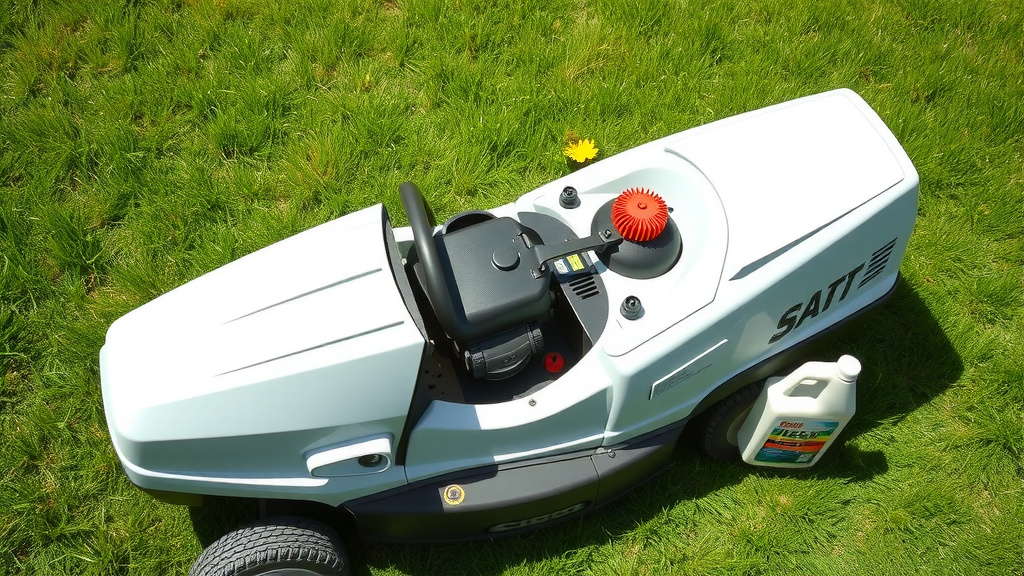
To use Seafoam in your lawn mower, you generally add it directly to the fuel tank or, for a deeper clean, spray it into the carburetor while the engine is running.
The amount of Seafoam to use depends on your goal, whether it’s for routine maintenance, a deep clean, or fuel stabilization.
Here’s a quick rundown of what you’ll learn in this guide:
- Discover the primary reasons to use Seafoam in your mower’s fuel system.
- Learn the correct ratios for adding Seafoam for maintenance, cleaning, and storage.
- Understand how to apply Seafoam both to the fuel tank and directly to the carburetor.
- Get essential tips for running your mower after treatment and for long-term storage.
- Find out common mistakes to avoid for best results and mower longevity.
How To Use Seafoam In Lawn Mower?
You use Seafoam by mixing it with your gasoline or applying it directly into the carburetor to keep your engine running smoothly and prevent common fuel system issues.
Why Bother with Seafoam for Your Lawn Mower?
Have you ever noticed your lawn mower sputtering or struggling to start? It’s often because of fuel system gunk. We found that stale fuel and carbon deposits can clog vital parts, making your mower less efficient.
Seafoam acts like a spa day for your engine. Many experts say it helps clean these deposits, leading to a smoother running engine (Seafoam Official Guidelines). Think of it as a detox for your fuel system, keeping everything clear and happy.
What Exactly is Seafoam?
Seafoam is a well-known fuel additive designed to clean and lubricate your engine’s fuel system. It’s a petroleum-based product that mixes easily with gasoline and diesel fuels.
Research shows it works to dissolve carbon, gum, and varnish deposits that build up over time. It’s essentially a cleaner and a fuel stabilizer all in one bottle.
When is the Right Time to Use Seafoam?
There are a few key times when Seafoam becomes your mower’s best friend. You might use it for routine maintenance to prevent problems, especially if you mow frequently.
It’s also ideal if your mower shows signs of hesitation or rough idling. We found it’s particularly important for seasonal storage, helping to keep fuel fresh and preventing engine damage from stale gas.
Routine Maintenance Applications
For everyday use, adding a small amount of Seafoam with each fill-up can be beneficial. It helps keep injectors and carburetors clean, ensuring consistent engine performance.
This proactive approach can save you from bigger problems down the road. Just a little bit goes a long way in preventing build-up.
Addressing Performance Issues
If your mower is already running rough, Seafoam can help. Many users report improved starting and smoother operation after a treatment. It’s often a first-line solution before resorting to more complex repairs.
A sputtering engine might just need a good internal cleaning. It’s like giving your engine a refresh button.
Preparing for Storage
This is perhaps one of the most popular uses for Seafoam in lawn mowers. Adding it to the fuel tank before storing your mower for the winter stabilizes the fuel. This prevents it from breaking down and creating gummy residues.
You want your mower to start easily next spring, right? Seafoam helps ensure your fuel stays fresh during those long off-seasons.
Understanding Seafoam Ratios and Amounts
Getting the right amount is key. Too little might not do the job, and too much is generally wasteful, though it typically won’t harm your engine. We often find people wondering about exact measurements.
The instructions on the bottle are always your best guide, but here are some common applications we’ve researched:
| Purpose | Seafoam Amount per Gallon | Notes |
|---|---|---|
| Routine Maintenance | 1 oz per gallon | For ongoing cleanliness. |
| Deep Cleaning | 2 oz per gallon | To address existing performance issues. |
| Fuel Stabilization | 1 oz per gallon | Before long-term storage. |
Adding Seafoam to Your Fuel Tank: The Simple Way
This is the most common and easiest method. Simply pour the recommended amount into your gas can or directly into your mower’s fuel tank before adding gas. Mix it thoroughly by gently rocking the gas can.
This ensures the Seafoam is well distributed throughout the fuel. It’s as simple as filling your tank.
Direct Carburetor Treatment: For Deeper Cleaning
For stubborn clogs or significant performance issues, you might opt for a direct carburetor application. This is a bit more involved but can yield faster, more noticeable results. It targets deposits directly.
This method requires a little more care and attention. Are you ready to get a little hands-on?
Steps for Direct Carburetor Application:
- Start your mower and let it warm up for a few minutes.
- Locate the carburetor and remove the air filter housing.
- With the engine running, slowly spray Seafoam directly into the carburetor throat.
- As you spray, the engine might stumble or try to die. Don’t worry, this is normal.
- Spray in short bursts until about one-third of the can is used, or until you see smoke.
- Immediately shut off the engine and let it sit for about 5-10 minutes. This allows the Seafoam to soak and dissolve deposits.
- Restart the mower and run it at high RPMs for several minutes. Expect some smoke as the deposits burn off.
Running Your Mower After Seafoam Treatment
After adding Seafoam to the fuel tank, simply run your mower as usual. The cleaning action happens as the treated fuel flows through the system. We often recommend running it for at least 15-30 minutes.
If you did a direct carburetor treatment, expect some smoke from the exhaust as carbon burns off. This is a good sign the cleaner is working!
Key Safety Precautions with Seafoam
While Seafoam is generally safe to use, it’s essential to practice caution. Always work in a well-ventilated area to avoid inhaling fumes.
Wear eye protection and gloves to prevent skin and eye contact. Treat Seafoam like any other fuel product – keep it away from open flames and out of reach of children (EPA guidelines for fuel additives).
Common Mistakes to Avoid
You don’t want to make things worse, right? Here are a few common missteps we’ve found people make:
- Overdosing: Using too much doesn’t necessarily clean better and can be wasteful.
- Ignoring Safety: Forgetting ventilation or eye protection is risky.
- Expecting Miracles: Seafoam cleans, but it can’t fix mechanical failures or completely rebuild a carburetor.
- Skipping Storage Prep: Not using it for winter storage can lead to future headaches.
- Using Old Fuel: Seafoam helps stabilize, but it won’t magically restore very old, degraded fuel.
Your Seafoam Pre-Mow Checklist
Before you even think about starting your mower after a Seafoam treatment, run through this quick checklist:
- Fuel Level: Is there enough fresh, treated fuel in the tank?
- Air Filter: Is it clean? A dirty filter restricts airflow, impacting performance.
- Spark Plug: Is it clean and properly gapped?
- Oil Level: Check your oil; Seafoam doesn’t affect the oil, but it’s always good practice.
- Deck Cleanliness: Is the mowing deck free of old grass clippings?
Conclusion
Using Seafoam in your lawn mower is a straightforward way to keep its fuel system clean and protected. Whether you’re addressing a performance issue, doing routine maintenance, or preparing for winter, it offers a practical and effective solution.
By following the right ratios and application methods, you can help ensure your mower runs reliably season after season. Remember, a little preventative care with Seafoam can save you time and frustration later on. Your lawn, and your mower, will thank you!
How often should I use Seafoam in my lawn mower?
For routine maintenance, using 1 ounce per gallon with every 2-3 fill-ups is a good guideline. If you’re preparing for long-term storage, apply it once before putting the mower away for the season.
Can Seafoam damage my lawn mower engine?
No, when used according to directions, Seafoam is designed to be safe for small engines and will not damage internal components. It’s formulated to clean without being corrosive.
Do I need to drain the fuel tank after using Seafoam?
No, you do not need to drain the fuel tank. Seafoam is designed to be left in the fuel, especially for stabilization during storage. It mixes with the gasoline and works as the engine runs.
Will Seafoam fix a completely clogged carburetor?
Seafoam can help loosen and dissolve many clogs, especially if they are not too severe. However, for a completely gummed-up or severely damaged carburetor, a manual cleaning or rebuild might still be necessary.
Can I use Seafoam in other outdoor power equipment?
Yes, Seafoam is safe and effective for use in most gasoline and diesel-powered equipment, including weed trimmers, leaf blowers, chainsaws, generators, and even cars and boats. Always follow the product’s instructions for specific applications.
