
How To Winterize Honda Lawn Mower?
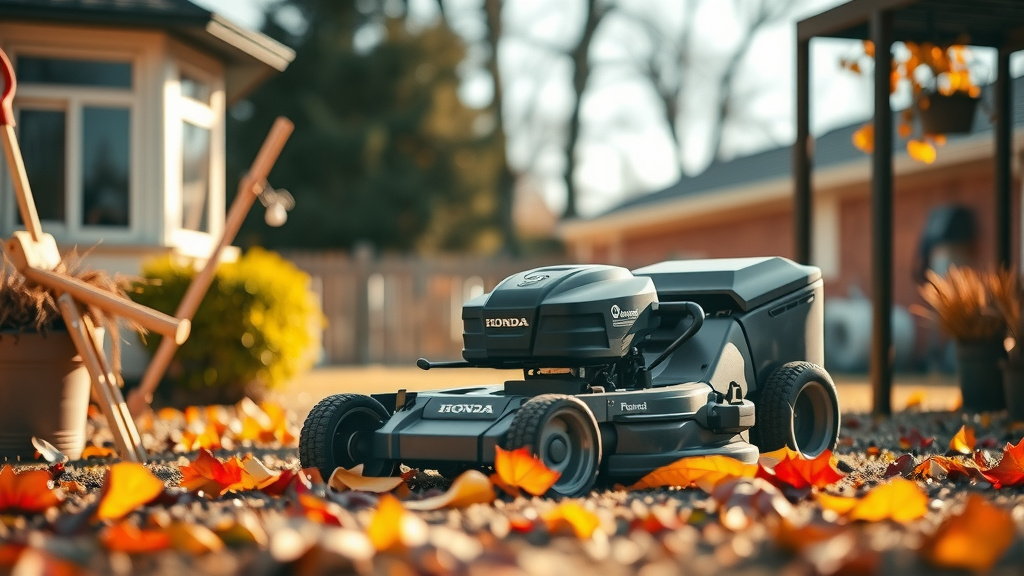
To winterize your Honda lawn mower, you generally need to stabilize its fuel, change the engine oil, inspect and clean the spark plug, and thoroughly clean the mower deck.
This crucial process protects your Honda lawn mower from corrosion and ensures it starts reliably and performs efficiently next spring.
- Add fuel stabilizer and run the engine to prevent stale gas issues.
- Change the engine oil to remove harmful contaminants that can cause corrosion.
- Clean or replace the air filter and spark plug for easier starting.
- Thoroughly clean the mower deck to prevent rust and caked-on grass.
- Store your mower in a dry, protected area away from extreme cold.
How To Winterize Honda Lawn Mower?
Winterizing your Honda lawn mower involves preparing its engine and components for extended storage, typically over the cold season. This essential care helps prevent damage and ensures reliable operation when spring arrives, keeping your machine running smoothly for years.
Why Winterizing Your Honda Lawn Mower Matters
You might wonder, “Is this yearly task really necessary?” We found that skipping winterization can lead to some significant problems. It helps avoid rust, engine damage, and issues with fuel lines later on (Briggs & Stratton Blog, a well-known industry resource).
Think of it like putting your car away for a long winter nap. You wouldn’t just park it and forget it, would you? Proper care now saves you effort and potential repair costs down the road.
Gather Your Gear: Essential Tools You’ll Need
Before you dive in, let’s get everything organized. You’ll want fresh motor oil, a new oil filter if your model uses one, fuel stabilizer, and a spark plug wrench. Don’t forget safety glasses and gloves – **safety always comes first**!
Having all your tools ready prevents frustrating pauses. Many experts say a little preparation makes any task much easier (Popular Mechanics).
Fueling Up for Storage: Stabilize or Drain?
This step is particularly important. Gasoline can go stale, leading to gummy deposits in your carburetor. We found two main paths to prevent this: you can either stabilize the fuel or drain it completely.
For most Honda mowers, adding a fuel stabilizer is simpler. Run the engine for a few minutes after adding it to circulate the treated fuel. This protects the fuel system over months (Honda Power Equipment Manuals).
Some people prefer draining the fuel tank entirely. If you choose this, run the engine until it stops from lack of fuel. While effective, this method can sometimes lead to dry seals, so consider your preference.
A Fresh Start: Changing the Engine Oil
Old engine oil contains contaminants and acids that can damage internal parts during storage. Changing the oil before winter is like giving your engine a fresh coat of armor against corrosion.
Ensure the engine is slightly warm for easy draining. Always follow your Honda manual for the correct oil type and fill level. Most Honda mowers use SAE 10W-30 motor oil for general use.
Spark of Life: Inspecting the Spark Plug
A healthy spark plug is key for an easy start next spring. Carefully remove the spark plug using a spark plug wrench. Take a moment to inspect it for any carbon buildup or damage.
Clean it with a wire brush, or if it looks worn, consider replacing it with a new one. Many experts say replacing it annually helps maintain peak engine performance (NGK Spark Plugs Technical Guides).
Remember to reconnect the spark plug wire firmly after cleaning or replacing. A tiny dab of anti-seize compound on the threads can also help for removal next time.
Breathe Easy: Air Filter Check and Care
Your air filter plays a vital role in keeping dirt and debris out of the engine. A clogged filter restricts airflow, forcing your mower to work much harder. Always check your filter for dirt and clogs.
If it’s a paper filter, it’s best to replace it. If it’s a foam filter, you might be able to wash and re-oil it following your Honda manual’s instructions. A clean filter helps your engine run more efficiently.
Blade Runner: Sharpening and Cleaning
Dull blades don’t cut; they tear grass, leaving your lawn vulnerable to disease. Winter is the perfect time for this maintenance. Carefully remove the blade, being mindful that it will be sharp.
Inspect it for bends, nicks, or cracks. Sharpen the blade or replace it if it’s damaged. A well-balanced blade also prevents excessive vibration and extends your mower’s lifespan.
Sparkling Clean: Deck and Underbody Care
Grass clippings and dirt can cake onto the underside of your mower deck, trapping moisture and causing rust. Scrape off all debris with a putty knife or a stiff brush.
After scraping, wash the deck thoroughly. Many homeowners even apply a light coat of WD-40 or silicone spray to the undercarriage for **extra rust protection**. This simple step prevents major issues and preserves your mower.
Battery Boost: For Electric Start Models
If your Honda has an electric start, its battery needs some attention too. Remove the battery and clean the terminals to prevent corrosion. Store it in a cool, dry place where it won’t freeze.
Many experts recommend using a trickle charger to maintain its charge over winter (AAA Automotive Guides). This prevents deep discharge and significantly extends the battery’s lifespan.
Finding Its Winter Home: Optimal Storage Tips
Where you store your mower really makes a difference. Choose a dry, sheltered location like a garage or a shed. Try to avoid areas with extreme temperature fluctuations or high humidity, as these can promote rust.
Consider placing a tarp over it to keep dust off. This simple act keeps your mower clean and ready for action come spring. Ensure it’s not exposed to freezing rain or snow directly.
A Quick Winterization Checklist for Your Honda
- Add fuel stabilizer and run the engine for a few minutes.
- Change the engine oil to fresh, clean lubricant.
- Inspect and clean or replace the spark plug.
- Clean or replace the air filter for optimal airflow.
- Remove, clean, sharpen, and balance the mower blade.
- Scrape and thoroughly wash the underside of the mower deck.
- Remove and charge the battery (if your model has an electric start).
- Store your Honda mower in a dry, protected, and stable environment.
Key Winterization Steps and Benefits
| Winterization Area | Why It Helps You | Impact on Mower |
|---|---|---|
| Fuel System Prep | Prevents gumming, avoids costly carburetor repairs. | Ensures easy starting, extends engine life. |
| Oil Change | Removes harmful acids and contaminants before storage. | Protects internal engine components from wear. |
| Deck Cleaning | Stops rust, prevents trapped moisture and mildew. | Maintains structural integrity, avoids early replacement. |
| Blade Sharpening | Ready for clean cuts next season, reduces lawn stress. | Reduces engine strain, improves overall cutting quality. |
Common Winterization Mistakes to Avoid
We’ve covered what to do, but what about what not to do? A common mistake we found is leaving old, untreated fuel in the tank. This often leads to expensive carburetor repairs next season.
Another slip-up is storing the mower in a damp, unventilated space. This invites rust and mildew to thrive. Many experts caution against rushing the process and skipping steps (Consumer Reports).
Why Regular Maintenance Pays Off
When you think about your Honda lawn mower’s overall health, routine checks are incredibly important. It’s not just about winter; it’s about taking a consistent, year-round approach to its care.
We found that consistent maintenance significantly extends the **lifespan of your equipment**. It also ensures your mower operates at peak efficiency, saving you time and effort when you need it most.
Conclusion
Taking the time to winterize your Honda lawn mower is more than just a chore; it’s an investment in its longevity and performance. By following these straightforward steps, you prevent common issues like rust and fuel system clogs. Your effort now ensures your mower is ready to tackle spring tasks with ease, giving you peace of mind and a beautifully manicured lawn season after season.
What is the best type of fuel stabilizer for a Honda lawn mower?
Many experts recommend using a fuel stabilizer specifically designed for small engines, such as STA-BIL or Sea Foam. Always choose a product that protects against ethanol damage and prevents gum formation, following the manufacturer’s instructions for mixing ratio.
How often should I change the spark plug in my Honda lawn mower?
For optimal performance and easy starting, it’s generally recommended to inspect and clean your spark plug annually. Most experts suggest replacing it every 1-2 years, or more frequently if you notice starting issues or reduced engine power.
Can I store my Honda lawn mower outdoors if it’s covered?
While covering your mower offers some protection, storing it outdoors is generally not recommended. Extreme temperature fluctuations, high humidity, and persistent moisture can still lead to rust and damage over time, even with a cover. A dry, sheltered location is always best.
Do all Honda lawn mowers require the same type of engine oil?
Most Honda lawn mowers typically use SAE 10W-30 motor oil, especially during moderate temperatures. However, specific models or operating conditions (like extremely cold weather) might require a different viscosity. Always consult your Honda owner’s manual for the exact oil specifications for your model.
What should I do if my mower won’t start after winter storage?
If your mower won’t start after winter, first check for fresh fuel and ensure the spark plug is clean and correctly gapped. A clogged air filter or a dirty carburetor (from untreated fuel) are also common culprits. If these basic checks don’t resolve the issue, it might be time to consult a service professional.
